

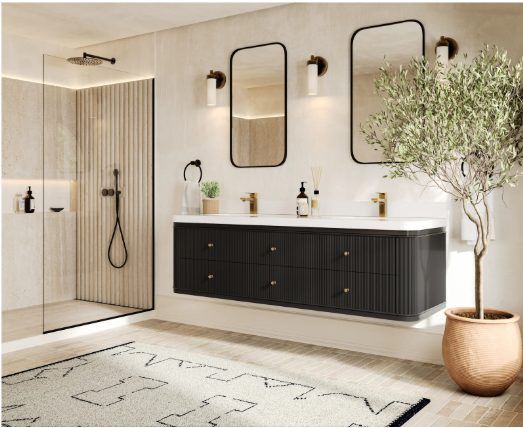
Wall-mounted bathroom cabinets have become a staple of modern bathroom design. They create an illusion of space, simplify cleaning, and allow under-cabinet storage. However, one question puzzles most homeowners and even some contractors: how high should a floating vanity be off the floor? The answer depends on user stature, bathroom layout, and local plumbing codes. This guide covers standard measurements, ergonomic recommendations, and common mistakes.
What Is the Correct Height?
The height of floating vanity refers to the vertical distance between the finished floor and the bottom edge – or sometimes the top – of the wall-mounted cabinet. Unlike freestanding models that sit on the floor, hanging vanity height is measured from the floor up to the underside of the unit. This measurement determines knee clearance and the overall visual proportion of the bathroom. Understanding this basic definition is the first step.
For homeowners seeking ready-to-mount solutions with documented specifications, Willow Bath and Vanity offers wall-mounted units from solid, environmentally friendly wood. The company provides transparent pricing without luxury markups, the best warranty on the market, and online ordering with nationwide shipping.
Standard Range
The standard floating vanity height from finished floor to the cabinet’s top surface typically ranges from 32 to 36 inches (81–91 cm). This mirrors traditional bathroom counter dimensions. The height off the floor (the gap underneath) usually falls between 6 and 12″ (15–30 cm). Together, these two values form the typical mounting position.
To determine the mounting position: measure to the top surface first, then subtract the cabinet’s own depth. For example, a 30″ tall cabinet mounted with its top at 36 inches leaves a 6″ gap below.
User-Based Recommendations
The ideal level depends on the primary user. The average measurement in new construction is 34 inches to the upper edge. The distance from the floor (the gap) is often 10–12″ for adequate foot placement while standing at the sink.
- Adults of average stature (5’4″ to 5’10”): set the upper edge at 34–36 inches.
- Taller users (over 6 feet): set the upper edge at 36–38″.
- Children or universal design: set the upper edge at 30–32″ or use adjustable mounting.
Difference Between Sink Level and Cabinet Level
Do not confuse sink positioning with cabinet mounting. Sink level is measured from floor to the rim of a wall-hung basin – usually 32–34″, slightly lower than a full cabinet because no storage unit occupies the space below. Some homeowners match the sink level to the cabinet level for visual continuity.
Room-Specific Specifications
Different rooms call for different wall mount height standards:
- Powder room (guest bathroom). Set the upper edge at 36–38 inches. Standing users benefit from a higher position for brief handwashing.
- Master bathroom. Set the upper edge at 34–36″.
- Kids’ bathroom. Set the upper edge at 30–32 inches. The cabinet level should be lower, or consider dual-level installation.
- Wheelchair accessible. Set the upper edge at 28–32″ with at least 27 inches of knee clearance below. The gap must measure 8–9″ or more.
Common Mistakes When Setting Level
Even experienced renovators make errors. Avoid these:
- Insufficient toe kick zone. A gap below 6″ prevents proper cleaning access. Maintain a gap of 8–12 inches.
- Ignoring plumbing rough-in. Drain outlets must align with the chosen level. Relocating pipes later incurs additional costs.
- Poor floor-to-ceiling proportions. In an 8-foot ceiling bathroom, a 30″ upper edge creates visual imbalance. Use 34–36 inches instead.
How to Measure Correctly
Follow these steps to determine the correct height:
- Measure from finished floor to desired top surface (start with 34 inches for adults).
- Subtract the cabinet’s own dimension (e.g., 30″) to obtain the mounting level for the bottom bracket.
- Double-check that the sink height matches when using a separate wall-hung basin.
The result yields the lower edge height from the floor.
Adjustable and Custom Options
Not all calculations yield final numbers. Some manufacturers provide mounting rails with 2–3″ of vertical adjustment. This allows fine-tuning after tile installation. For bespoke projects, custom mounting height can range from 28″ (accessible) to 40 inches (very tall users).
Conclusion
The question of correct height has no single answer, but a top edge of 34–36 inches works for most homes. The gap underneath should measure 8–12″ for proper cleaning access. Whether you follow typical measurements or customize, always plan your distance from the floor before roughing in plumbing. Understanding these principles prevents costly mistakes and leads to a comfortable, code-compliant bathroom.
