

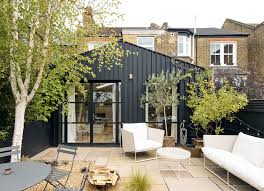
The way people use their homes is changing, and with it, the value placed on outdoor areas. Across residential markets, homeowners are increasingly investing in dedicated outdoor living spaces that go beyond traditional gardens or patios. These spaces are being designed with purpose, offering functionality that complements modern lifestyles rather than serving as purely decorative extensions of the home.
This shift reflects broader social and economic trends. Flexible working arrangements, increased time spent at home, and a growing focus on wellbeing have all contributed to a reassessment of how domestic space is utilised. Outdoor environments are no longer secondary considerations. Instead, they are being integrated into everyday living, offering additional room for work, relaxation, and social interaction.
For many households, the decision to invest in outdoor structures is influenced by a balance of cost, practicality, and long-term value. Questions around affordability and return on investment often shape early planning stages, with homeowners weighing options carefully before committing to construction. Considerations such as: Is it cheaper to buy or build a garden room? become part of a broader evaluation of how best to create usable, durable, and cost-effective external spaces.
A Response to Changing Lifestyles
The rise in dedicated outdoor living spaces is closely linked to changes in how people live and work. Remote and hybrid working models have created a demand for environments that support productivity without compromising comfort. While spare rooms and converted spaces within the home can serve this purpose, they often come with limitations in terms of privacy and separation.
Outdoor structures provide an alternative. By creating a distinct space away from the main living area, homeowners can establish clearer boundaries between work and personal life. This separation is increasingly valued, particularly as the lines between professional and domestic responsibilities continue to blur.
At the same time, outdoor spaces are being used for more than just work. They are becoming areas for exercise, hobbies, and social gatherings. This multifunctional use reflects a broader trend towards flexibility, where spaces are designed to adapt to different needs throughout the day or week.
Enhancing Property Value and Appeal
Investment in outdoor living spaces is also driven by the potential to increase property value. In competitive housing markets, features that offer additional usable space can make a property more attractive to buyers. Garden rooms, outdoor kitchens, and covered seating areas are often seen as premium additions that enhance both functionality and aesthetic appeal.
Estate agents and property analysts have noted that well-designed outdoor spaces can differentiate a property, particularly in urban or suburban areas where internal space may be limited. The ability to offer an additional room without extending the main structure is a significant advantage, both in terms of planning regulations and construction costs.
However, the value added is not solely financial. For homeowners, the immediate benefit lies in improved quality of life. Access to a comfortable, purpose-built outdoor area can enhance daily routines and provide a sense of balance that is increasingly difficult to achieve in densely populated environments.
Design and Material Innovation
Advances in design and materials have supported the evolution of outdoor living spaces. Modern structures are no longer limited to basic timber builds or temporary installations. Instead, they incorporate high-quality materials that offer durability, insulation, and weather resistance.
Architectural design has also become more sophisticated. Outdoor spaces are being planned with the same level of detail as interior rooms, taking into account factors such as lighting, ventilation, and energy efficiency. This approach ensures that the spaces are usable throughout the year, rather than being restricted to favourable weather conditions.
Glazing, insulation systems, and smart technology are increasingly being integrated into outdoor structures. These features enhance comfort and functionality, allowing spaces to be used for a wider range of activities. As a result, the distinction between indoor and outdoor living is becoming less pronounced.
Wellbeing and Connection to Nature
Another important factor driving investment in outdoor living spaces is the growing emphasis on wellbeing. Access to natural light, fresh air, and green surroundings has been linked to improved mental and physical health. Dedicated outdoor areas provide an opportunity to incorporate these elements into daily life.
For many homeowners, the ability to step outside into a comfortable and private environment offers a form of escape from the pressures of work and routine. Whether used for relaxation, exercise, or socialising, these spaces contribute to a more balanced lifestyle.
The design of outdoor living areas often reflects this focus on wellbeing. Natural materials, planting schemes, and open layouts are used to create environments that feel calm and inviting. This emphasis on atmosphere is as important as functionality, particularly in spaces intended for regular use.
Sustainability Considerations
Sustainability is an increasingly important aspect of residential development, and outdoor living spaces are no exception. Homeowners are becoming more conscious of the environmental impact of construction and are seeking solutions that align with sustainable practices.
This includes the use of responsibly sourced materials, energy-efficient designs, and construction methods that minimise waste. In some cases, outdoor structures are being equipped with renewable energy systems, such as solar panels, to reduce reliance on traditional power sources.
The longevity of materials is also a key consideration. Durable structures that require less frequent maintenance or replacement contribute to a lower overall environmental footprint. As awareness of these issues grows, sustainability is likely to play an even greater role in shaping design decisions.
Planning and Practical Considerations
While the benefits of dedicated outdoor living spaces are clear, the process of creating them requires careful planning. Factors such as available space, local regulations, and intended use must all be taken into account.
Planning permission may be required for certain types of structures, depending on their size and location. Homeowners must also consider access to utilities, such as electricity and heating, particularly if the space is intended for year-round use.
Budget is another important factor. Costs can vary significantly depending on the design, materials, and level of customisation. As a result, thorough research and professional advice are essential to ensure that the investment delivers the desired outcome.
