

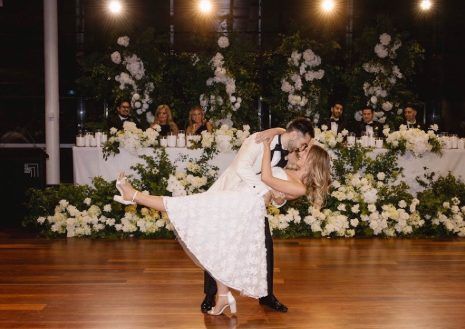
The success of a wedding event is often measured not only by its visual appeal or venue selection, but by the overall experience it creates for guests. Among the many elements that contribute to this experience, performance quality stands out as one of the most influential. From live music to hosting and entertainment, the calibre of performance can shape the atmosphere, guide the flow of the event, and leave a lasting impression long after the celebration ends.
In recent years, weddings have evolved from traditional ceremonies into carefully curated experiences. Couples are placing greater emphasis on how their event feels rather than simply how it looks. Choosing the right wedding venue plays a major role in creating that atmosphere, while this shift has brought performance to the forefront of planning decisions, with entertainment no longer treated as an afterthought but as a central component of the celebration. As expectations rise, so too does the importance of securing performers who can deliver consistency, professionalism, and engagement throughout the event.
This growing focus is particularly evident in the selection of live music, where couples increasingly seek out experienced professionals capable of adapting to diverse audiences and settings. Many planners now explore specialist options such as wedding bands scotland, when assessing how to deliver a tailored and high-quality entertainment experience that aligns with the tone and scale of the occasion. The emphasis is not simply on music itself, but on the ability of performers to enhance the overall narrative of the event.
Setting the Tone and Atmosphere
Performance quality plays a decisive role in establishing the tone of a wedding. From the moment guests arrive, subtle cues such as background music, live acoustic sets, or curated playlists begin to shape expectations. High-quality performers understand how to read a room and adjust their delivery to match the desired atmosphere, whether that is formal, relaxed, or celebratory.
During key moments such as the ceremony, reception, and evening celebration, the impact of performance becomes even more pronounced. A well-executed musical performance can elevate emotional moments, creating a sense of cohesion and continuity throughout the event. Conversely, inconsistent or poorly delivered performances can disrupt the flow and detract from the overall experience.
Atmosphere is not created by design alone. It is sustained through interaction and engagement, and this is where experienced performers demonstrate their value. By responding to audience reactions and maintaining energy levels, they help to ensure that the event remains dynamic and engaging from start to finish.
Enhancing Guest Engagement
Guest experience is a central consideration in modern wedding planning, and performance quality is closely linked to how guests perceive and enjoy the event. Engaging entertainment encourages participation, fosters social interaction, and contributes to a positive and memorable atmosphere.
Professional performers bring more than technical skill. They understand how to connect with audiences, using timing, communication, and stage presence to draw guests into the experience. This is particularly important during receptions and evening celebrations, where maintaining momentum can be challenging.
Interactive elements, such as live requests or audience participation, can further enhance engagement when executed effectively. However, these require a level of confidence and adaptability that comes with experience. Skilled performers are able to balance spontaneity with structure, ensuring that the event remains cohesive while still allowing for moments of personalisation.
Supporting the Flow of the Event
A wedding is a sequence of carefully timed moments, each contributing to the overall narrative of the day. Performance quality has a direct impact on how smoothly these transitions occur. From the entrance of the couple to the first dance and beyond, timing and coordination are essential.
Experienced performers often work closely with event planners and coordinators to align their contributions with the schedule. This collaboration helps to avoid delays and ensures that each segment of the event progresses seamlessly. In contrast, a lack of coordination can lead to interruptions or awkward pauses, affecting the overall rhythm of the celebration.
Music and entertainment also serve as cues for guests, signalling when to move between different stages of the event. By maintaining consistency and clarity, high-quality performances help to guide these transitions naturally, reducing confusion and enhancing the overall experience.
Reflecting Personal Style and Identity
Weddings are deeply personal events, and performance quality plays a key role in reflecting the couple’s identity and preferences. The choice of music, style of performance, and level of interaction all contribute to how the event is perceived.
Professional performers are able to tailor their approach to align with the couple’s vision. This may involve customising playlists, adapting arrangements, or incorporating specific cultural or thematic elements. The ability to deliver this level of personalisation is a hallmark of high-quality performance.
At the same time, maintaining authenticity is essential. Performers must balance personalisation with their own expertise, ensuring that the final result is both meaningful and professionally executed. This balance is what distinguishes experienced performers from less seasoned alternatives.
Reliability and Professional Standards
Reliability is a critical aspect of performance quality, particularly in the context of weddings where there is little margin for error. Professional performers are expected to arrive on time, set up efficiently, and deliver consistent results regardless of external conditions.
This reliability extends to equipment, sound quality, and overall presentation. Technical issues can have a significant impact on the success of an event, making it essential that performers are well-prepared and equipped to handle potential challenges. High-quality performers invest in their equipment and maintain rigorous standards to ensure a seamless experience.
Professionalism also encompasses communication and conduct. From initial consultations to the day of the event, clear and responsive communication helps to build trust and ensure that expectations are aligned. This level of professionalism contributes to a smoother planning process and a more successful outcome.
The Economic Value of Quality Performance
While performance quality often comes at a higher cost, it represents a valuable investment in the overall success of the event. Weddings involve significant financial commitments, and the quality of entertainment can influence how that investment is perceived by both the couple and their guests.
High-quality performance can enhance the perceived value of the event, creating a more memorable and enjoyable experience. In contrast, cutting costs in this area may lead to outcomes that fall short of expectations, potentially undermining other aspects of the celebration.
From a broader perspective, the demand for professional performers reflects the increasing importance of experience in event planning. As couples prioritise quality and personalisation, the market for skilled performers continues to grow, reinforcing the link between performance quality and event success.
Adapting to Changing Trends
The wedding industry is constantly evolving, influenced by cultural trends, technological developments, and changing consumer preferences. Performance quality must adapt to these changes, incorporating new styles, formats, and technologies where appropriate.
Live streaming, hybrid events, and digital enhancements are becoming more common, particularly in response to recent global events. Performers who can integrate these elements into their offerings are better positioned to meet the needs of modern couples.
At the same time, there is a continued appreciation for traditional elements, particularly in music and ceremony. High-quality performers are able to navigate this balance, combining innovation with respect for established practices.
