

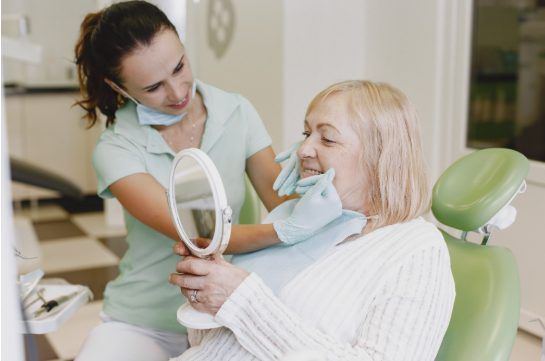
A residential aged-care manager in Western Sydney once told me her biggest headache was not staffing or compliance. It was getting residents to the dentist.
Every off-site appointment meant a patient-transport booking, a carer escort, hours of travel, and a resident who came back exhausted. About half the time, the visit was cancelled because the resident was too unwell to travel.
That pattern plays out across Australian aged care every week.
Mobile dental care flips the equation. Instead of moving a frail senior to a clinic, a qualified team brings portable equipment into the home or facility. Providers such as Watagan Dental already deliver on-site check-ups, denture repairs, and portable X-rays in aged-care homes.
Where complex restorative or aesthetic work is needed beyond portable scope, families often look to a fixed chairside provider such as a dental suite’s cosmetic dentist in Newtown Sydney for treatment that requires full lab support and longer appointments.
For families and care leaders, the real questions are practical: what can be treated on-site, how safety works outside a clinic, how funding fits public dental, Department of Veterans’ Affairs entitlements, and private extras, and how fast a program can start.
Key Takeaways
Mobile dental care works best when facilities treat it as routine clinical care with clear prevention, consent, and referral processes.
- Mobile dentistry cuts transfers and supports compliance. The strengthened Aged Care Quality Standards connect poor oral health with malnutrition, pneumonia, and frailty, and expect facilities to keep oral-health processes in place.
- Portable care has clear limits. Complex surgery, advanced root canal treatment, and most cosmetic work still need a fixed clinic or hospital.
- Funding is mixed. Medicare covers almost no routine adult dental care, so access depends on public dental eligibility, DVA entitlements, and private extras.
- Simple preventive treatments work well on-site. Silver diamine fluoride and professional fluoride varnish can prevent or arrest root caries in older adults.
- Teledentistry helps between visits. Real-time video reviews have been feasible in aged care and can cost less than sending a dentist on-site for every review.
- Process decides whether a program works. Clear consent, infection control, staff training, and referral pathways matter as much as equipment.
What Is Mobile Dental Care?
Mobile dental care removes the transport barrier by bringing a regulated dental service to the patient.
The service can be delivered with portable equipment in a home or room, or from a fully equipped van that meets Australian infection-control standards, which is why facilities often look for clear consent, reporting, portable radiography, reliable follow-up arrangements, and staff who understand residents, carers, routines, and room-based care before committing. Watagan Dental’s mobile dentist for elderly service is one local example.
The two main models are domiciliary dentistry and outreach vans. NSW Health’s Mobile Dental Outreach Program is one example of the van model.
A typical portable setup needs about 3 by 3 metres of hard floor, a power outlet, and sink access. The kit usually includes a portable chair, LED light, cordless handpieces, a compressor, digital X-ray sensors, sterile packs, personal protective equipment, and an emergency kit with oxygen.
Who Benefits Most
Mobile dental care delivers the most value when travel is the main reason treatment gets delayed.
Residents with limited mobility or cognitive impairment usually gain the most. Seniors taking multiple medicines also present with xerostomia, which means dry mouth, exposed root surfaces, and denture sores that can worsen fast without care.
Dementia-friendly scheduling helps. Short morning visits, familiar carers in the room, and minimal disruption can keep anxiety lower, and rural residents with long public waitlists also benefit from on-site care.
Services Mobile Teams Commonly Provide
Most routine senior dental care can be delivered on-site when the case is straightforward and the space is suitable.
Around 70 to 90 percent of routine dentistry for seniors can be managed in a portable setting. That includes examinations, radiographs, scale and clean, fillings with glass ionomer, a fluoride-releasing material, simple extractions, denture relines and repairs, fluoride varnish, and silver diamine fluoride for active root caries.
Root caries means decay on exposed tooth roots. Systematic reviews indicate that annual application of 38 percent silver diamine fluoride can arrest root caries in older adults. A 2026 meta-analysis also found that professionally applied fluoride varnishes and gels help prevent caries in this group.
These low-burden options suit portable settings where isolation is hard. Mobile teams can also use the Oral Health Assessment Tool, or OHAT, on admission and at set intervals to spot problems early and shape care plans.
Safety, Regulation, and Infection Control
Mobile dentistry is safe when the provider applies the same clinical standards used in a fixed practice.
Mobile providers follow the Australian Guidelines for the Prevention and Control of Infection in Healthcare. Instruments are sterilised in autoclaves or transported in sealed sterile packs, and clean and dirty zones still need to be separated. Sharps and clinical waste must also be handled under local regulations.
Sedation needs extra care. The Australian Dental Association recognises nitrous oxide as a minimal-sedation option when proper governance is in place, and anything deeper requires a practitioner with the Dental Board of Australia’s conscious sedation endorsement. Mobile teams should also carry an emergency kit, oxygen, and pulse oximetry, which tracks oxygen levels.
Facilities should rehearse emergency responses with the provider at least once a year. That shared drill matters because the room is not a standard dental surgery, even when the clinical standard must be.
Good programs also review case limits before each clinic day, so residents who need advanced imaging, complex restoration, or surgical support are identified early instead of being assessed twice or moved at the last minute for treatment unnecessarily.
When Mobile Is Not Enough
Portable dentistry solves access problems, but it does not replace a full clinic for complex treatment.
Some cases exceed portable scope. Complex surgical extractions, molar root canal treatment, crown and bridge work, and procedures that need general anaesthesia still require a fixed clinic or hospital dental unit.
That is why every service needs a clear referral matrix. For Western Sydney seniors and families who can travel, cases involving complex restorative work, endodontic care, surgery, or advanced imaging are usually better managed in a fixed clinic with full chairside equipment and broader support. Elevate Dental Group is one example, and a dentist in Blacktown can point readers to that type of service.
Cosmetic care also sits outside on-site sessions. Veneers and smile-design treatment need a fixed chair, lab support, and longer appointments, so those cases are usually referred to a chairside cosmetic provider.
Costs and Funding in Australia
Funding is usually the hardest part to explain because routine adult dental care sits outside Medicare.
Medicare generally does not cover routine adult dental services. The Child Dental Benefits Schedule applies to children, not seniors.
State public dental: In NSW, eligibility usually requires Medicare and a valid Australian Government concession card. Wait times vary, and urgent cases are triaged first.
DVA entitlements: Department of Veterans’ Affairs Gold Card holders are covered for clinically required dental treatment, although some high-cost items can still create out-of-pocket costs. White Card holders can access DVA-funded care when the treatment relates to an accepted service condition.
Private extras: Extras cover can offset part of the cost, but the benefit depends on annual limits, waiting periods, and co-payments. Families should check those details before treatment starts.
NDIS and transport support: The NDIS generally treats dental diagnosis and treatment as a mainstream health responsibility. Travel may still be funded through My Aged Care transport support, including the Commonwealth Home Support Programme, or CHSP, and Home Care Packages.
Facility-funded clinic days usually combine a minimum callout fee with per-resident charges. Residents or families should receive itemised paperwork for private health claims.
Access Pathways and Choosing a Provider
A mobile dental program runs smoothly when booking, consent, and escalation are planned before the first clinic day.
There are three common booking models. A residential aged-care facility, or RACF, can run clinic days with a scheduled resident list, families can arrange individual home visits, and eligible seniors can use public dental outreach.
A practical rollout can happen within 30 to 90 days. In the first 30 days, align policies, onboard the provider, and prepare consent packs. By day 60, run the first clinic day, audit bedside oral care, and activate the referral matrix, then use day 90 to review results, adjust frequency, and refresh staff training.
When vetting a provider, check Australian Health Practitioner Regulation Agency, or AHPRA, registration, infection-control procedures, portable radiography, denture turnaround, fluoride and silver diamine fluoride protocols, and dementia-friendly training. Also ask about emergency kit compliance, referral agreements, general practitioner reporting, fee transparency, teledentistry, and cultural safety.
Treat Oral Health As Clinical Care
Oral health belongs in the core care plan because poor mouths quickly become wider health problems.
The Australian Institute of Health and Welfare tracks dental conditions as potentially preventable hospitalisations. That alone shows oral health is not optional in aged care.
The evidence still needs plain reading. Cochrane’s 2022 update found insufficient evidence that professional mouth care alone prevents nursing-home-acquired pneumonia. Facilities should not overpromise outcomes, but they should maintain strong oral-health processes because the Quality Standards require them.
The most practical model combines mobile dentistry for routine care, teledentistry for triage between visits, and strong referrals for complex work. That approach helps older Australians eat, speak, and stay out of hospital.
Frequently Asked Questions
These are the practical questions families and aged-care teams ask most often.
What can a mobile dental team treat on-site?
They can usually manage examinations, X-rays, cleaning, fillings, simple extractions, denture repairs and relines, fluoride varnish, and silver diamine fluoride. Roughly 70 to 90 percent of routine senior dental needs can be handled without a fixed clinic.
Is mobile dental care safe for residents with multiple conditions?
Yes, if the team reviews medicines, manages anticoagulants and antibiotic prophylaxis, and carries oxygen and emergency drugs. Visits should stay short and be booked for the resident’s best time of day.
How are infection control and sterilisation handled outside a clinic?
Mobile providers follow the same Australian infection-control rules used in fixed practices. Sterile packs, clean and dirty zones, and proper sharps disposal still apply.
When is a hospital or fixed clinic necessary?
Residents need a fixed clinic or hospital for complex surgical extractions, molar root canal treatment, crown and bridge work, general anaesthesia, and most cosmetic procedures, because veneers and smile-design cases also need a fixed chair, lab support, careful shade matching, and longer in-chair appointments than a portable visit can provide. A chairside cosmetic provider with full lab support and longer appointment availability is the appropriate referral for that type of care.
Does Medicare cover mobile dental care for seniors?
Usually not. Seniors generally rely on public dental eligibility, DVA-funded care, or private health extras for routine treatment.
Do veterans get dental coverage?
Gold Card holders are covered for clinically required dental care. White Card holders can access funded treatment when it relates to an accepted service condition.
Can the NDIS fund dental treatment?
Generally no. Dental treatment is considered a mainstream health service, although CHSP or Home Care Packages may help pay for transport.
How does teledentistry fit into aged care?
Teledentistry lets a dentist review symptoms, photos, or live video between visits. Australian pilot work found it feasible and more cost-effective than sending a dentist on-site for every review.
What documentation will families receive?
They should receive clinical notes, radiographs, a diagnosis, a treatment plan, consent records, next-due dates, and a summary for the GP. Those records also support private health claims.
How quickly can a RACF start a mobile dental program?
Most facilities can start within 30 to 90 days. The first month covers policy alignment and onboarding, the second runs a pilot clinic day, and the third reviews outcomes and sets frequency.
