

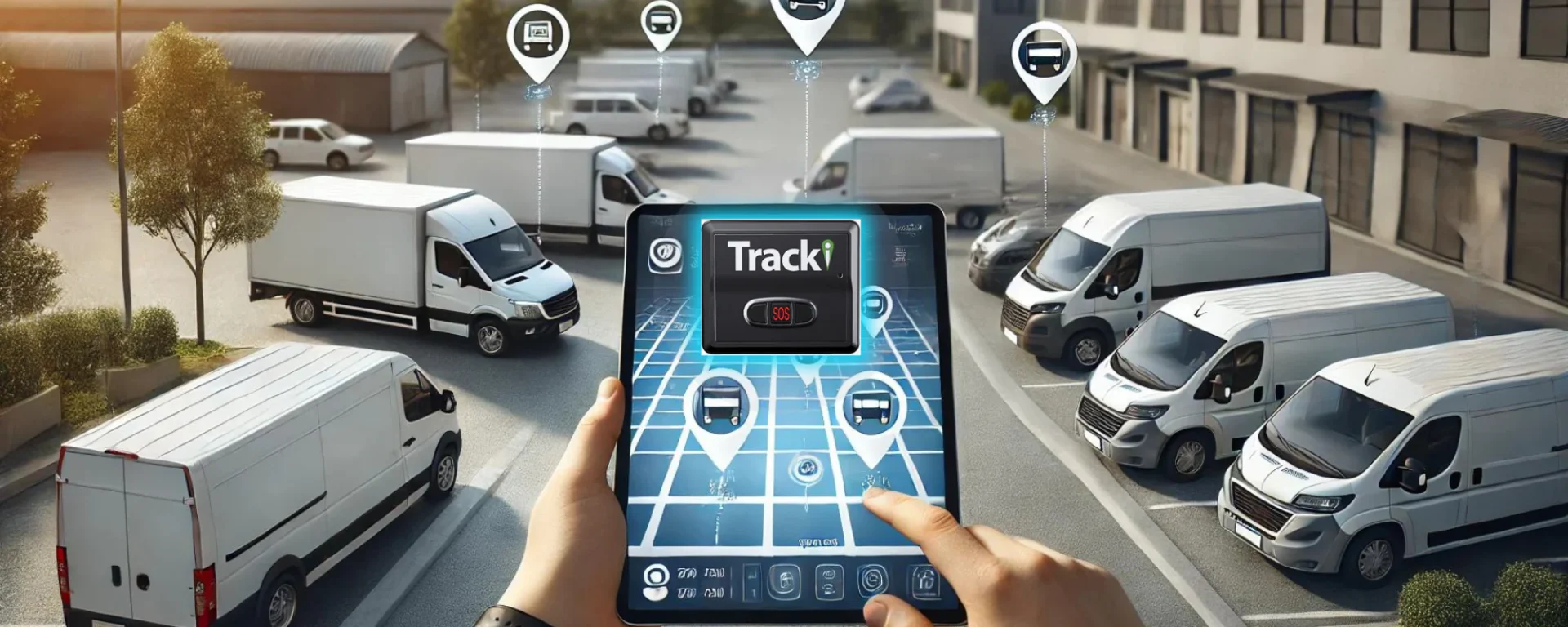
In today’s competitive business environment, organizations are constantly looking for ways to improve productivity, reduce costs, and safeguard valuable assets. Whether a company manages a fleet of vehicles, expensive equipment, or mobile employees, maintaining visibility over business operations is essential. This is where GPS tracking technology plays a significant role.
Businesses that want to improve operational efficiency and strengthen asset security should carefully select best GPS tracker that matches their specific requirements. The right tracking solution can provide real-time visibility, improve fleet management, reduce operational costs, and help organizations make data-driven decisions. GPS tracking systems have evolved far beyond simple location monitoring. Modern solutions provide real-time insights into asset movement, employee activity, vehicle performance, and operational efficiency.
What Is GPS Tracking?
GPS (Global Positioning System) tracking is a technology that uses satellites to determine the precise location of a vehicle, asset, or device. GPS tracking systems collect location data and transmit it to a centralized platform where business owners and managers can monitor activities in real time.
Many GPS tracking solutions also provide additional features such as route history, geofencing, maintenance alerts, fuel monitoring, driver behavior analysis, and reporting tools.
Enhancing Asset Protection
One of the biggest concerns for businesses is protecting valuable assets from theft, misuse, or unauthorized movement. GPS tracking offers a practical solution by providing continuous visibility into asset locations.
How to Select Best GPS Tracker for Your Business
Before investing in a tracking solution, businesses should carefully select best GPS tracker based on their operational needs. Factors such as real-time tracking, geofencing, reporting features, mobile accessibility, and customer support should be considered. Choosing the right GPS tracker can help organizations protect assets, improve efficiency, and maximize their return on investment.
Theft Prevention and Recovery
Vehicle and equipment theft can result in significant financial losses. GPS tracking devices allow businesses to monitor assets at all times and receive instant alerts if an asset moves unexpectedly.
If a vehicle or piece of equipment is stolen, managers can quickly identify its location and share the information with law enforcement agencies. Faster recovery reduces replacement costs and minimizes operational disruptions.
Monitoring High-Value Equipment
Construction companies, logistics providers, and agricultural businesses often rely on expensive machinery and equipment. GPS tracking enables organizations to monitor the exact location of these assets, reducing the risk of loss and unauthorized use.
Knowing where equipment is located also helps businesses allocate resources more effectively and avoid unnecessary purchases.
Geofencing for Additional Security
Geofencing allows businesses to create virtual boundaries around specific locations. When a tracked asset enters or leaves a designated area, the system automatically sends notifications.
This feature is particularly useful for preventing unauthorized asset movement and ensuring that vehicles and equipment remain within approved operational zones.
Improving Fleet Management
For businesses that operate vehicle fleets, GPS tracking can significantly improve efficiency and reduce operating costs.
Real-Time Vehicle Visibility
Managers can view the location of every vehicle in real time. This visibility helps dispatch teams assign jobs more effectively and respond quickly to customer requests.
Real-time tracking also reduces uncertainty and improves communication between drivers and management.
Route Optimization
Fuel costs are a major expense for many businesses. GPS tracking software helps identify the most efficient routes, reducing unnecessary mileage and travel time.
Optimized routes allow drivers to complete more tasks in less time while consuming less fuel. As a result, businesses can lower operating expenses and improve overall productivity.
Reducing Idle Time
Excessive vehicle idling wastes fuel and increases wear on engines. GPS tracking systems can identify vehicles that remain idle for extended periods.
Managers can use this information to encourage better driving habits and reduce unnecessary fuel consumption.
Increasing Employee Accountability
Businesses with field staff, delivery drivers, service technicians, or sales representatives often face challenges in monitoring employee activities. GPS tracking promotes transparency and accountability without requiring constant supervision.
Accurate Time Tracking
GPS systems can record arrival and departure times automatically. This helps businesses verify work hours, improve payroll accuracy, and reduce time theft.
Accurate records also simplify administrative tasks and eliminate disputes regarding employee schedules.
Better Job Performance Monitoring
Managers can review routes, completed tasks, and travel times to assess employee performance. This data helps identify areas for improvement and supports more effective workforce management.
Employees often become more productive when they know their activities are being monitored fairly and transparently.
Enhancing Customer Service
Customer satisfaction is a critical factor in business success. GPS tracking can help organizations deliver faster, more reliable service.
More Accurate Arrival Estimates
Real-time vehicle tracking allows businesses to provide customers with accurate estimated arrival times. Customers appreciate transparency and are more likely to trust businesses that keep them informed.
Faster Response Times
GPS tracking helps dispatchers identify the nearest available vehicle or technician for urgent service requests. Faster response times improve customer experiences and strengthen brand reputation.
Improved Communication
Many GPS tracking platforms provide live status updates that can be shared with customers. This reduces uncertainty and minimizes the need for customers to call and request updates.
Reducing Operating Costs
Cost reduction is one of the most attractive benefits of GPS tracking technology.
Lower Fuel Expenses
Fuel consumption can be reduced through route optimization, reduced idling, and improved driver behavior. Even small improvements in fuel efficiency can result in substantial savings over time.
Reduced Maintenance Costs
GPS tracking systems often include vehicle maintenance reminders based on mileage or operating hours. Preventive maintenance helps businesses avoid costly breakdowns and extend the lifespan of vehicles and equipment.
Lower Insurance Costs
Some insurance providers offer discounts to businesses that use GPS tracking systems. Improved security and risk management can lead to reduced insurance premiums.
Improving Driver Safety
Driver safety is a top priority for businesses that rely on transportation.
Monitoring Driving Behavior
GPS tracking systems can detect speeding, harsh braking, rapid acceleration, and other risky driving behaviors. Managers can use this information to provide coaching and improve driver performance.
Reducing Accident Risks
Safer driving habits contribute to fewer accidents, lower repair costs, and reduced liability exposure. A strong safety culture also helps protect employees and company assets.
Emergency Assistance
In the event of an accident or emergency, GPS tracking enables businesses to quickly locate drivers and provide assistance when needed.
Supporting Data-Driven Decision Making
Modern GPS tracking platforms generate valuable operational data that businesses can use to make smarter decisions.
Detailed reports provide insights into:
- · Vehicle utilization
- · Fuel consumption
- · Route efficiency
- · Employee productivity
- · Maintenance schedules
- · Asset usage patterns
By analyzing these metrics, businesses can identify inefficiencies, optimize resources, and improve long-term performance.
Choosing the Right GPS Tracking Solution
When selecting a GPS tracking system, businesses should consider factors such as:
· Real-time tracking capabilities
· Reporting and analytics features
· Geofencing functionality
· Mobile app accessibility
· Integration with existing business systems
· Scalability for future growth
· Customer support and reliability
Investing in a solution that aligns with business goals ensures maximum value and long-term success.
