

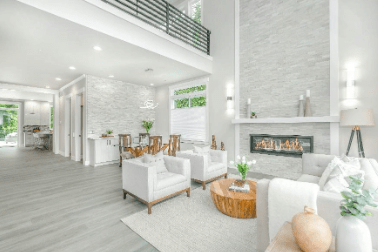
A home is more than four walls and a roof. It is a space that holds routines, memories, and the quiet moments that shape everyday life. When homeowners decide to upgrade their living space, the goal is rarely just about appearances. The real aim is to create a setting that feels comfortable, looks polished, and protects the people inside it. Striking that balance takes planning, because safety and style are not separate goals. They work best when treated as two sides of the same coin.
Every enhancement, from a fresh coat of paint to a full room renovation, carries its own set of considerations. Some are obvious, like choosing colors that match the existing decor. Others are less visible but far more important, like making sure the materials used are durable and the work is done correctly. A good home upgrade should look beautiful on the first day and still function safely years later. That long-term thinking is what separates a thoughtful project from a rushed one.
Illuminating Spaces with Purpose
Good lighting changes the entire feel of a home. It sets the mood, highlights key features, and makes daily tasks easier to manage. A room that once felt small can suddenly appear open and inviting with the right fixtures placed thoughtfully around the space. Whether the goal is soft ambient light for the living room or brighter task lighting for the kitchen, the choices made here shape how the home looks and functions every single day. Since electrical work involves wiring, load calculations, and code compliance, this is not a project to take lightly. Working with a trusted lighting installation company helps homeowners avoid hazards like faulty connections, overloaded circuits, or improperly grounded fixtures that could lead to bigger problems down the line.
Beyond safety, lighting is also a design tool. Warm tones create a cozy atmosphere in bedrooms and dining areas, while cooler tones work well in offices and kitchens where focus matters. Layering different types of light, such as overhead, accent, and task lighting, gives a room depth and character. Dimmers add flexibility, allowing the same space to shift from energizing in the morning to relaxing in the evening. Thoughtful placement also matters. A well-positioned pendant above a dining table or a pair of sconces flanking a bathroom mirror can elevate the look of a room without requiring any major structural changes.
Choosing Materials That Last
Material selection is one of the most overlooked parts of home improvement. Many homeowners focus on how something looks in the showroom without asking how it will hold up after a few years of use. Flooring, countertops, cabinetry, and paint all age differently depending on the quality of the materials and the conditions they face. A kitchen counter that looks stunning on installation day may chip or stain quickly if it was not the right choice for a busy household. Picking materials that balance looks with durability keeps the home looking fresh longer and reduces the need for frequent replacements.
Natural stone, hardwood, quality tile, and solid wood cabinetry tend to age gracefully when cared for properly. Synthetic alternatives have come a long way and can offer good performance at a friendlier cost. The key is to match the material to the space. Moisture-prone areas like bathrooms and laundry rooms need water-resistant finishes. High traffic zones need surfaces that can handle constant use without showing wear.
Creating Safe and Functional Layouts
Style means little if a space is hard to move through. A beautifully decorated room loses its charm quickly if furniture blocks pathways or if there is not enough clearance around doors and corners. Good layout planning starts with understanding how the space will actually be used. Families with young children need open floor plans that allow easy supervision. Older residents benefit from wider walkways, fewer tripping hazards, and grab bars in bathrooms that blend in with the design rather than stand out awkwardly.
Storage also plays a quiet but important role in safety. Clutter is one of the most common causes of household accidents. Built-in shelving, smart closet systems, and hidden storage solutions keep everyday items organized and out of the way. When everything has a place, the home feels calmer and looks cleaner. Functional layouts also consider lighting placement, electrical outlets, and ventilation.
Blending Aesthetics with Structural Integrity
Cosmetic upgrades are exciting, but they should never come at the cost of what lies beneath. Before adding new finishes, it is worth checking the condition of the foundations, walls, roofing, and plumbing. Cracks, leaks, and outdated systems can undermine even the most beautiful renovation if left unaddressed. A fresh coat of paint cannot fix a wall with moisture issues, and new tile cannot compensate for a floor that has started to sag.
Addressing these foundational elements first creates a solid base for everything else. Once the structure is sound, the decorative layers can go on with confidence. This approach also protects the investment made in the home. Enhancements built on a stable foundation last longer and retain their value, while those layered over hidden issues often need to be redone within a few years.
Personal Touches That Tell a Story
A home should reflect the people who live in it. Generic interiors may look polished in photographs, but they rarely feel warm or personal. Art collected over time, furniture with history, and colors that resonate with the homeowner all contribute to a space that feels genuinely lived in. These touches do not have to be expensive or elaborate. A gallery wall of family photos, a handwoven rug from a favorite trip, or a reading nook built into an unused corner can transform the atmosphere of a room.
The most successful home enhancements bring all of these elements together. They prioritize safety without sacrificing beauty, choose quality materials that stand the test of time, and leave room for the personality of the people who call the space home.
