

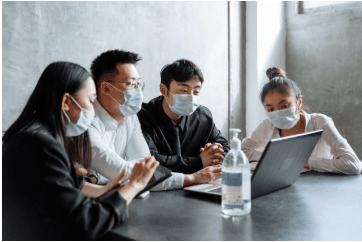
Have you ever stepped into a workplace and immediately sensed something was wrong? Cluttered walkways, rushing employees, or a general feeling of disorganization can signal deeper safety issues. Poor workplace safety isn’t just a liability—it’s a major drain on productivity.
Businesses today must balance safety with efficiency. In a world of stretched supply chains and labor shortages, safety can’t be an afterthought. A well-protected workforce isn’t just safer—it’s also more productive.
With evolving technology and shifting regulations, companies need smart strategies to align safety with efficiency. In this blog, we’ll explore how businesses can create safer workplaces without sacrificing performance.
Making Safety a Built-in Advantage
For years, workplace safety was seen as something separate from productivity. Rules were enforced, signs were posted, and occasional training sessions were scheduled. But real safety isn’t just about policies—it’s about making smart choices that protect employees while keeping businesses running at peak performance.
Efficiency and safety go hand in hand. Consider a warehouse where workers constantly lift heavy loads without proper training. Eventually, injuries happen, and injured workers mean delays, medical costs, and more hiring headaches. On the flip side, a company that invests in ergonomic lifting equipment and training not only reduces injuries but speeds up operations.
The same principle applies to industries of all kinds. Whether it’s construction, healthcare, or retail, businesses that prioritize safety avoid costly disruptions. A well-organized work environment with clear procedures allows employees to move confidently without second-guessing every step. Small changes—like better lighting, slip-resistant flooring, and clearly marked exits—can make a big impact.
A simple yet often overlooked strategy is investing in the right gear. Footwear, in particular, plays a crucial role in workplace safety. Many companies now choose a specialized shoes program for businesses, making sure their employees wear footwear suited to their specific work environments. Slip-resistant shoes help prevent falls, while cushioned soles reduce fatigue, leading to fewer injuries and greater efficiency. For industries like hospitality, healthcare, and manufacturing, choosing such a program is a smart, cost-effective way to protect workers and enhance productivity.
Beyond footwear, other essential safety gear—helmets, gloves, eye protection—should be more than just required equipment. It should be seen as an investment in employee well-being and operational success. Businesses that prioritize high-quality protective gear set themselves apart by reducing workplace injuries and improving overall morale.
Technology as a Safety and Productivity Booster
The workplace has changed dramatically in recent years, and technology is playing a major role in safety and efficiency. From AI-powered monitoring systems to smart wearables, businesses now have access to tools that make workplaces safer without slowing things down.
Take AI-driven safety cameras. These systems can detect unsafe behavior in real time, alerting managers before accidents happen. In construction, wearable sensors track workers’ posture and fatigue levels, preventing injuries before they occur. With automated safety alerts, factories can see to it that machinery operates within safe limits, reducing breakdowns and accidents.
Remote work has also shifted how businesses think about safety. While office jobs may not involve physical hazards, mental health and ergonomic risks are just as important. Companies that encourage proper home office setups, regular breaks, and mental health support programs are seeing fewer burnout-related absences and higher productivity.
Even something as simple as using digital checklists can improve safety and efficiency. Apps that remind employees to inspect equipment, report hazards, or complete training sessions ensure that nothing falls through the cracks. When safety processes are streamlined, they become a natural part of daily operations rather than an inconvenience.
Training That Actually Works
Most employees have sat through a dull safety presentation at some point—clicking through slides, signing a sheet, and forgetting the information immediately. That kind of training doesn’t work. Safety education needs to be engaging, practical, and relevant to the actual work employees do.
Interactive training sessions, virtual reality simulations, and hands-on workshops make safety lessons stick. Instead of just reading about fire hazards, employees can practice fire extinguisher use in a virtual environment. Factory workers can experience real-time hazard scenarios in training before stepping onto the production floor.
Regular safety drills also help employees respond better in emergencies. A company that conducts unannounced fire drills ensures workers know exactly what to do if an actual emergency occurs. In industries where quick decision-making is critical—like construction, healthcare, and manufacturing—real-world training can make all the difference.
But training shouldn’t be a one-time event. Ongoing education, refresher courses, and updates on new safety protocols keep employees engaged. When workers understand that safety training is there to protect them—not just check a compliance box—they take it more seriously.
A Culture of Responsibility and Awareness
No matter how many rules are in place, workplace safety only works when everyone is on board. Businesses that build strong safety cultures create environments where employees look out for each other, report hazards, and take responsibility for their surroundings.
This starts with leadership. When managers and executives actively promote safety, employees follow suit. If a company’s leadership cuts corners on protective gear or ignores safety concerns, employees will assume those issues don’t matter. But when safety is treated as a priority from the top down, it becomes part of the company’s identity.
Recognition and rewards can also reinforce good habits. Companies that acknowledge employees for following safety procedures, reporting hazards, or helping a coworker avoid an accident create positive reinforcement. Something as simple as an employee-of-the-month program for safety-conscious workers can go a long way.
Transparency is another key factor. Businesses that track and share workplace safety data help employees understand why safety rules exist. If workers see that accident rates dropped after new policies were introduced, they’ll be more likely to trust and follow them.
The Future of Workplace Safety and Efficiency
Workplaces will continue to evolve, and businesses that adapt to new safety challenges will be the ones that thrive. Emerging trends like AI-driven risk analysis, real-time hazard detection, and even automation in high-risk tasks are shaping the future of workplace safety. Companies that embrace these changes won’t just protect employees—they’ll also stay ahead of competitors.
As businesses traverse economic shifts, supply chain disruptions, and changing labor markets, one thing remains clear: safety and efficiency aren’t opposing forces. They’re two sides of the same coin. Companies that prioritize both will see higher productivity, lower turnover, and stronger overall performance.
By investing in proper equipment, embracing new technologies, improving training, and fostering a culture of responsibility, businesses can create safer and more efficient workplaces. And when employees feel secure, supported, and valued, they don’t just work harder—they work smarter.
