

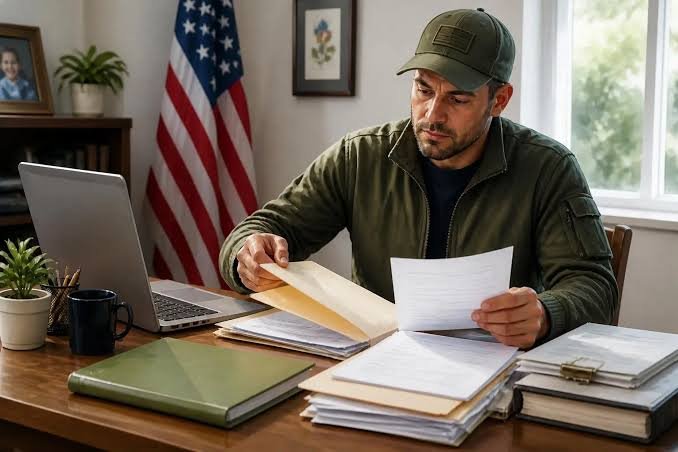
Veterans across the USA can receive a denial after treatment, paperwork, and attempts to explain how a condition relates to service. The decision may arrive while the veteran is living far from the duty station or working with doctors who never saw the earlier records. That distance can make an appeal seem harder to organize, especially when the notice uses terms that do not explain what evidence was missing. A review begins by turning the denial into clear questions: what did the VA decide, what record did it rely on, and what remains unanswered?
National representation gives veterans a way to raise those questions without limiting the review to one local office. A veteran can ask how CCK Law will examine the file, explain the available response, and keep the argument tied to the actual decision. That conversation helps define the next step before time and uncertainty weaken the claim.
Reviewing The VA’s Decision
A denial letter explains why the VA rejected a claim and identifies the evidence considered. An advocate reviews that reasoning against service records, medical evidence, prior statements, and applicable VA regulations.
The review often reveals a specific problem. The VA might overlook favorable evidence, rely on an inadequate medical examination, misunderstand a diagnosis, or reject a link between a condition and military service without sufficient explanation.
A national veterans law practice, such as CCK Law, can review claims from veterans nationwide and assess whether the decision contains a legal or evidentiary error. That review gives the veteran a clearer basis for choosing an appeal option and preparing supporting evidence.
Selecting The Right Appeal Lane
Veterans generally choose among a supplemental claim, a higher-level review, and an appeal to the Board of Veterans’ Appeals. Each path serves a different purpose.
A supplemental claim requires new and relevant evidence. This option fits a case where medical records, service documents, or a professional medical opinion can address the denial reason.
A higher-level review asks a senior VA reviewer to reconsider the existing record. Veterans cannot submit new evidence through this process, so it works best when the error appears in the materials already before the VA.
A board appeal allows a veteran to request review by a Veterans Law Judge. The veteran can select a direct review, submit additional evidence, or request a hearing. An advocate compares the record, timing, and legal issues before recommending a route.
Building Evidence That Addresses The Error
Appeals succeed when evidence answers the VA’s stated reason for denial. General records about a diagnosis do not always prove that the condition began during service or resulted from a service-connected disability.
Medical opinions can explain whether a condition is at least as likely as not related to service. A useful opinion covers the veteran’s history, relevant records, medical reasoning, and the facts supporting the conclusion.
Service records can establish an event, injury, exposure, or duty assignment. Lay statements can describe symptoms, onset, daily limitations, and changes observed by family members or coworkers. An advocate organizes these materials so each item supports a specific legal requirement.
Correcting Inadequate VA Examinations
A VA examination must address the relevant medical and legal questions. An examiner who ignores the veteran’s statements, relies on incomplete records, or provides a conclusion without reasoning can produce an inadequate report.
An advocate identifies these defects and explains why they matter to the claim. The appeal argument can request a new examination, challenge the report’s weight, or show that the remaining evidence supports service connection.
The record also needs accurate disability information. Symptoms, frequency, severity, treatment history, and effects on employment should appear clearly in medical records and personal statements.
Protecting Deadlines And Preserving Benefits
Appeal deadlines depend on the decision and the selected review option. Missing a deadline can force a veteran to reopen the matter later, which can affect the effective date of benefits.
An advocate tracks the date on the decision, identifies the proper filing deadline, and submits the required form or request. The advocate also explains what happens after filing, including evidence requests, examinations, statements, and Board procedures.
Preserving an earlier effective date often requires continuous pursuit of the claim. Veterans should keep copies of every submission, confirmation, decision, and piece of evidence connected with the appeal.
Presenting The Legal Argument
A persuasive appeal connects the facts to the applicable standard. It explains what the VA decided, why that reasoning was incorrect, and what evidence supports the requested result.
National advocates handle this work through written briefs, supplemental submissions, hearing preparation, and responses to VA decisions. They can also identify related conditions or rating issues that the original decision failed to address.
The goal is a complete record that gives the reviewer a direct answer to each disputed issue. Clear organization reduces confusion and keeps the argument tied to the evidence.
Conclusion
A wrongful denial does not end a veteran’s claim. The decision must be reviewed for factual gaps, inadequate examinations, missing medical links, and procedural mistakes. A national advocate can match those errors to the proper appeal lane, gather evidence that answers the VA’s reasoning, and protect important deadlines. Veterans should read the denial letter promptly, preserve every document, and seek a case review before choosing the next filing.
