

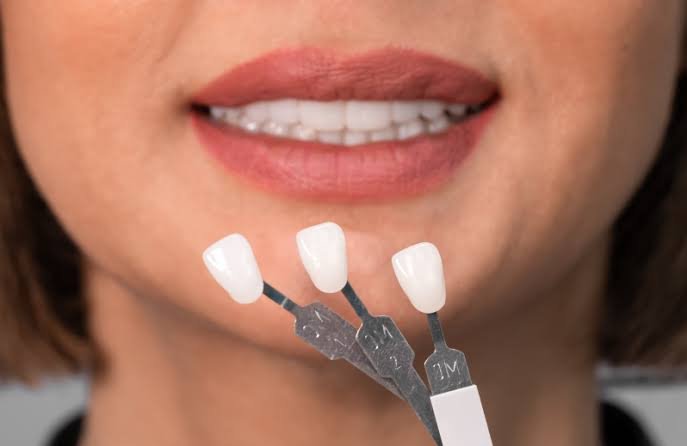
Veneers are having a moment. Scroll for a minute, and someone is showing off a fresh set, and the best ones look like that person’s own teeth on a great day.
What makes that work is customization. Shade, proportions, and surface texture are chosen to suit one face, one smile, and one set of neighboring teeth, so the result reads as natural, and people notice the confidence.
That planning happens long before the porcelain is fired, and it is where the best results are won.
People looking for porcelain veneers in Boca Raton want custom-made porcelain shells bonded to the front of a tooth to change its shape, shade, or surface. They treat stained or discolored teeth, chips, worn edges, small gaps, and uneven or misaligned fronts. The process usually takes two to three appointments: enamel preparation, a mold and shade selection, a dental lab fabrication window, temporary veneers, and a final bonding visit.
How Do You Get Veneers That Look Natural?
Three things decide it: shape, shade, and surface. Those are the three things a veneer changes, so those are the three worth planning with care.
A natural shade sits a touch warmer and less uniform than the brightest option on the chart. A natural shape varies from tooth to tooth, with slightly different lengths and edges. A natural surface has a faint texture that lets enamel catch the light.
Real smiles are a little uneven. Teeth show subtle translucency near the edges and rarely match their neighbors exactly. A veneer plan that keeps those quirks reads as yours.
Video calls raised the stakes. A smile now sits in the frame for an hour at a time, so people study shade and edge shape far more closely than they did across a conference table.
A good first appointment starts with what you like about your current smile. Those are the details worth keeping.
Do Veneers Damage Your Teeth?
Veneers involve removing a small amount of enamel from the front and sides of the tooth, and enamel doesn’t grow back. That makes it a long-term decision.
Ask the dentist how much enamel will come off and why. A confident, specific answer is a good sign, and a vague one is worth a second opinion.
Grinding and clenching deserve a direct conversation. Porcelain is thin, so heavy grinders face a higher risk of cracks and chips, and a night guard can reduce that risk without removing it. Some patients with serious grinding habits end up being steered toward other treatments.
We address existing decay or gum problems before bonding anything. People who have already tried whitening, braces, or retainers and still want a change may choose veneers as a longer-term option, and an exam confirms whether their teeth and gums can support them.
How Many Appointments Do Veneers Take?
Plan on two to three visits. The sequence looks like this:
- Preparation: A small amount of enamel is removed from the front and sides of the teeth.
- Mold and shade: The impression goes to a dental lab where the veneers are custom-made, which can take several days. Temporary veneers may cover the gap.
- Fitting and bonding: The dentist checks the fit, cleans the teeth, bonds each veneer in place, and hardens the bonding material with a special light.
- Polish and adjustments: The edges get smoothed, and any tweaks happen at follow-up visits.
Expect a few days of adjusting to the new feel of your teeth. Mention anything that feels off before you leave the chair, since small changes are easier to make at that point.
How Long Do Veneers Last, and What Do They Cost?
Estimates commonly range from 10 to 30 years, and for good reason. Habits decide where you land: ice chewing, nail biting, and using teeth as tools shorten the odds, while daily brushing and flossing improve them.
Veneers can chip, and one can occasionally loosen over time, in which case you usually need to replace it. Anyone promising forever is selling something.
Cost depends on how many teeth are involved, how complex the case is, and the materials and lab work behind it. Treat any number quoted over the phone as a starting point.
Ask for a written estimate that itemizes the exam, preparation, temporary veneers, final veneers, a night guard if needed, and follow-up adjustments. Ask about financing too. Comparing estimates line by line is the only way to compare like with like.
Maintenance counts as part of the cost. Regular checkups and, for grinders, a night guard should be budgeted alongside the veneers themselves.
Are Porcelain Veneers Worth It for You?
Whether veneers are worth it depends on four things: how much enamel comes off, whether grinding is a factor, what the full estimate covers, and whether the dentist can show you natural-looking results from past cases.
Veneers make the most sense for someone who accepts the permanence, can keep chewing and grinding habits in check, and wants a lasting change to shape or shade. If any of those answers feels shaky, keep asking questions before you book.
Bring photos to the consultation. Pictures of your smile from years ago show what your teeth looked like before life wore them down, and a few images of smiles you like (and some you do not) give the dentist a target.
Bring your habits too. Tell the dentist about grinding, nail biting, coffee, and wine, because the plan should fit the mouth you actually have.
Good veneers look like yours on a great day. Choose the dentist who plans for that.
