

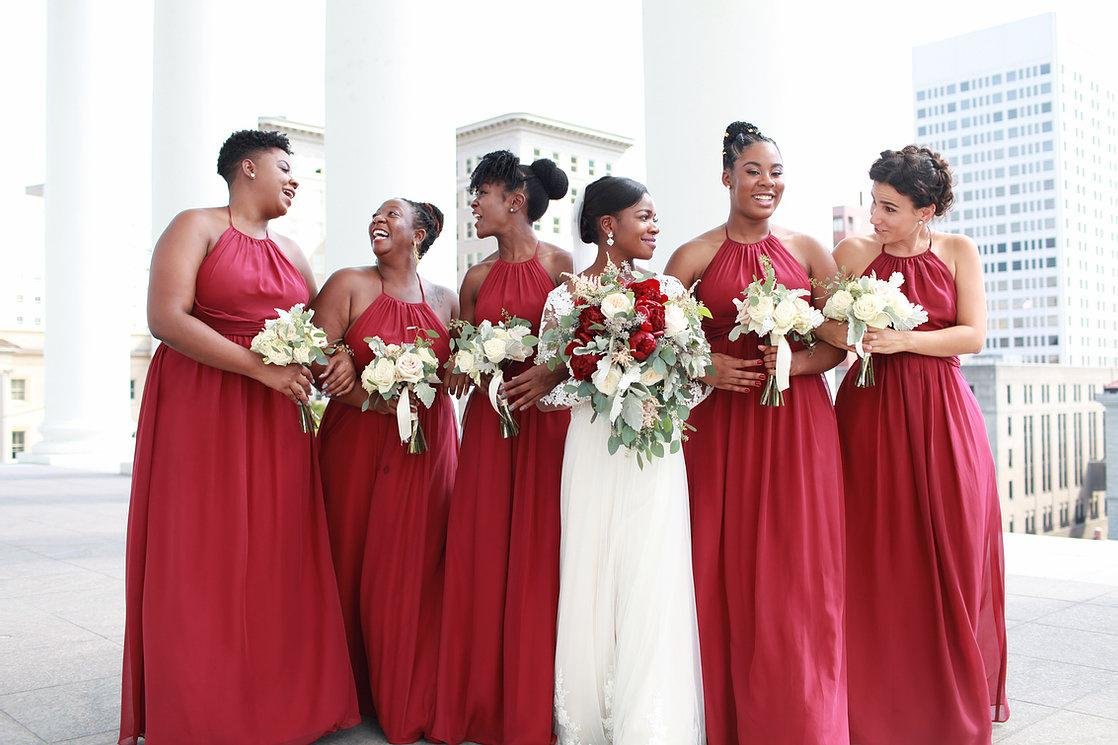
Red is the one wedding color that never needs an apology. It shows up in candlelit ballrooms and sun-drenched gardens with equal authority. But here’s what most couples discover too late: the shade of red matters more than the flower itself. Scarlet reads electric in a modern loft. Burgundy disappears inside a rustic barn unless you know exactly how to offset it. Choose wrong and your centerpieces fight the room instead of owning it.
This guide gives you a practical way to pick red blooms that work with your venue, not against it, and it covers the varieties, the pairings, and the specific decisions that separate a cohesive look from a confused one.
Why Red Earned Its Place at the Wedding Table
Red has anchored wedding ceremonies across cultures for thousands of years, and the reasons are partly neurological. The deep red pigment in rose petals comes from anthocyanins, and that color intensity triggers a psychological association with love because red is known to evoke strong emotions such as passion, excitement, and desire. That’s not poetic license. Your guests feel something when they walk into a red-accented space before they consciously register why.
Culturally, the weight is just as real. In China, red is a color of luck, prosperity, and celebration, and red flowers are used in weddings to bring good fortune and happiness. In Western tradition, red roses were sacred to Aphrodite and Venus, the goddesses of love , a lineage that still shapes how guests read the color today. You’re drawing on a long chain of meaning, even if you just like how it looks.
For more on the history behind red rose symbolism and why the color carries such persistent romantic weight, Gardenia.net’s 2024 guide on red rose meaning and history traces the cultural arc from ancient myth through modern ceremony in detail.
The Red Spectrum Decision Filter
Most couples think “red” and stop there. There are actually four distinct bands of red used in wedding florals, and each one behaves differently in a room. Before you order a single stem, run your venue through this filter:
- True crimson (classic red roses, red tulips): High-contrast, photographically dominant. Designed for bright or neutral spaces. Kills it in white-draped ballrooms and chapel settings.
- Scarlet and coral-red (ranunculus, anemones): Warm, energetic, reads more orange in direct sunlight. Perfect for outdoor or garden venues with natural light.
- Burgundy and deep wine (dahlias, dark calla lilies, cosmos): Rich, moody, absorbs rather than reflects light. Works in dim, candlelit spaces. Disappears in bright rooms.
- Cranberry and berry tones (spray roses, lisianthus, astrantia): The most versatile range. Bridges the gap between burgundy and crimson. Adapts to almost any lighting condition.
The single most common mistake? Ordering burgundy dahlias for a sun-filled greenhouse wedding. They look stunning in a flat-lay photo and then disappear inside a bright, airy room the day of. Go a shade warmer or add ivory to bring them forward.
Matching Red Flowers to Your Venue: A Practical Table
Use this as your starting point. Every pairing below is based on how light behaves in that space and how red pigments read against common backdrop materials.
| Venue Type | Best Red Shade | Top Flower Picks | Avoid
|
|---|---|---|---|
| Classic ballroom (neutral walls, chandeliers) | True crimson | Red garden roses, red tulips, red calla lilies | Burgundy alone (too dark for the scale) |
| Rustic barn (wood, string lights, warm tones) | Burgundy and deep wine | Dahlias, dark cosmos, burgundy ranunculus | Scarlet (clashes with warm wood tones) |
| Garden or outdoor (natural light, greenery) | Scarlet or cranberry | Poppies, red anemones, spray roses | Deep burgundy (fades in sunlight) |
| Modern loft or industrial (concrete, metal) | True crimson or scarlet | Red anthuriums, red roses, red amaranthus | Dusty cranberry (looks muddy against gray) |
| Historic or church venue (stained glass, stone) | Deep wine or cranberry | Lisianthus, dark dahlias, astrantia | Bright scarlet (competes with existing color) |
What the Numbers Say About Wedding Floral Decisions
Red is rising. White is still the dominant wedding color, but a pop of red is one of the new wedding color trends climbing in the data among couples actively building bolder palettes. That shift is happening against a growing market. The global wedding flowers market was valued at $10.74 billion in 2024 and is expected to reach $14.01 billion by 2032, according to Wise Guy Reports. That growth is pulling more florists into premium, statement-color work, which means your options for sourcing standout red varieties keep expanding.
What couples spend tells a similar story. Approximately 2.2 million weddings are expected to take place in the U.S. annually between 2024 and 2025 , and with that volume of competition for attention, couples are leaning harder into color to make their day feel distinct. Wedding Venue Owners’ 2024-2025 industry statistics report also shows that 1 in 3 couples are actively seeking creative ways to personalize their weddings , and a deliberate red palette is one of the fastest signals a room reads.
“Red roses representing romance, commitment, and eternal devotion are often at the heart of wedding themes, enhancing both the aesthetic and emotional atmosphere of the celebration.” This framing from horticultural researchers at Gardenia.net captures exactly why red works beyond aesthetics: it lands on guests as a complete emotional statement, not just a color choice.
Building Your Red Arrangement: A Pre-Order Checklist
Before you confirm anything with your florist, run through these five questions. Every one of them changes the outcome.
- What is the dominant light source at your venue? Natural light shifts red toward orange. Tungsten light shifts it toward rust. LED light (common in modern venues) reads coolest, making true crimson pop.
- What color are the walls, floors, and linens? Red against ivory reads romantic. Red against white reads bold. Red against blush reads muddy unless you add depth with greenery or black foliage.
- How large are the spaces you’re decorating? Small, intimate rooms need fewer, focused arrangements. Grand rooms need volume and multiple shades layered together so the color reads from a distance.
- What is the season? Some red varieties, particularly garden roses and peonies in red, are seasonally priced. Fall is the easiest and often most cost-effective season for rich burgundy and deep wine tones.
- Have you seen your flowers in the actual light of the room? Ask your florist for a sample stem. Hold it inside the venue at the same time of day as your ceremony. Nothing else replicates that test.
Finding the Right Local Partner
The venue matching process is only as good as the florist interpreting it. An experienced local florist who actually works with red wedding flowers daily knows how your specific shades will hold up through a full day, when cut stems start showing wear, and which varieties travel well if your ceremony and reception happen in different spaces.
If you’re in the Lehigh Valley area and want someone who specifically understands red wedding palettes inside and out, the best place to shop red wedding flowers in Allentown is Richmar Florist, where the team has put together detailed guidance on the top red varieties and how to use them for ceremony and reception alike.
Red done right turns a wedding venue into a mood. Red done carelessly just turns it into a color. The difference is almost always in the shade selection and the light test, not the budget. Pick deliberately, test early, and trust a florist who’s done this before.
