

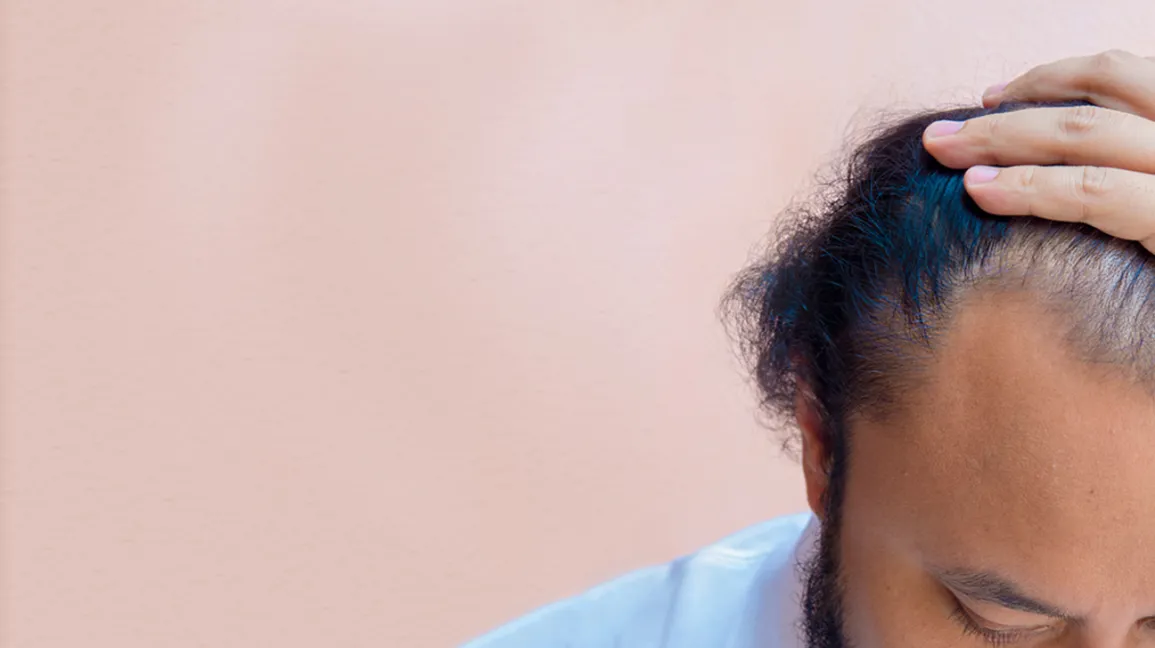
Hair thinning can be frustrating, especially when it seems to happen without an obvious explanation. You might notice more strands collecting in your shower drain, a widening part, or a ponytail that feels noticeably smaller than it used to.
While hair thinning is often associated with aging, the reality is more complicated. Stress, hormonal changes, nutritional deficiencies, rapid weight loss, and genetics can all influence how hair grows and sheds.
Understanding these factors is the first step toward developing a healthier hair-care routine. Here are seven common causes of hair thinning, what they mean for your hair follicles, and practical ways to support healthier-looking hair.
1. Chronic Stress Can Disrupt the Hair Growth Cycle
Stress affects more than your mood and energy levels. It can also influence the natural cycle that determines when individual hair follicles grow, rest, and shed.
Hair typically moves through three major phases:
- Anagen: The active growth phase, which can last several years.
- Catagen: A short transitional phase when active growth stops.
- Telogen: The resting phase, after which the hair eventually sheds.
Significant physical or emotional stress can trigger a condition called telogen effluvium. This occurs when more follicles than usual enter the resting phase, potentially causing noticeable shedding several months after the stressful event.
Major life changes, illnesses, surgery, and prolonged psychological stress can all contribute.
What You Can Do
Managing stress doesn’t guarantee that hair thinning will stop, but it can support overall health and recovery.
Regular exercise, consistent sleep schedules, relaxation techniques, and adequate nutrition are useful starting points.
If shedding begins after a particularly stressful period, consider whether it coincides with other changes in your health or routine. Stress-related shedding is often temporary, although recovery can take several months.
2. Hormonal Changes May Affect Hair Density
Hormones play an important role in regulating hair growth.
One hormone involved in certain forms of hair thinning is dihydrotestosterone, commonly known as DHT. This hormone is associated with androgenetic alopecia, a hereditary condition that can cause progressive thinning in both men and women.
In susceptible individuals, DHT can gradually shrink hair follicles, producing finer and shorter strands over time.
Hormonal fluctuations during pregnancy, postpartum recovery, perimenopause, and menopause can also affect hair density.
Thyroid disorders are another possible contributor because thyroid hormones help regulate many biological processes, including hair growth.
What You Can Do
The most effective approach depends on the underlying cause.
If thinning follows a recognizable pattern, such as a widening part or receding hairline, a dermatologist can help determine whether hereditary hair loss is involved.
For sudden or widespread shedding, a healthcare professional may recommend evaluating thyroid function, nutritional status, or other potential contributors.
Understanding whether the problem is hormonal, temporary, or hereditary helps prevent unnecessary spending on products that may not address the underlying issue.
3. Nutritional Deficiencies Can Affect Hair Health
Hair follicles are metabolically active structures that require a steady supply of nutrients.
Protein, iron, zinc, and certain vitamins all contribute to normal biological processes involved in hair growth.
When the body lacks essential nutrients, hair growth may become less of a priority than maintaining other physiological functions.
Iron deficiency is one potential contributor to excessive shedding, particularly among individuals with heavy menstrual bleeding or restrictive diets.
Low protein intake can also affect hair because the hair shaft is primarily composed of keratin, a structural protein.
Zinc deficiency and certain other nutritional deficiencies may contribute to hair problems as well.
However, taking more vitamins than your body needs doesn’t necessarily produce thicker hair. Excessive intake of some nutrients, including vitamin A and selenium, can actually contribute to hair loss.
What You Can Do
Start with a balanced diet containing adequate protein, vegetables, fruits, whole grains, and healthy fats.
Foods such as eggs, legumes, seafood, nuts, and lean meats can provide nutrients involved in maintaining normal hair health.
If you suspect a deficiency, consider discussing laboratory testing with a healthcare professional before beginning high-dose supplementation.
For individuals interested in additional nutritional support, a thoughtfully formulated hair supplement may be worth discussing with their clinician.
The Absorption Company, for example, offers a hair growth supplement containing saw palmetto, pea-sprout extract, ashwagandha, silica, and vitamins and minerals selected for hair-health support.
As with any supplement, effectiveness depends on individual circumstances, and supplementation should not replace diagnosis or treatment of an underlying medical condition.
4. Rapid Weight Loss Can Trigger Temporary Shedding
Losing a significant amount of weight over a short period can sometimes affect hair growth.
This is particularly relevant when weight loss involves a substantial calorie deficit, inadequate protein intake, or major changes in eating habits.
Rapid weight loss places physiological demands on the body. In some individuals, this can trigger telogen effluvium, resulting in increased shedding several months later.
The issue isn’t necessarily weight loss itself. Rather, the combination of metabolic stress and insufficient nutritional intake may disrupt the normal hair cycle.
This phenomenon can occur after bariatric surgery, restrictive dieting, or other circumstances involving substantial weight changes.
What You Can Do
Prioritize adequate nutrition during weight management.
Maintaining sufficient protein intake and avoiding unnecessary nutrient deficiencies can help support normal bodily functions.
If you’re following a medically supervised weight-loss program, ask your healthcare team whether your dietary intake meets your nutritional needs.
It’s also important to recognize that hair growth happens slowly. Even after a nutritional problem is corrected, visible improvements may take several months.
5. Genetics Can Influence Hair Thickness and Growth
Some people naturally have finer hair, while others develop progressive thinning because of inherited characteristics.
Androgenetic alopecia is among the most common causes of hair loss.
It can affect people of different ages and sexes, although its appearance varies.
Men may notice recession around the temples or thinning at the crown. Women more commonly experience diffuse thinning over the top of the scalp or a widening part.
Genetics influences how susceptible individual follicles are to hormonal signals, including DHT.
Unlike temporary shedding caused by stress or illness, hereditary hair loss often progresses without appropriate treatment.
What You Can Do
Pay attention to gradual changes in your hairline, part width, and overall density.
Taking photographs under consistent lighting every few months can help you recognize patterns that might otherwise be difficult to notice.
A dermatologist can evaluate your scalp and discuss evidence-based options, including topical minoxidil and other treatments when appropriate.
Early evaluation is particularly useful because treatment is often more effective at preserving existing hair than restoring follicles after advanced miniaturization.
6. Hair Styling Habits Can Contribute to Breakage
Not every apparent loss of hair density begins inside the follicle.
Sometimes hair looks thinner because individual strands are breaking along their lengths.
Frequent heat styling, chemical treatments, aggressive brushing, and repeated bleaching can weaken the hair shaft.
Tight hairstyles can also create prolonged tension around the follicles.
Over time, this may contribute to traction alopecia, a form of hair loss associated with repeated pulling on the hair.
Common examples include tightly secured ponytails, braids, extensions, and other styles that place continuous tension on the scalp.
What You Can Do
Consider adjusting your styling routine if you notice broken strands, scalp tenderness, or thinning around the hairline.
Reducing excessive heat exposure, using conditioner, detangling gently, and avoiding consistently tight hairstyles can help minimize preventable damage.
When using heat tools, choose appropriate temperatures and apply a heat protectant.
If you notice thinning around areas where your hair is frequently pulled, consider changing the hairstyle before the damage becomes more persistent.
Healthy hair care is not just about encouraging growth. It’s also about protecting the strands you already have.
7. Scalp Conditions Can Interfere With Healthy Hair Growth
The scalp provides the environment in which hair follicles function.
Inflammation, irritation, and certain skin conditions can contribute to shedding or changes in hair density.
Seborrheic dermatitis, psoriasis, fungal infections, and other scalp disorders may cause itching, flaking, redness, or discomfort.
Some inflammatory conditions can damage follicles if left untreated.
A persistently irritated scalp shouldn’t automatically be dismissed as ordinary dandruff, especially when symptoms appear alongside noticeable hair loss.
What You Can Do
Choose hair-care products suited to your scalp and avoid harsh treatments that worsen irritation.
If flaking or itching persists, a healthcare professional can help identify the cause and recommend appropriate treatment.
Seek medical evaluation promptly if hair loss appears in patches or is accompanied by pain, significant redness, scaling, or scarring.
Maintaining scalp health is an important component of a comprehensive hair-care routine, but it isn’t a substitute for addressing genetic, hormonal, or nutritional causes of thinning.
How Long Does It Take to Notice Healthier Hair?
One of the most important things to understand about hair growth is that meaningful changes rarely happen overnight.
Scalp hair grows approximately half an inch per month on average, although individual growth rates vary.
Because follicles operate on extended biological cycles, changes in shedding and density may take months to become noticeable.
Someone recovering from temporary stress-related shedding may begin noticing new growth as the underlying trigger resolves.
Someone experiencing hereditary thinning may require ongoing treatment to maintain results.
The timeline also depends on the cause, severity, and duration of the problem.
Be cautious about products promising dramatic regrowth in just a few days. Hair biology simply doesn’t operate that quickly.
Building a Sustainable Hair Wellness Routine
Rather than searching for a single miracle solution, consider approaching hair health through several complementary habits.
Prioritize nutrition. Eat enough protein and maintain a varied diet that provides essential vitamins and minerals.
Manage stress. Establish routines that support sleep, physical activity, and emotional well-being.
Protect existing strands. Limit excessive heat, harsh chemical treatments, and hairstyles that repeatedly pull on the scalp.
Pay attention to your scalp. Address persistent irritation or inflammation instead of ignoring it.
Consider targeted supplementation when appropriate. Supplements may help address specific nutritional needs, but they aren’t a universal solution for every form of hair thinning.
Seek professional guidance. Sudden, persistent, or progressive hair loss deserves an appropriate medical evaluation.
Consistency matters more than constantly changing products. A sustainable routine also makes it easier to identify which interventions are genuinely helping.
Final Thoughts
Hair thinning can result from several overlapping factors, including stress, hormonal changes, genetics, nutrition, and physical damage.
The most effective response begins with identifying the underlying cause rather than assuming every form of hair loss requires the same solution.
For some people, improving nutrition and reducing unnecessary stress may be helpful. Others may benefit from medical treatment, adjustments to their hair-care habits, or targeted nutritional support.
Whatever approach you choose, remember that hair growth is a gradual biological process.
A consistent routine, realistic expectations, and an understanding of your individual needs offer a stronger foundation for long-term hair health than quick fixes or exaggerated promises.
