

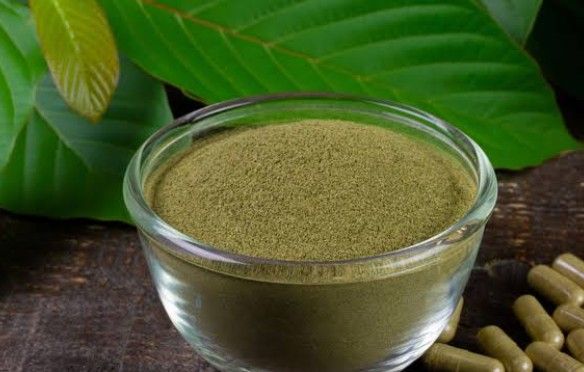
Kratom, the common name for Mitragyna speciosa, is a tropical plant native to Southeast Asia where its leaves have been used traditionally for centuries. In more recent decades, it has attracted significant attention in Western markets, generating both substantial consumer interest and ongoing regulatory debate. Among the various kratom products available, kratom extract has become a prominent category, offering a different concentration profile from standard kratom powder and appealing to a distinct segment of buyers.
Understanding what kratom extract actually is, how it is made, how it differs from conventional kratom powder, and what responsible purchasing looks like requires moving past marketing language to engage with the actual pharmacology and product characteristics involved.
What Kratom Is and Its Active Compounds
Mitragyna speciosa is a member of the coffee family. Its leaves contain a range of alkaloids, with mitragynine and 7-hydroxymitragynine being the primary active compounds. These alkaloids interact with opioid receptors in ways that produce effects that vary with dose, with lower amounts reported to have stimulant properties and higher amounts associated with sedating effects.
The alkaloid content of kratom leaves varies with factors including the strain, the region of origin, the age of the plant, and the processing method applied to the leaves after harvest. Standard kratom powder is simply dried and ground leaf material, preserving the natural alkaloid ratios of the source material. The quality and potency of powder therefore varies considerably between sources and batches.
What Kratom Extract Is and How It Differs
Kratom extract is a product in which the alkaloid content has been concentrated relative to standard leaf powder through an extraction process. The goal of extraction is to produce a material with higher alkaloid density per unit of weight than raw powder, which means effective quantities are smaller by volume or mass.
The extraction process typically involves using a solvent, often water or alcohol, to draw alkaloids out of the plant material, then concentrating and drying the resulting solution into a powder or resin. The concentration factor is often expressed as a multiplier on the packaging, such as 10x or 50x, indicating that the extract has been concentrated from ten or fifty times the corresponding amount of leaf material. It is worth noting that these designations are not standardised across the industry and buyers should treat them with appropriate caution as indicators of relative rather than absolute potency.
Kratom extract products differ from standard powder in several practically significant ways. Because of the higher alkaloid concentration, smaller amounts are needed for a given effect. This changes the economics of use for regular buyers and affects how the product is typically sold and packaged.
What to Look for When Purchasing Kratom Extract
The kratom market is not uniformly regulated, and product quality varies significantly across vendors. Responsible purchasing requires paying attention to several quality indicators that distinguish more reliable suppliers from those who offer less transparency about their products.
Third-party laboratory testing is the most important quality indicator available to buyers. Reputable vendors make certificates of analysis from independent laboratories available for their products, showing the alkaloid content and confirming the absence of adulterants, heavy metals, and microbial contamination. Products sold without accessible testing documentation represent a higher risk than those from vendors who provide this information as standard.
Source transparency is also meaningful. Vendors who disclose the geographic origin of their Mitragyna speciosa material, provide information about their supply chain, and can speak to how leaves are harvested and processed are offering more accountability than those who provide no information about sourcing.
The kratom extract category on established platforms provides buyers with a range of product options, and evaluating them against quality criteria such as testing documentation and sourcing information helps identify the more responsible vendors within the market.
Packaging and labelling quality, while not a direct measure of product quality, often correlates with the seriousness with which a vendor approaches their operation. Clear ingredient information, proper labelling, batch identification numbers, and appropriate product descriptions are indicators of a vendor who has invested in professional operations.
Legal Status and Regulatory Context
The legal status of kratom varies significantly by jurisdiction and has been the subject of considerable regulatory activity. In the United States, kratom is legal at the federal level but has been banned or restricted in a number of states and localities. International regulatory situations vary by country, with some jurisdictions treating it as a controlled substance.
Buyers are responsible for understanding the legal status of kratom in their specific location before purchasing. Reputable vendors provide information about legal restrictions and in many cases implement purchasing controls that prevent sales to buyers in jurisdictions where the product is restricted.
Regulatory discussions around kratom continue to evolve, with proposals ranging from outright prohibition to consumer protection frameworks that would establish quality and labelling standards similar to those applied to dietary supplements. Staying informed about the regulatory status in your jurisdiction is part of responsible consumer behaviour in this category.
Dosage Considerations and the Importance of Starting Low
Because kratom extract is significantly more concentrated than standard powder, the appropriate quantity for a given experience is substantially smaller. Buyers transitioning from powder to extract, or trying a new extract product for the first time, should start with a notably smaller quantity than they would use of a powdered product and allow adequate time to assess effects before considering any adjustment.
Individual responses to kratom alkaloids vary considerably, which reinforces the importance of a cautious approach when trying any new product or potency level. Factors including body weight, tolerance developed through prior use, and individual variation in receptor sensitivity all affect how a person responds to a given quantity.
Frequently Asked Questions
What is the difference between kratom powder and kratom extract?
Kratom powder is simply dried, ground kratom leaf. Kratom extract has been processed to concentrate the alkaloids, resulting in a higher alkaloid density per unit of weight. Smaller amounts of extract produce effects compared to a corresponding amount of powder.
Are the potency designations on kratom extract products reliable?
Not uniformly. Designations like 10x or 50x are not standardised across the industry and should be treated as rough indicators of relative concentration rather than precise measures. Third-party testing documentation provides more reliable information about alkaloid content.
What should I look for in a kratom extract vendor?
Third-party laboratory testing documentation, transparent sourcing information, clear labelling, and a track record in the market are the primary indicators of a responsible vendor.
Is kratom extract legal in my area?
Legal status varies by state and country. It is the buyer’s responsibility to confirm the legal status of kratom in their specific jurisdiction before purchasing.
How should kratom extract be stored?
Kratom extract should be stored in a cool, dry place away from direct light. Proper storage helps maintain alkaloid stability and extends product shelf life.
