

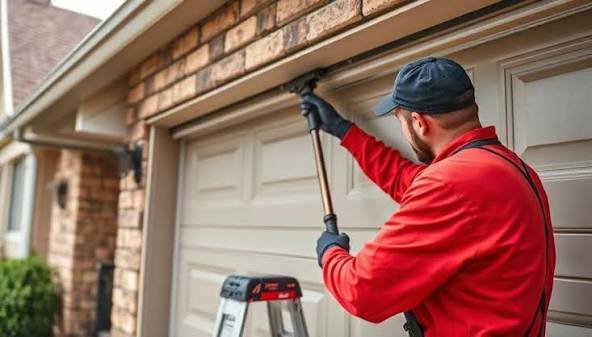
North Texas weather can take a toll on garage doors. Heat softens vinyl weatherstripping, dust dries out rollers, and fast-moving storms can jolt opener electronics. When a door sticks, reverses without closing, or makes a sharp bang, a little informed troubleshooting can help you understand what is safe to try and what needs a professional. This guide covers early symptoms, the most common culprits in our climate, a few safe tests, repairs you shouldn’t attempt yourself, and seasonal maintenance that actually prevents trouble. The goal isn’t to turn you into a technician, but to help you spot the difference between a loose photo eye bracket and a fatigued torsion spring before your car gets stranded in the garage.
1. Early Symptoms You Can Safely Check
A sudden loud bang followed by a door that is too heavy to lift often points to a broken torsion spring. A chattering squeal when the door rolls up suggests dry or worn rollers. Intermittent reversing right at the floor can be a photo eye issue, especially when the sun hits the sensors late in the afternoon. In older neighborhoods around Mesquite, TX, storm-warped panels can bind as they curve into the track, and a bent hinge can make the door shudder during movement.
Look for frayed lift cables near the drum, gaps under the door from a compressed bottom seal, and track brackets that have loosened out of the jamb or header. If the opener runs but the chain or belt does not move, the motor’s drive gear may be stripped. If the opener hums and clicks off, a thermal overload or a bound door could be stopping it. These symptoms offer clues about the underlying fault and help you avoid unsafe attempts.
2. Why North Texas Conditions Cause These Problems
Heat and UV age vinyl weatherstripping and bottom seals, making them brittle and leaky; once the seal flattens, dust and moisture get into the tracks and bearings, accelerating wear on rollers and hinges. High attic and garage temperatures also thin common spray lubricants, so metal-on-metal contact points, like the center bearing plate and hinge knuckles, run dry by late summer. Over time, friction increases the load on torsion springs, hastening fatigue and shortening cycle life.
Wind and hail season bring their own stresses. A gust that flexes a wide double door can tweak the vertical tracks or bow a lightweight section, causing the rollers to rub and pop. Lightning and power surges can damage an opener’s circuit board or disrupt travel limits and force settings. Even seasonal sun glare can saturate one photo eye, making the opener think something is in the way, so the door refuses to close unless you hold the wall button.
3. Quick, Safe Checks Before You Call
First, visually inspect the door and springs while it’s fully closed. If a spring looks broken, a cable is loose, or the door looks crooked, don’t disconnect the opener; try to lift the door. If there is no visible damage or unusual resistance, a balance test can help identify spring problems, but it is safer to have a technician do it if you are unsure. Next, clean the photo eyes with a soft cloth and confirm both LEDs are solid. Make sure the sensor brackets are aligned and 4 to 6 inches above the floor, not twisted or touching the wall.
Watch the opener’s rail as it runs. A chain that slaps the rail is too loose; a belt with visible cords may be failing. Do not tighten either excessively to mask a heavy door, because that strains the gear and can hide a binding track. If the door touches the floor and bounces back up, your down limit may be set too far, causing the opener to think it hit an obstacle. You can also place a scrap piece of 2×4 lumber flat under the door and close it; the door should reverse on contact. If it isn’t using the opener, have it serviced.
4. Repairs to Leave to a Pro and Why They Matter
Torsion spring work is dangerous without the right winding bars, cones, and procedure. Springs store enough energy to cause serious injury, and a mismatched wire size or wrong spring length can ruin the opener or the door. Rehanging a cable on the drum with the door up can cause the door to crash down. Straightening a bent track under load or loosening the center bearing plate can let the shaft jump, sending the system out of alignment. A technician should handle panel replacement, adding struts to a flexing top section, and resetting travel and force on a new op, since they can weigh the door, match springs to the door’s mass, and calibrate safety systems. Trade-offs to consider: nylon rollers with sealed bearings run quieter than steel rollers in attached garages, but garage temperatures may shorten nylon’s lifespan. Insulated steel doors reduce heat transfer into the garage, but their extra weight requires updated springs and sometimes higher-capacity openers.
Prevention That Works in Our Climate
Once or twice a year, wipe the tracks with a dry cloth to remove grit, but do not grease them; the rollers need clean steel to run on. Apply a light silicone or lithium spray designed for garage doors to accessible hinge pins and roller stems, following the manufacturer’s instructions and keeping clear of cables, springs, and other components under tension. Have a technician inspect and tighten structural track brackets and opener mounting hardware so the door does not shift under wind load. Inspect the bottom seal and perimeter weatherstripping each spring and fall; replace flattened or cracked vinyl before dust and heat dry out your hardware again.
If late-day sunlight triggers your photo eyes, consider protective hoods that shield the sensors from direct glare while keeping them properly aligned. Protect the opener with surge protection to guard its logic board during thunderstorms. If your chain drive rattles a bedroom wall, a belt drive unit can reduce noise, but make sure the door’s weight and cycle count justify the upgrade. After any door insulation retrofit, have the springs recalibrated so the door remains properly balanced. Finally, avoid common mistakes like spraying household solvent on tracks, pulling the red release when the door is up, or forcing a door that has come off its track.
Two realistic scenarios to keep in mind: A weekday morning bang followed by a door that remains completely still is likely a broken spring, and the safest response is to leave the door closed until a technician replaces and balances the necessary springs. After a minor parking mishap kinks the vertical track, resist the urge to bend it back. The track guides and supports the door’s weight; forcing it can cause a roller to pop and the section to bind, risking a fall and more costly damage. With simple safety checks and care suited to local weather conditions, you keep small issues from becoming driveway emergencies.
