

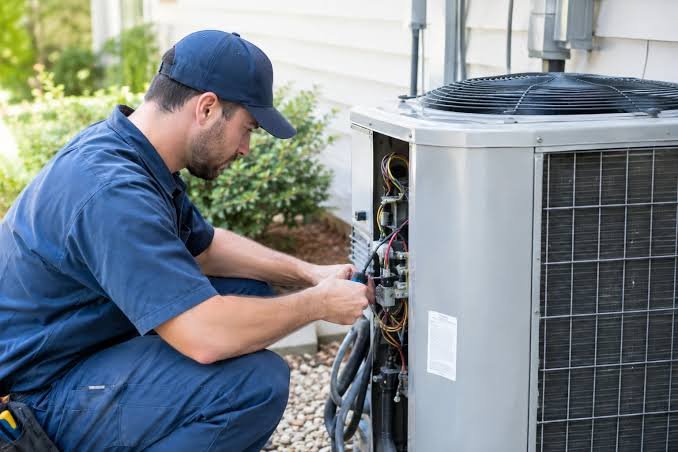
When North Texas heat pushes your air conditioner to work at full tilt, small issues inside the system can quickly become big comfort problems. Before frustration sets in, it helps to recognize telltale symptoms, connect them with likely causes, and run a few safe, at-home checks. This guide focuses on practical diagnostics for central air systems common in Frisco homes, including split systems with an outdoor condenser and an indoor air handler or furnace with an evaporator coil. Use these steps to understand what is happening and to decide when it is time to schedule professional service.
1. Early Cooling Symptoms You Can Identify at Home
Start with what you can see, hear, and feel. Warm air from supply vents with the indoor blower running often points to an outdoor condenser that is not cooling. Short cycling, where the system turns on and off every few minutes, may indicate airflow problems, thermostat placement issues, or a failing component like a capacitor. Frost on the larger insulated refrigerant line, water near the indoor unit, a musty smell, or higher-than-normal indoor humidity are additional clues that help narrow the cause.
Two quick scenarios illustrate why these details matter. If the outdoor unit is quiet while the indoor fan runs, you might be dealing with a tripped breaker, a failed contactor, or a safety switch that cut power to the condenser. If you hear a steady hum outside but the fan blade does not spin, a weak dual capacitor could be preventing the compressor or fan motor from starting. In a heat wave, it can be tempting to go straight to scheduling help through resources such as Ac Repair in Frisco, but a few safe checks first may save time and clarify what you report to the technician.
2. What Those Symptoms Usually Point To Inside Your System
Warm air at the vents while the indoor blower runs commonly means the refrigerant circuit is not removing heat. A silent outdoor unit can trace to a tripped breaker, a pulled condenser disconnect, or a failed contactor. A humming condenser with no fan movement suggests a failing capacitor or a seized fan motor. Short cycling can result from a clogged filter, a dirty evaporator coil, thermostat placement in direct sun, or even an oversized system that cools too quickly without dehumidifying. High indoor humidity, even when the thermostat says you are at setpoint, can stem from low airflow, a misconfigured blower speed, or a system that is too large for the ductwork’s static pressure.
Ice on the suction line or evaporator coil signals insufficient heat absorption. That often comes from restricted airflow caused by a dirty filter, closed supply registers, or undersized return ducts. It can also result from low refrigerant due to a leak. Water around the indoor unit points to a clogged condensate drain line, a stuck float switch, or a pan overflow. Musty odors after the system cycles may indicate growth on a wet evaporator coil or inside ducts with chronic condensation. These relationships matter because airflow, refrigerant charge, and drainage all interact: higher static pressure from restrictive filters reduces coil temperature, increasing the chance of icing; iced coils block airflow further, making the problem cascade.
3. Safe Checks Before You Call an HVAC Technician
Check the basics first. Replace a dirty 1-inch filter and make sure the airflow arrow points toward the air handler. Very high MERV filters capture more particles but can raise static pressure; MERV 8 to 11 is a practical range for many systems without choking airflow. Open closed supply registers and verify return grilles are not blocked by furniture. At the thermostat, ensure Cool mode, a temperature set below room temp, and the fan set to Auto. If the thermostat sits near a west-facing window or lamp, it might be ending cycles early; shielding it from direct heat or adjusting the setpoint a few degrees can help diagnose whether placement is part of the issue.
Head outside and clear leaves and grass clippings from the condenser coil. With power off at the disconnect, gently rinse coil fins with a low-pressure garden hose held at a shallow angle, avoiding fin damage. Do not use a pressure washer. Indoors, inspect the condensate drain where it exits near the outdoor unit or a sewer connection. If water is pooling, a wet/dry vacuum on the drain line outside can pull clogs, followed by a cup of distilled vinegar to discourage buildup. If you see frost on the large insulated line, turn the system off and set the blower to On to thaw the coil, then wait until all ice is gone before trying to cool again.
4. When You Should Stop Troubleshooting and Book Service
Stop DIY checks and schedule service if breakers keep tripping, the outdoor unit hums but the fan does not spin, you smell burnt wiring at the air handler, or ice returns after a full thaw and a clean filter. Refrigerant issues require specialized gauges and certification to correct, and running a compressor with low charge can damage it. Similarly, a failing capacitor, pitted contactor, or blower motor problem is not a safe home fix. If water has overflowed a condensate pan or a float switch has shut the system down, keep power off until the drain is cleared to avoid ceiling or equipment damage.
Preventing Repeat AC Failures in North Texas Heat
Prevention starts with airflow. Replace 1-inch filters monthly during peak cooling or as soon as they look loaded; for thicker media filters, follow the manufacturer’s interval but still inspect regularly. Balance filtration against airflow: extremely dense filters and closing vents to force more air to a room both increase static pressure, which can chill the evaporator coil too much, freeze it over, and stress the blower motor. Keep at least 2 feet of clearance around the condenser, and trim shrubs back before summer. Inside, make sure the attic hatch is sealed and returns are unobstructed to prevent the system from pulling superheated attic air.
Moisture control matters as much as temperature. Ask a technician during routine maintenance to verify blower speed, measure static pressure, and confirm refrigerant charge by superheat or subcooling, not just by feel. Have the evaporator coil and condenser coil cleaned when dirty fins or matted dust are visible. Flush the condensate drain with vinegar every few months, and confirm a float switch is installed to shut the system down before a leak becomes a flood. If a west-facing room stays warm daily, consider duct improvements or a dedicated return rather than closing other vents, which creates new problems while barely helping the target room.
Recognizing how symptoms connect to causes helps you describe the problem clearly and avoid damaging trial-and-error. A clean filter, open registers, a defrosted coil, and a clear drain often restore cooling, but persistent issues like repeated breaker trips, a silent condenser, or visible ice after basic checks call for professional diagnostics. With a short checklist, a few careful observations, and timely maintenance, you can keep your system working steadily through the toughest stretches of Texas summer.
