

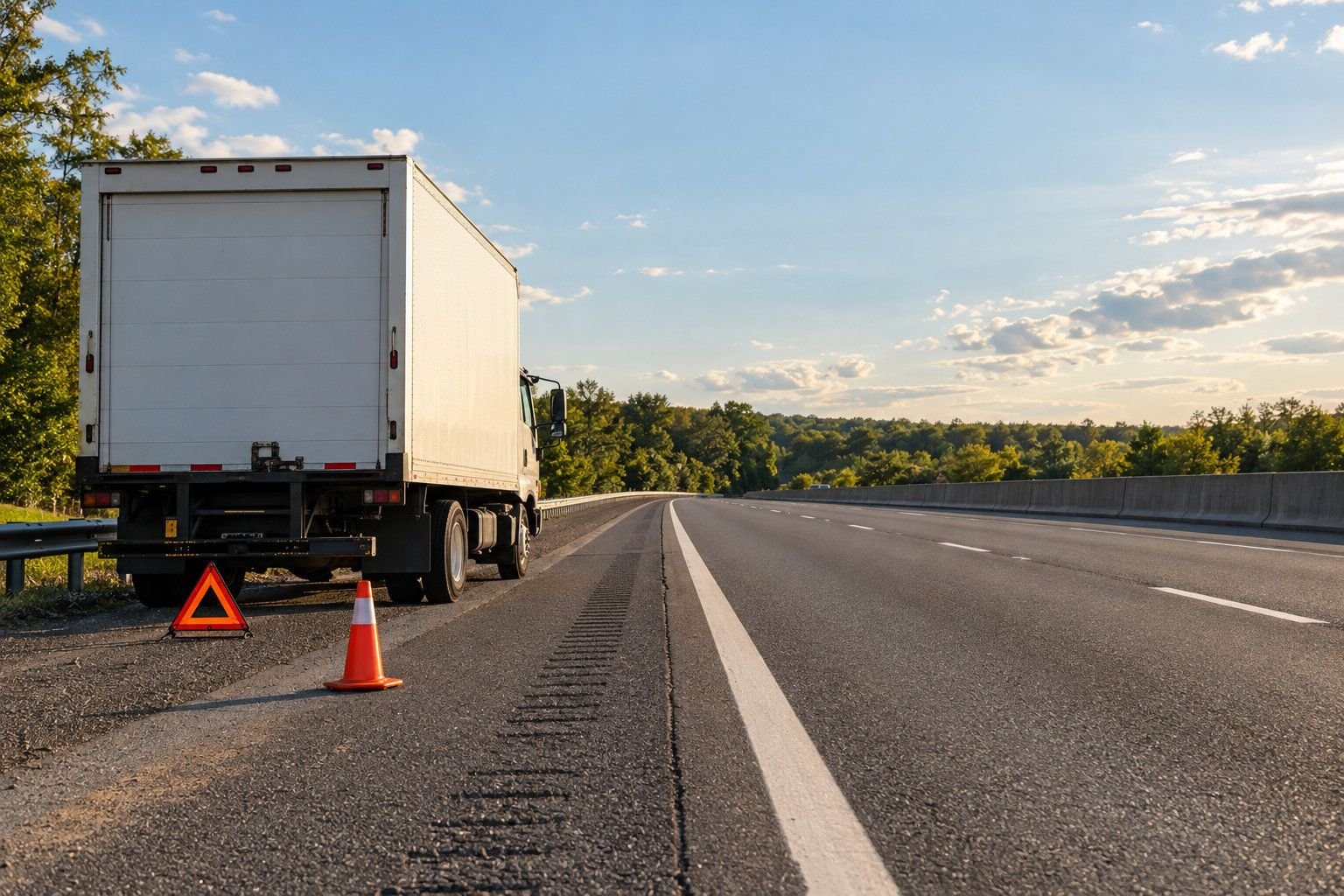
This article explores the specific liability risks that delivery fleets face when truck accidents occur along Routes 4 and 17 in Bergen County’s busiest retail corridors. It examines why truck traffic is so heavy in this region, circumstances under which companies may be responsible for accidents, how tight delivery schedules raise risks, and what actions fleet operators can take to limit exposure.
Truck accidents on Routes 4 and 17 have become a growing concern for delivery businesses operating in Paramus and greater Bergen County. The dense concentration of shopping centers, combined with increasing ecommerce demand, means delivery fleets navigate congested routes daily. When accidents occur in these corridors, issues of business liability and legal responsibility come to the forefront. In serious incidents involving injuries or property damage, companies may need to consult with professionals such as a Paramus truck accident lawyer to understand their potential exposure and to ensure their risk management strategies are effective.
Why are Bergen County’s retail corridors so heavy with delivery truck traffic?
Bergen County is recognized for its array of large retail centers and malls, especially along Routes 4 and 17 and in Paramus. Popular destinations like Garden State Plaza and Bergen Town Center bring thousands of shoppers into the region, creating high demand for goods and rapid restocking. Delivery trucks fill the roads from early morning to late evening to supply stores and fulfill online orders.
This intense retail activity leads to nearly constant deliveries, with vehicles maneuvering through congested intersections and limited loading zones. The growth of online shopping has only increased volume, as retailers compete to meet same-day or next-day expectations. The unique geography and infrastructure of these retail corridors make vehicle movement more challenging, contributing to complex traffic patterns and a higher risk of accidents.
When is a company responsible for crashes caused by its delivery drivers?
Delivery companies that operate in Bergen County may be held liable if an accident occurs while a driver is performing duties on behalf of the business. Even when the crash happens off company property, liability can rest with the company if the driver acts in the scope of employment or drives a company vehicle. The company’s degree of control over drivers matters: the distinction between employees and independent contractors is important when determining fault.
Legal responsibility can increase if an accident results from the company’s own practices, such as improper hiring, lack of training, or neglecting safety oversight. If investigations reveal that risky behaviors were overlooked or that drivers were insufficiently monitored, the company’s liability can increase. Courts, insurers, and regulatory authorities often review hiring protocols, training records, and supervision policies during their assessments.
How do tight delivery schedules contribute to truck accidents?
Strict delivery windows are a hallmark of retail logistics in Paramus and along Routes 4 and 17. Drivers are frequently under time pressure, which can lead to unsafe choices on the road. In order to meet deadlines, drivers might speed, take less secure routes, or forego breaks, increasing their likelihood of fatigue or distraction.
Company policies that incentivize fast deliveries or rely on aggressive quotas sometimes encourage drivers to prioritize speed above safety. The pressure to maximize productivity is amplified by digital dispatch systems and real-time tracking. In the high-traffic setting of Bergen County’s retail corridors, these factors can significantly contribute to the occurrence of truck accidents.
What can fleet operators do to reduce accident risk and liability?
There are practical steps fleet operators can implement to lower both accident risks and potential legal exposure. Careful hiring and rigorous driver screening protocols are essential to ensure safe operation. Providing ongoing safety training and clear policies on responsible driving help reinforce good habits. Regularly maintaining vehicles and analyzing driver data can catch risks before they escalate.
Monitoring technology, like telematics, allows for active oversight of driving behavior and ensures accountability. Setting attainable delivery schedules, instead of demanding overly ambitious ones, can reduce the incentive for risky behavior. Most importantly, even when working with third-party contractors, companies should enforce the same standards as they would for employees. Strong risk management practices in Paramus and throughout Bergen County retail corridors can make a meaningful difference in reducing liability and supporting road safety.
