

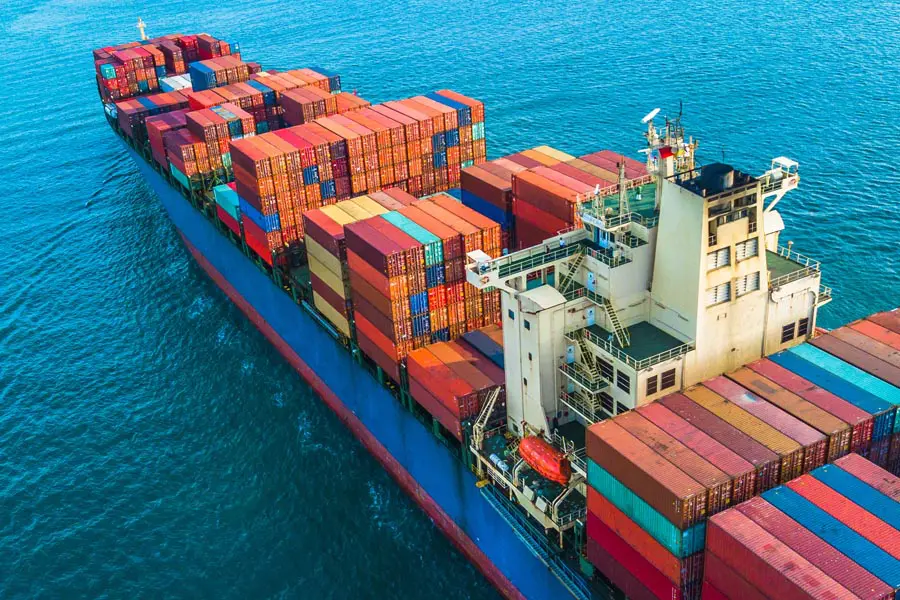
When goods leave your warehouse, their journey may involve loading, transport, storage, transhipment, and delivery. Each stage can expose cargo to different transit risks. Marine insurance can provide cover for insured goods against specified transit risks, depending on the policy terms. For businesses moving valuable goods, understanding the scope of marine cargo insurance can help when deciding what cover is relevant to a particular shipment.
Why Can a Cargo Journey Involve Different Risks?
Think about an export consignment travelling from an Indian warehouse to an overseas buyer. The goods may first move by road, reach a port, be loaded onto a vessel, and then continue through another transport network after arrival.
The risks can change at each stage. Cargo could be physically damaged during handling, affected by a covered event during transit, or subjected to circumstances addressed by specific policy conditions. The Marine Insurance Act, 1963 recognises loss caused by a peril insured against, while also setting out circumstances where certain losses may not be covered unless the policy provides otherwise.
That is why the route, nature of the goods, and wording of the policy matter when you assess marine cargo insurance.
What Can Marine Cargo Insurance Cover?
Here is what may be covered:
| Cargo consideration | What the Policy May Address |
| Physical loss or damage | Loss or damage to insured goods caused by a peril covered under the policy |
| Transit | Risks affecting cargo during the insured journey, subject to the stated scope of cover |
| Transhipment | Certain transhipment situations where the policy terms allow cover to continue |
| Partial loss | A loss affecting part of the insured subject matter, where covered under the policy |
| Total loss | An actual or constructive total loss, where the applicable conditions are met |
A marine cargo policy can also specify when cover begins and ends.
Which Factors Can Affect the Marine Insurance Premium?
The premium is linked to the risk being insured and the terms selected. When reviewing a policy, consider details such as:
- Nature of goods:The type, value, fragility, and handling requirements of your cargo can affect the terms offered.
- Transit route:The journey, destination, and stages involved can influence the risk associated with the shipment.
- Transport mode:Road, rail, air, sea, or a combination of modes can involve different transit conditions.
- Scope of cover:The risks included in the selected cover can affect the premium and applicable conditions.
- Packaging:How goods are packed and prepared for transit can be relevant to the circumstances surrounding any loss or damage.
- Shipment pattern:Businesses with regular movements may use arrangements that differ from cover for an individual shipment, depending on the policy.
The premium should therefore be considered alongside the cargo and journey being insured, rather than as an isolated figure.
What Should You Look at Before Choosing a Cover?
Before arranging marine insurance, note the details that define your shipment:
- Where will the goods start and finish?
- Which transport modes will be involved?
- Will the cargo be stored or transhipped during the journey?
- What is the value and nature of the goods?
- What risks are included or excluded?
- What deductible, limits, and conditions apply?
- When does the cover begin, and when does it end?
These details can make a difference to whether the policy wording corresponds with the journey you actually intend to insure.
What Should You Know About Marine Insurance Claims?
If cargo is lost or damaged, the circumstances of the incident matter. A loss does not automatically establish that a claim is payable. The relevant policy determines the insured perils, exclusions, conditions, and applicable claim requirements.
You should therefore refer to your policy documents for the requirements relating to notification and supporting records. Documents such as invoices, transport records, packing details, and evidence relating to the condition of the goods may be relevant, depending on the circumstances and policy terms.
Conclusion
A lower premium may seem appealing, but it is worth knowing what you are paying for. If your goods pass through several locations or change transport modes, check whether the marine insurance policy covers the relevant stages of the journey. Pay attention to exclusions, deductibles, and the conditions that apply if something goes wrong.
