
Close Menu
CEOColumnCEOColumn
    What's Hot

    Choosing the Right Sand & Gravel Supplier for Strong, Sustainable, and Long-Lasting Outdoor Projects

    May 13, 2026

    Why Cannabis Genetics Have Become a Competitive Business Advantage

    May 13, 2026

    The Power of Templates and Checklists in High- Volume Sports Operations: Randy NG’s Insights

    May 13, 2026
    Facebook X (Twitter) Instagram
    Facebook X (Twitter) Instagram
    CEOColumnCEOColumn
    Subscribe
    • Home
    • News
    • BLOGS
      1. Health
      2. Lifestyle
      3. Travel
      4. Tips & guide
      5. View All

      Why Board Certified Vein Treatment Reduces Risks and Recurrence

      May 12, 2026

      How a CBSE School in Mumbai Prepare Students for Future Careers

      May 12, 2026

      Why Parent Communication Matters in Pre-Primary Education in Pune?

      May 12, 2026

      How Functional Wellness Products Are Reshaping Consumer Health Trends

      May 11, 2026

      Smart Ways to Improve Your Home’s Interior Flow and Design

      May 7, 2026

      Top Skills You Learn in a Greenville Cosmetology Program

      May 5, 2026

      Leicester Sees Surge in Student Housing Demand as International Growth Drives 2026 Market Shift

      May 4, 2026

      How Long Does Balayage Last? Expert Maintenance Tips From Chicago Colorists

      May 4, 2026

      What the Most Organized HOAs, Schools, and Churches Have in Common

      May 11, 2026

      7 Budget Travel Hacks Backpackers Are Using to Stretch Their USA Trip Without Losing Connectivity in 2026

      May 6, 2026

      First-Timer’s Guide to Staying in an Indian Hostel: What to Expect, Pack & Watch Out For

      April 25, 2026

      How to Build a Smarter Executive Travel Policy

      April 25, 2026

      Nighttime Skincare Routine: 5 Steps to Unlock Your Skin’s Overnight Regeneration

      May 4, 2026

      How does spousal support become a defining factor in family cases in Woodridge, IL?

      April 24, 2026

      The Biggest Misconceptions About Uber Accident Claims in Arlington, TX

      April 24, 2026

      How Quiet Is the ResMed AirSense 11?

      April 23, 2026

      Why Cannabis Genetics Have Become a Competitive Business Advantage

      May 13, 2026

      Body Lift Surgery: A Complete Guide for Patients Considering Total Body Contouring

      May 12, 2026

      What Should A Good Maternity Health Insurance Cover?

      May 12, 2026

      How Cobalt Hybrid Buffalo Turf Performs in Australia’s Harshest Conditions

      May 12, 2026
    • BUSINESS
      • OFFLINE BUSINESS
      • ONLINE BUSINESS
    • PROFILES
      • ENTREPRENEUR
      • HIGHEST PAID
      • RICHEST
      • WOMEN ENTREPRENEURS
    CEOColumnCEOColumn
    Home»BLOGS»How is a DTI Ratio Calculated?

    How is a DTI Ratio Calculated?

    OliviaBy OliviaDecember 18, 2025Updated:December 18, 2025No Comments6 Mins Read

    Understanding Why Your DTI Ratio Matters Before You Start Crunching Numbers
    Most people first hear about a Debt-to-Income Ratio when applying for a loan, renting an apartment, or trying to qualify for a mortgage. While the math behind the ratio is simple, its purpose goes far beyond the numbers. A DTI ratio is one of the quickest ways lenders estimate how comfortably you can take on new financial obligations. Whether you are exploring a mortgage, a personal loan, or even a short-term option such as a Madison car title loan, lenders use this ratio to gauge whether your current debt load is manageable. Understanding how it is calculated gives you more control over your financial decisions and helps you prepare for future applications.

    Breaking Down the Formula That Determines Your DTI Ratio
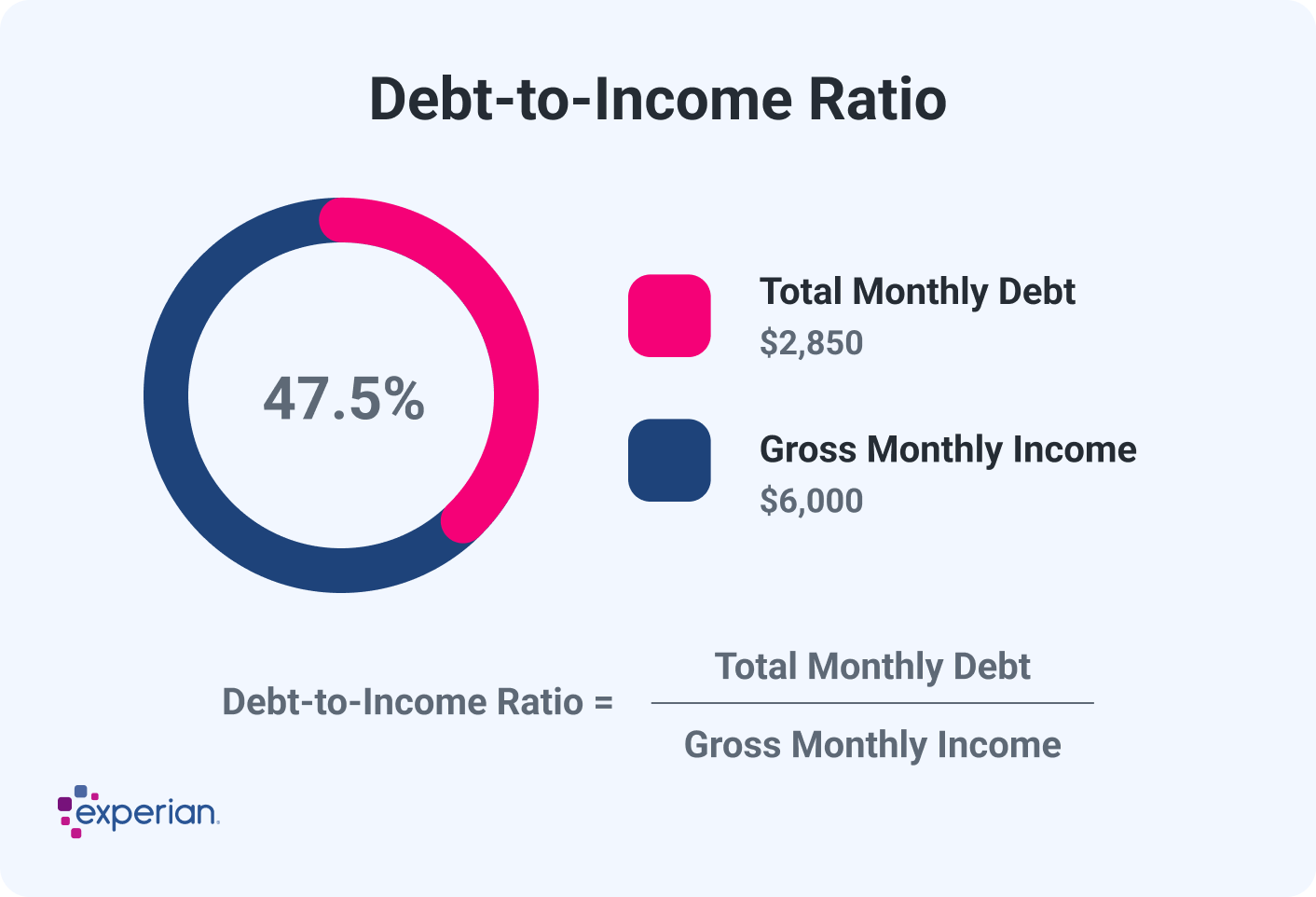
    A Debt to Income Ratio compares two things: how much you owe each month and how much income you bring in before taxes. To calculate it, you add up your total monthly debt payments, divide that number by your gross monthly income, then multiply by one hundred to convert it into a percentage. The resulting figure tells lenders what portion of your income is already spoken for by existing obligations. Although every lender weighs the ratio differently, a lower percentage generally signals that you have more room in your budget for additional payments.

    What Counts as Monthly Debt Payments and What Does Not
    Not all expenses are included when calculating your DTI. Monthly debt payments typically include items such as credit card minimums, auto loans, student loans, personal loans, and mortgage or rent payments. Certain recurring expenses like utilities, groceries, or insurance premiums do not count toward your DTI because lenders focus on debts that require fixed monthly payments. Understanding which costs are included helps you avoid confusion and calculate your ratio accurately. This also makes it easier to evaluate how reducing specific debts could improve your future borrowing power.

    How Gross Monthly Income Shapes the Final Ratio
    Your gross monthly income refers to the amount you earn before taxes or deductions. This includes wages, salaries, bonuses, and sometimes additional income sources like part time jobs or rental income. Because the ratio uses gross rather than take home pay, the percentage may look smaller than what you feel in your day-to-day budget. This makes it important to analyze both your DTI ratio and your actual cash flow so you get a realistic sense of how new debt might affect you. Government agencies such as the Consumer Financial Protection Bureau offer helpful explanations for understanding how lenders interpret these figures.

    Why Lenders Rely on This Ratio When Reviewing Applications
    From a lender’s perspective, a DTI ratio is a quick snapshot of your financial stability. A high ratio suggests that a large portion of your income is tied up in existing debt, which may make it harder to take on additional financial responsibilities. A lower ratio indicates more flexibility in your budget. This does not mean that having a higher ratio automatically disqualifies you, but it may lead lenders to offer different loan terms, higher interest rates, or smaller approval amounts. The ratio helps lenders weigh risk, but it also helps borrowers evaluate whether adding new credit makes sense for their financial situation.

    Interpreting the Numbers in Ways That Support Your Financial Planning
    For many people, calculating their DTI ratio is the first step toward understanding their financial picture more clearly. If your ratio is higher than you expected, it may signal that you need to reduce certain debts or adjust spending habits. If your ratio is lower, you may find that you have more flexibility than you realized. Some borrowers use the calculation as a guide to set goals, such as paying down a credit card or refinancing an existing loan to reduce monthly payments. Thinking of your DTI ratio as a tool rather than a judgment makes financial planning feel more manageable.

    Differences Between Front End and Back End DTI Ratios
    Some lenders break DTI into two categories: front end and back end. A front-end ratio focuses only on housing expenses such as rent or mortgage payments compared to your income. A back-end ratio includes all your monthly debt obligations. Mortgage lenders often examine both to determine whether borrowers can comfortably afford homeownership costs. Understanding these distinctions can help you prepare for different types of credit applications, especially those involving larger financial commitments like buying a home.

    How Reducing Debt Has a Direct Impact on Your Ratio
    Because the DTI formula compares debt to income, paying down loans even slightly can improve your ratio. Reducing credit card balances, paying off a smaller loan, or consolidating debts into a lower monthly payment can all help. Lowering your ratio does not require eliminating all debt. Every small change in monthly payments influences the final calculation. For this reason, people preparing for major credit applications often spend several months improving their ratios through focused debt reduction strategies. Financial educators at the National Foundation for Credit Counseling recommend targeted repayment plans for borrowers trying to improve borrowing potential.

    How Increasing Income Can Support a Better Ratio
    Raising your income also lowers your DTI ratio because it increases the denominator in the equation. Some people take on side work, request additional hours, or explore alternative income sources when preparing for financial milestones like purchasing a home. Even modest increases can shift your ratio enough to improve loan terms. Combining income growth with debt reduction creates even more powerful results.

    Putting Your DTI Ratio into Context Within Your Larger Financial Picture
    A DTI ratio is a helpful tool, but it does not tell the full story of your finances. Good credit habits, savings, spending discipline, and emergency planning all matter just as much. Treat your DTI ratio as one part of a broader evaluation of your financial health. When you understand how it works and how lenders use it, you can make more confident decisions about borrowing, budgeting, and long-term planning. Over time, keeping an eye on your ratio helps you stay balanced, prepared, and in control of your financial journey.

    Share. Facebook Twitter Pinterest LinkedIn Tumblr Telegram Email
    Previous ArticleHow Smart Systems Free Leaders to Focus on Strategy
    Next Article Emoji Codes: Hidden Meanings & Copy-Paste Guide
    Olivia

    Olivia is a contributing writer at CEOColumn.com, where she explores leadership strategies, business innovation, and entrepreneurial insights shaping today’s corporate world. With a background in business journalism and a passion for executive storytelling, Olivia delivers sharp, thought-provoking content that inspires CEOs, founders, and aspiring leaders alike. When she’s not writing, Olivia enjoys analyzing emerging business trends and mentoring young professionals in the startup ecosystem.

    Related Posts

    Why Cannabis Genetics Have Become a Competitive Business Advantage

    May 13, 2026

    Body Lift Surgery: A Complete Guide for Patients Considering Total Body Contouring

    May 12, 2026

    What Should A Good Maternity Health Insurance Cover?

    May 12, 2026
    Add A Comment
    Leave A Reply Cancel Reply

    You must be logged in to post a comment.

    Latest Posts

    Choosing the Right Sand & Gravel Supplier for Strong, Sustainable, and Long-Lasting Outdoor Projects

    May 13, 2026

    Why Cannabis Genetics Have Become a Competitive Business Advantage

    May 13, 2026

    The Power of Templates and Checklists in High- Volume Sports Operations: Randy NG’s Insights

    May 13, 2026

    Project Management For Construction In NetSuite: Keeping Field And Finance On The Same Page

    May 13, 2026

    Body Lift Surgery: A Complete Guide for Patients Considering Total Body Contouring

    May 12, 2026

    What Makes Agricultural Casting Products Important for Reliable Farm Operations

    May 12, 2026

    The Impact of Structured Onboarding on Employee Satisfaction and Productivity

    May 12, 2026

    What Should A Good Maternity Health Insurance Cover?

    May 12, 2026

    How Cobalt Hybrid Buffalo Turf Performs in Australia’s Harshest Conditions

    May 12, 2026

    The Regulatory Fallout and Corporate Response to Trucking Crashes

    May 12, 2026
    Recent Posts
    • Choosing the Right Sand & Gravel Supplier for Strong, Sustainable, and Long-Lasting Outdoor Projects May 13, 2026
    • Why Cannabis Genetics Have Become a Competitive Business Advantage May 13, 2026
    • The Power of Templates and Checklists in High- Volume Sports Operations: Randy NG’s Insights May 13, 2026
    • Project Management For Construction In NetSuite: Keeping Field And Finance On The Same Page May 13, 2026
    • Body Lift Surgery: A Complete Guide for Patients Considering Total Body Contouring May 12, 2026

    Your source for the serious news. CEO Column - We Talk Money, Business & Entrepreneurship. Visit our main page for more demos.

    We're social. Connect with us:
    |
    Email: [email protected]

    Facebook X (Twitter) Instagram Pinterest LinkedIn WhatsApp
    Top Insights

    Choosing the Right Sand & Gravel Supplier for Strong, Sustainable, and Long-Lasting Outdoor Projects

    May 13, 2026

    Why Cannabis Genetics Have Become a Competitive Business Advantage

    May 13, 2026

    The Power of Templates and Checklists in High- Volume Sports Operations: Randy NG’s Insights

    May 13, 2026
    © Copyright 2025, All Rights Reserved
    • Home
    • Pricacy Policy
    • Contact Us

    Type above and press Enter to search. Press Esc to cancel.

    Go to mobile version