

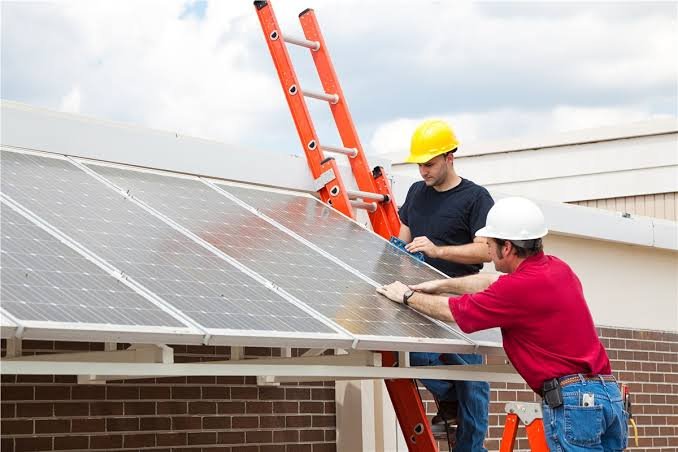
Rising electricity costs and growing environmental awareness have pushed more Ontario homeowners than ever to consider generating their own power. With some of the highest hydro rates in Canada and excellent solar potential across the southern part of the province, going solar has become an increasingly attractive way to take control of energy expenses while reducing your carbon footprint. Ontario is now Canada’s largest residential solar market, and the financial case for installing a system has arguably never been stronger.
Still, a rooftop solar system is a significant investment, and the decision should be made with clear eyes and good information rather than on impulse. Understanding how the technology works, what it costs, which incentives are available, and how the provincial rules apply to your situation will help you avoid surprises and get the most from your investment. If you are weighing whether solar panels ontario make sense for your home, this guide covers the essential things every homeowner should know before committing to an installation.
How Solar Power Works for Your Home
At its core, a home solar system converts sunlight into electricity your household can use. Photovoltaic panels mounted on your roof capture sunlight and generate direct current electricity, which an inverter then converts into the alternating current that powers your appliances and lights. When your panels produce more electricity than your home needs, that surplus can either flow back to the grid or, in some configurations, charge a battery for later use.
Because solar production varies with the seasons and the weather, most Ontario homes remain connected to the electrical grid rather than going fully off-grid. This grid connection ensures you always have power at night, on cloudy days, and during the darker winter months when production naturally drops. Understanding this basic setup helps clarify why the province’s billing and incentive rules matter so much to the overall economics of going solar.
Ontario’s Solar Potential and Production
One common misconception is that Ontario does not get enough sun to make solar worthwhile. In reality, the province enjoys strong solar potential, particularly across Southern Ontario. <cite index=”3-1″>Ontario averages 1,100 to 1,250 kWh per kW of solar production annually depending on location, with the southern regions such as Toronto, Ottawa, and London performing best.</cite> This makes a well-designed system a genuinely productive source of energy for most homes in populated areas of the province.
Your home’s specific production will depend on factors such as roof orientation, tilt, shading from trees or nearby buildings, and the quality of the equipment installed. A south-facing roof with minimal shade will generate the most power, but east and west-facing roofs can still produce meaningful output. A reputable installer will assess your particular property and give you a realistic production estimate rather than a generic figure, which is essential for understanding your true return on investment.
Understanding the Cost of a System
Cost is understandably one of the first questions homeowners ask, and it is important to have realistic expectations. <cite index=”3-1″>A typical 5 kW residential system costs roughly $12,100 to $17,500 before incentives.</cite> The exact price depends on the size of the system, the type and quality of panels, the complexity of your roof, and whether you add battery storage. Batteries add considerable cost but provide backup power and greater energy independence.
While the upfront figure can seem daunting, it is important to view solar as a long-term investment rather than a simple expense. <cite index=”2-1″>Payback periods generally run roughly 7 to 12 years for most Ontario homeowners, depending on which path they take,</cite> after which the electricity your system produces is essentially free for the remaining lifespan of the panels, which typically stretches well beyond two decades. Given Ontario’s high and rising electricity rates, the savings compound significantly over time.
The Two Main Financial Paths: Rebate vs. Net Metering
This is perhaps the most important thing for Ontario homeowners to understand, because the province offers two distinct paths and you generally must choose between them. The first is the Home Renovation Savings Program, a provincial rebate delivered through Save on Energy. <cite index=”1-1″>It offers up to $10,000 in stackable rebates, with $5,000 available for solar panels and another $5,000 for battery storage.</cite> <cite index=”8-1″>Pre-approval is required before installation begins, retroactive applications are not accepted, and the program is funded on a first-come, first-served basis through late 2026.</cite>
The second path is net metering. <cite index=”6-1″>Net metering allows homeowners with solar panels to earn credits on their electricity bills by sending excess power back to the grid; when your system produces more than your home uses, that surplus is fed into the local utility grid and you receive a credit for each kilowatt-hour exported.</cite> <cite index=”7-1″>These credits accumulate as a running balance and roll forward from bill to bill, though they expire after twelve consecutive months of being carried forward.</cite>
The crucial catch is that these two options are mutually exclusive. <cite index=”4-1″>Participants who receive the Home Renovation Savings rebate for solar or battery storage cannot participate in net metering, because that program is designed for load-displacement systems that do not export power to the grid.</cite> This means you must weigh the upfront savings of the rebate against the ongoing bill credits of net metering, and the right choice depends on your energy usage patterns and how your system is configured. A knowledgeable installer can model both scenarios against your actual consumption to determine which delivers the better return for your home.
What Happened to Older Programs
If you have been researching solar for a while, you may have encountered references to older incentive programs that no longer exist. It is worth knowing the current landscape so you are not chasing outdated information. <cite index=”4-1″>The microFIT program for residential generators, which once paid premium rates, closed to new applications back in 2017, and the larger Feed-in Tariff program ended in 2022.</cite> More recently, <cite index=”8-1″>two major federal programs, the Canada Greener Homes Grant and the Greener Homes Loan, have both closed.</cite>
The takeaway is that the incentive environment changes over time, so it is essential to verify what is currently available rather than relying on older articles or advice. Because programs can be updated, paused, or replaced, confirming the latest details directly with your installer and the official program sources before you commit is always the wise move.
Permits, Approvals, and Installation Requirements
Installing solar in Ontario is not simply a matter of bolting panels to your roof. There are safety and regulatory steps that must be followed. <cite index=”6-1″>To qualify for net metering, for example, you must apply through your local utility and have your system installed by a licensed electrical contractor in compliance with Ontario’s Electrical Safety Code.</cite> Electrical permits and inspections through the Electrical Safety Authority are part of the process, as is connection approval from your local distribution company.
A reputable installer will handle most of this paperwork on your behalf, including the utility applications, permits, and rebate filings where applicable. This is one of many reasons to choose an experienced, licensed professional rather than attempting a shortcut. Proper permitting and inspection protect your safety, your insurance coverage, and your eligibility for the financial programs that make solar worthwhile.
Choosing the Right Installer
The quality of your installation matters just as much as the quality of your panels, so selecting the right installer is one of the most important decisions you will make. Look for a licensed, experienced company with a solid track record, proper certifications, and familiarity with both the rebate program and net metering applications across your utility’s service territory. A good installer will provide a detailed proposal, a realistic production estimate, and clear answers to your questions.
Get multiple quotes so you can compare pricing, equipment, and warranties, but be cautious of offers that seem too good to be true. The cheapest option is not always the best value if it involves lower-quality equipment or a company that may not be around to honor its warranty years down the road. Reading reviews, asking for references, and confirming credentials will help you find a contractor you can trust with a decades-long investment.
Weighing the Long-Term Benefits
Beyond the direct savings on your electricity bill, solar offers several long-term advantages worth considering. A well-installed system can increase your home’s value and appeal to future buyers, particularly as energy costs continue to climb. It also provides a hedge against rising hydro rates, since the power you generate yourself is insulated from utility price increases. For many homeowners, there is also genuine satisfaction in reducing their environmental impact and generating clean energy at home.
At the same time, it is important to have realistic expectations. Solar is a long-term commitment that pays off over years, not months, and its performance depends on your home’s characteristics and how you use energy. Approaching the decision with a clear understanding of both the benefits and the timeline will leave you far more satisfied with the outcome.
Final Thoughts
Installing solar panels can be a smart and rewarding investment for Ontario homeowners, offering meaningful savings, greater energy independence, and a smaller environmental footprint. But like any major home upgrade, it deserves careful research and planning. By understanding how solar works, what a system costs, the crucial choice between the provincial rebate and net metering, the permitting requirements, and the importance of a qualified installer, you position yourself to make a confident, well-informed decision. Take the time to get personalized quotes, verify the current incentives, and choose professionals you trust. With the right preparation, a solar system can deliver clean, affordable power to your home for decades to come.
