

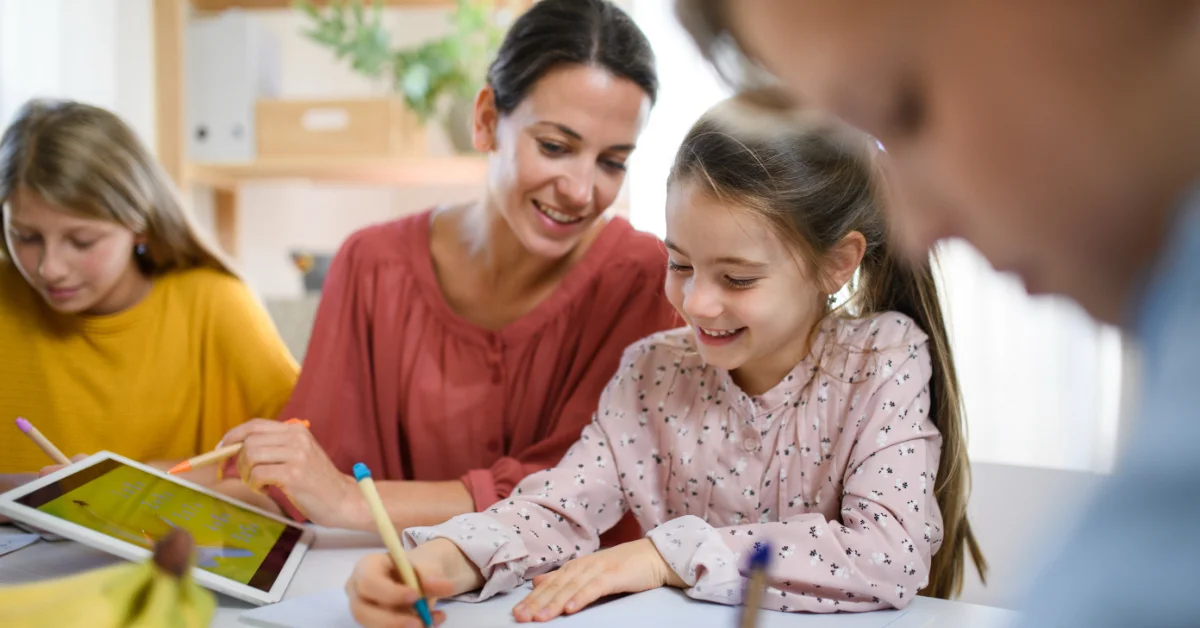
The earliest years of education play a powerful role in shaping how children view learning, communication, and personal growth. While academic subjects such as reading, mathematics, and science often receive significant attention, many educators believe that participation, confidence, and communication skills form the foundation upon which future academic success is built.
Children enter classrooms with different personalities, experiences, and learning styles. Some eagerly raise their hands and share ideas, while others prefer to observe quietly before contributing. Effective educational environments recognize these differences and create opportunities for every child to participate in meaningful ways.
Participation is about more than answering questions correctly. It involves expressing ideas, listening actively, collaborating with others, and developing confidence in one’s ability to communicate. These abilities influence not only classroom performance but also social development and future success.
Many educators use engaging alphabet speaking exercises to encourage communication and active involvement among young learners. Activities such as those found in engaging alphabet speaking exercises demonstrate how simple classroom experiences can help children build confidence while developing important language skills.
By creating opportunities for participation from an early age, educators help students establish habits that support lifelong learning.
The Connection Between Participation and Learning
Learning is not a passive process.
Children learn most effectively when they actively engage with information rather than simply receiving it. Participation encourages students to think critically, ask questions, and connect new concepts to existing knowledge.
When children contribute to discussions, they process information more deeply. Explaining ideas requires them to organize thoughts, evaluate understanding, and communicate clearly.
These mental processes strengthen learning outcomes because students become active participants in their own education.
Research consistently suggests that active engagement improves retention, comprehension, and overall academic performance. Students who participate regularly often develop stronger understanding because they interact directly with educational content.
This interaction transforms learning from memorization into meaningful understanding.
Why Communication Skills Matter Early
Communication is one of the most important abilities children develop during their early years.
Long before students begin writing essays or giving presentations, they learn how to express needs, share observations, ask questions, and interact with others. These communication experiences influence both academic and social development.
Strong communication skills support:
- · Reading readiness
- · Vocabulary growth
- · Social interaction
- · Problem-solving
- · Emotional expression
- · Classroom participation
Children who feel comfortable communicating often engage more actively in educational experiences.
Communication also supports confidence. When children successfully express ideas and receive positive feedback, they become more willing to participate in future learning opportunities.
Building Confidence Through Small Successes
Confidence develops gradually through experience.
Young learners rarely become confident communicators overnight. Instead, confidence grows through repeated opportunities to participate in supportive environments.
Simple classroom activities often provide valuable practice. Sharing observations, discussing favorite topics, describing objects, and participating in group discussions all help children become more comfortable speaking in front of others.
Each successful interaction reinforces positive beliefs about communication.
As confidence grows, children often become more willing to take academic risks. They ask questions more freely, attempt challenging tasks, and engage more actively with learning materials.
This willingness to participate can significantly influence educational outcomes over time.
The Role of Curiosity in Childhood Education
Curiosity is one of the strongest drivers of learning.
Children naturally want to understand the world around them. They ask questions, explore ideas, and seek explanations for new experiences.
Effective educational environments nurture this curiosity rather than suppress it.
Participation-based learning encourages students to share observations, discuss discoveries, and investigate questions together. These experiences help maintain enthusiasm for learning while developing important thinking skills.
Curious students often become more engaged because they view education as an opportunity for exploration rather than simply a requirement.
Supporting curiosity helps create learners who remain motivated throughout their educational journeys.
Why Vocabulary Development Influences Academic Growth
Vocabulary serves as a foundation for learning across all subject areas.
Every new word expands a child’s ability to understand information and communicate ideas. Students with stronger vocabularies often find it easier to comprehend reading materials, follow instructions, and participate in discussions.
Vocabulary growth occurs through:
- Reading
- Conversation
- Storytelling
- Educational games
- Classroom discussions
- Everyday experiences
Interactive learning environments often accelerate vocabulary development because students actively use language rather than merely hearing it.
Meaningful communication experiences help transform vocabulary into practical tools for thinking and expression.
Social Learning and Peer Interaction
Education involves more than academic content. It also includes learning how to interact with others.
Classrooms provide opportunities for children to develop social skills through collaboration, discussion, and shared experiences. These interactions teach students how to listen, cooperate, respect differing perspectives, and contribute to group activities.
Social learning supports:
- Empathy
- Teamwork
- Conflict resolution
- Communication
- Leadership
- Emotional intelligence
These skills remain valuable throughout life and complement academic achievement.
Students who learn to work effectively with others often adapt more successfully to future educational and professional environments.
Why Active Classrooms Encourage Better Engagement
Classrooms that encourage participation often experience higher levels of engagement.
Children are naturally energetic and curious. Educational activities that involve discussion, movement, creativity, and interaction frequently capture attention more effectively than passive instruction alone.
Active classrooms help students:
· Stay focused
· Retain information
· Develop confidence
· Build communication skills
· Strengthen relationships
· Enjoy learning
When students enjoy educational experiences, they are often more motivated to participate and learn.
This positive relationship with learning can influence academic attitudes for years to come.
Creating Meaningful Opportunities for Expression
Every child deserves opportunities to express thoughts and ideas.
Some students communicate confidently from an early age, while others require additional encouragement. Effective educators recognize the importance of creating inclusive environments where all students feel comfortable participating.
Many teachers incorporate classroom communication activities that provide structured opportunities for self-expression and language development. Resources such as classroom communication activities demonstrate how thoughtfully designed exercises can support speaking skills while keeping learning enjoyable and engaging.
These opportunities help children discover that their voices matter and that communication is an important part of learning.
Preparing Students for Future Success
The skills developed through participation extend far beyond childhood education.
Modern workplaces increasingly value communication, collaboration, adaptability, and problem-solving. These abilities often begin developing through classroom experiences that encourage active involvement and meaningful interaction.
Children who learn to communicate effectively are often better prepared to:
· Work with others
· Present ideas clearly
· Solve problems collaboratively
· Adapt to change
· Lead teams
· Continue learning independently
Participation-based learning helps build these competencies gradually over time.
By supporting communication and engagement during the early years, educators contribute to future success in many areas of life.
The Importance of Positive Learning Experiences
Children’s early educational experiences often shape attitudes toward learning.
Positive experiences create enthusiasm, confidence, and curiosity. Negative experiences can sometimes reduce participation and motivation.
Supportive classrooms encourage children to view mistakes as opportunities to learn rather than reasons to withdraw from participation.
This mindset helps students develop resilience and persistence.
When children associate learning with exploration, communication, and achievement, they are more likely to remain engaged throughout their educational journeys.
Building Lifelong Learners
One of the most important goals of education is creating lifelong learners.
Children who enjoy learning often continue seeking knowledge throughout adulthood. They become individuals who ask questions, explore interests, and adapt to changing circumstances.
Participation plays a significant role in this process because active learners develop stronger connections to educational experiences.
Rather than viewing learning as something that happens only in classrooms, lifelong learners see knowledge as a continuous journey.
Educational environments that encourage communication, curiosity, and participation help establish this mindset from an early age.
Conclusion
Early childhood participation is about far more than classroom involvement. It influences communication skills, confidence, academic performance, social development, and long-term success.
By creating opportunities for active engagement, educators help children build the skills necessary to thrive both inside and outside the classroom. Communication, collaboration, curiosity, and confidence all emerge through meaningful participation experiences.
As education continues evolving, participation-based learning will remain essential because it reflects how children naturally learn, explore, and grow. The habits developed through these experiences often become the foundation for lifelong learning and future achievement.
