

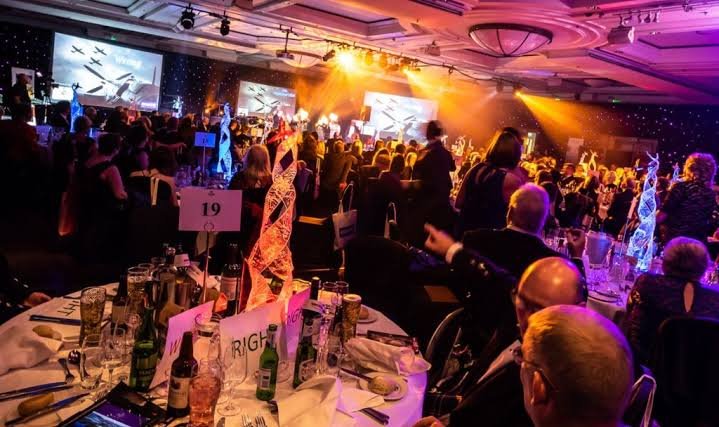
Corporate gatherings and galas need more than an attractive room. The venue shapes arrivals, conversation, presentation quality, and the schedule’s pace. A well-planned event space gives teams room to meet clients, get work done, and celebrate without avoidable disruptions. In New York City, the setting must support tight schedules and varied guest needs throughout the day. As this article shows, the best results come when space, technology, hospitality, and planning work together.
Space Creates Better Working Conditions
Corporate planners judge a venue by how well it supports the agenda and how easily guests move through the day. A premier New York City event space gives executives room to move between presentations, workshops, meals, and conversations without changing properties. That arrangement protects the schedule, reduces transitions, and keeps guests connected to the event’s purpose. It also brings registration, production coordination, catering support, and attendee assistance together in one place.
A dedicated setting changes how attendees use their time. Boardroom discussions need quiet, clear sightlines, and dependable presentation equipment. A gala needs space for circulation, dining, and comfortable conversation areas. A multi-level venue separates these activities without splitting the group. Planners can assign each floor or zone a purpose, then guide guests through the program with fewer interruptions.
Technology Supports Clear Communication
Technology should support the agenda, not compete with it. Integrated audio-visual equipment keeps presenters visible and remote participants involved during sales presentations, training sessions, and executive discussions. Five LED screens, wireless microphones, video conferencing capability, and high-speed fiber Wi-Fi support clear communication throughout the venue. Reliable connectivity also lets production staff manage presentations without repeated pauses or improvised fixes.
Hybrid attendance raises the standard for event production. Remote guests need a stable connection, a useful camera view, and audio that carries every speaker. In-room attendees need the same clarity without having to focus on the equipment. A venue with integrated technology and on-site technical support gives planners a practical response when schedules change or presentations require revisions.
Hospitality Keeps Events Moving
Hospitality affects how long guests remain engaged and how easily organizers handle changes. An on-site event host can coordinate catering, scheduling, package deliveries, transportation requests, and room adjustments from one location. That support removes small administrative tasks from the agenda. It also gives executives and event teams a clear contact during setup, live sessions, and breakdown.
Food and beverage planning deserves the same attention as room layout. Stocked kitchenettes with coffee, sodas, juices, and snacks keep attendees near the program during full-day meetings. A coordinated meal plan prevents breaks from running long. Practical office supplies also let teams record decisions, develop ideas, and continue working without last-minute errands.
Flexibility Accommodates Different Agendas
Corporate gatherings rarely follow one fixed format. A strategy session requires focused seating and writable surfaces. A product launch needs space for presentations, guest circulation, and controlled reveals. A flexible venue lets planners adjust rooms around the agenda instead of forcing every activity into one layout. That choice improves movement and preserves time for the work itself.
Private conversations also need deliberate placement. A mezzanine, side room, or quieter floor gives leaders space for sensitive discussions without sending them off-site. The main gathering area can continue hosting presentations or networking. This separation lets an event serve different groups while preserving a shared sense of place.
Galas Need More Than Aesthetics
A gala succeeds when the room supports both atmosphere and movement. Guests need a clear arrival path, comfortable seating, visible food service, and enough open space for conversation. Lighting, artwork, furniture, and room proportions shape the experience without distracting from the host’s message. A polished setting gives sponsors, clients, and employees a credible backdrop for the evening.
Corporate galas also support relationship building. Executives need to greet guests without crossing a crowded room, while employees need areas that encourage informal conversation. A multi-level event space creates separate zones for reception, dining, remarks, and social time. Planners can then build an organized program without making the evening feel rigid.
Conclusion
Choose a venue by testing the event plan, not by judging photographs alone. The right space connects room layout, technology, hospitality, and guest movement within one workable schedule. Before booking, planners should visit the site, walk through the agenda, confirm included equipment, and identify the on-site contact for changes. That review shows whether the venue can support corporate work and a polished gala without adding avoidable coordination tasks or delaying decisions.
