

Buying research peptides was once simple. You could find a supplier and put in your order. Now, there are many vendors in the market. Each one shows a bit different prices, purity levels, and different discounts. This can make it hard for labs and research buyers to know what to get. A cheap option may not always give you good value. A higher price does not always mean it will be the most reliable, either. To pick the right supplier, you need to look at what is behind the price, not only at the cost itself.
Why Smart Buyers Compare Before Ordering
Checking prices is now a normal part of research buying. It is much like when you look at things like lab tools or chemicals. Price-checking sites show prices from more than one seller. This lets you see how much each item costs per milligram, and it helps you know if there are any discounts. For example, when people use an atomik labz discount code, they can see this seller’s options with others. This helps you decide if the deal is good for you or not. A discount is good, but only if the item is good too. A 15% discount does not help much if the product may be bad. If quality is low, you might spend more time and money doing your work again.
What SS-31 Is and Why Researchers Study It
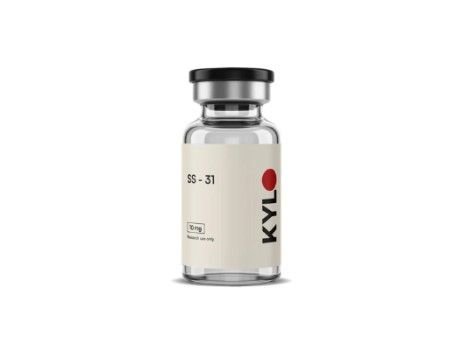
SS-31, or elamipretide, is a small peptide that is made to target mitochondria. A lot of research has looked at how it can help with how mitochondria work and lower oxidative stress. ScienceDirect’s overview of elamipretide shares what is known about how this peptide interacts with the inside of the mitochondrial membrane. It also looks at the health problems where it has been tried. Because many people want to learn more about this, there are now a lot of vendors who sell SS-31. But the quality you get from them can be very different. Research chemicals are not made to be used as medicine. If you want to try a treatment for any health problem, talk to your doctor first. Do not buy from places that only sell research chemicals.
The Quality Checks That Matter Most
Before you look at prices, make sure that every supplier has the basic level of quality.
- Certificate of analysis (COA): This is a document for each batch that shows the purity results.
- HPLC purity data: The high-performance liquid chromatography numbers should show 98% or more for research use.
- Mass spectrometry confirmation: This shows that the peptide has the right weight, so it matches the correct one.
- Third-party testing: this means the results come from a different lab, not just tests that a company does itself.
- Batch and lot numbers let people trace the results back to one production run.
- Storage and shipping details: peptides can break down if they are in heat or get wet.
A supplier who does not give a recent COA for the batch should be treated with care, no matter what the price is.
How to Compare Price Fairly
Raw prices are not always clear because each vial may have a different size. To see what is fair, look at the cost for each milligram. You do this by dividing the full price by how many milligrams are in the vial. A 10 mg vial can be less for each milligram than a 5 mg vial, even if the 10 mg one costs more to buy.
Next, factor in:
- Discounts and coupon codes, and if these can be used for every product or not.
- Shipping costs and delivery times, especially for items that can be hurt by changes in temperature.
- Minimum order requirements.
- Purity level, because if there is less purity, you get less of what you can use.
- Refund or replacement policies are there if the product comes to you damaged or does not pass testing.
Put these in a simple spreadsheet. The real best-value choice will be easy to see.
Red Flags in the Research Peptide Market
Some signs can show that a supplier might not be a good choice:
- Prices far below every other vendor.
- There is no COA, or the COA does not say which batch it is for.
- Contact and company details that are unclear or missing.
- Marketing meant for things people use for themselves, like help with how much to take or claims about health.
- Things like countdown timers on discounts are used to put pressure on people.
Responsible suppliers make sure to label products clearly. They say these are for research use only. They do not make any claims about medical use.
Making a Confident Buying Decision
Once you’ve picked suppliers that pass all your quality checks, check the current ss-31 price from each vendor. Look at the price for each milligram, then add in costs like shipping, discounts, and paperwork. Keep all records of your orders, such as COAs and lot numbers. This way, if you get any questions about a batch, you can trace it. Over time, using this way can help you make a list of good and reliable suppliers you can use again and feel good about.
Conclusion
Comparing research peptide suppliers is about more than just looking for the lowest price. You should start by checking quality first. Look for batch-specific COAs, HPLC and mass spectrometry data, and testing done by other labs. When you look at prices, compare the cost per milligram. Be sure to include discounts and shipping in your math. Stay away from vendors that make health claims or can’t prove what their products are. You also need to know about the rules for these products, and the FDA’s list of bulk drug substances that may present safety risks helps show why unapproved peptides must not be used as medicine.
FAQs
What is SS-31?
Elamipretide is a peptide that goes to the mitochondria in the cell. Scientists have studied it to see how it helps the mitochondria work.
What purity should research peptides have?
Many labs want to see 98% or higher. They check this by using HPLC and mass spectrometry.
How do I compare peptide prices fairly?
Work out how much it costs for each milligram. After that, add the shipping fee. If there is a discount, take that off the total.
Are research peptides safe for personal use?
No, research peptides are not approved as medicines. You should talk to a doctor if you want to know more about any treatment.
