

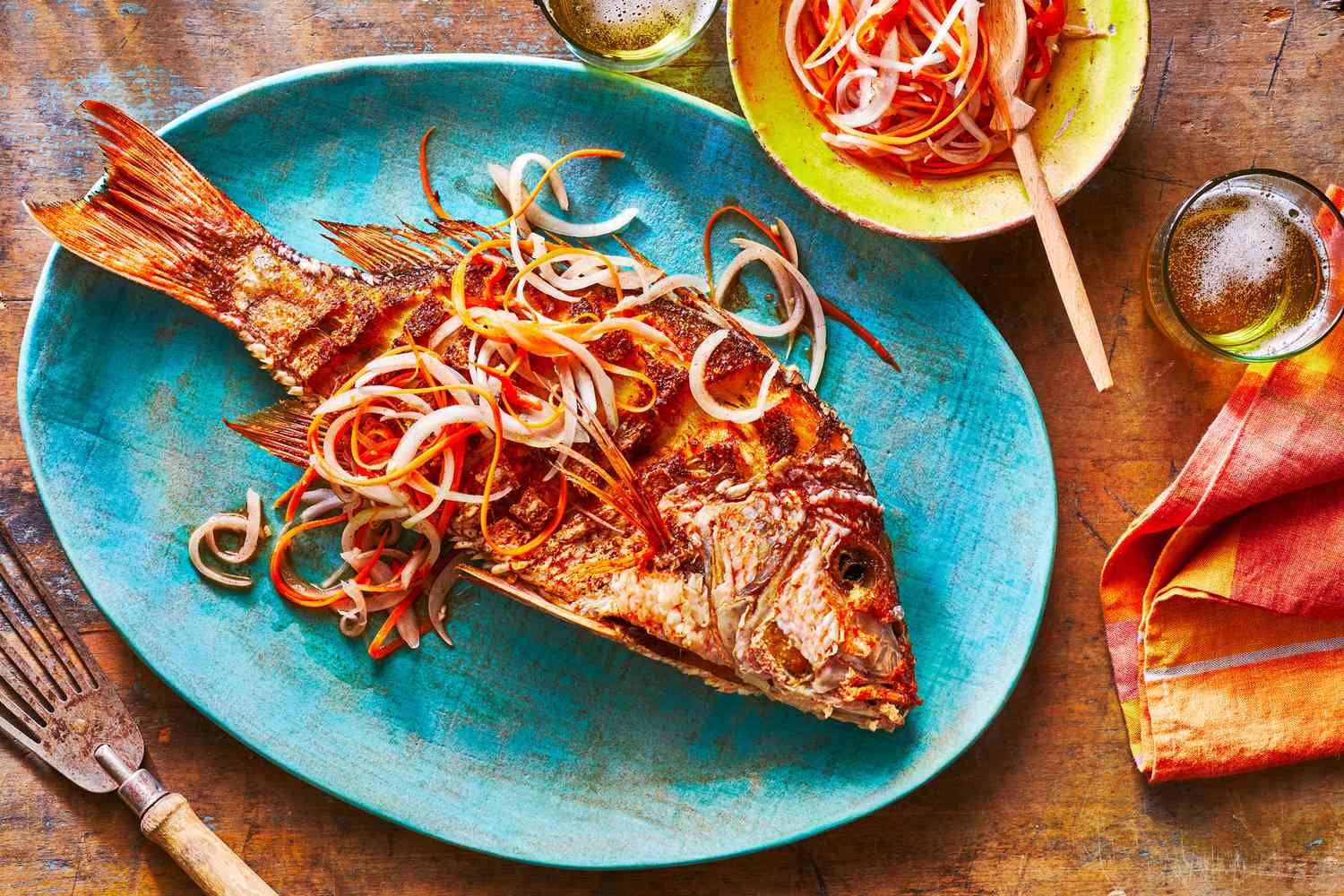
A truly memorable seafood meal rarely relies on a complicated recipe. Instead, it demands a singular focus: a carefully chosen main ingredient, a handful of complementary flavors, and a seamless serving plan. Whether you are hosting a relaxed weekend lunch, an intimate gathering, or a sophisticated dinner party, premium seafood elevates the occasion without keeping you trapped in the kitchen.
The most successful culinary approach balances ambition with practicality. By understanding your seafood’s origin, selecting the right format for your kitchen, and mastering texture, you can easily build plates that taste highly considered.
Designing Your Menu
Begin by determining the exact role the seafood will play. A formal, plated dinner dictates a dramatically different approach than a casual, family-style gathering.
For an effortless yet sophisticated appetizer, high-quality precooked breaded shrimps provide an excellent foundation when paired with bright citrus, shaved fennel, and a restrained dipping sauce. Leaning on convenient, high-quality formats leaves you with more time to focus on creative accompaniments. A short, deliberate ingredient list usually yields the most elegant results.
Balancing Texture and Flavor
Breaded or fried seafood inherently brings a rich, substantial crunch to the plate, meaning your side dishes must provide a sharp, acidic contrast. Always taste your elements separately before combining them to ensure the final plate doesn’t become overly salty or heavily dressed.
- Informal Lunches: Build a vibrant bowl around ancient grains, freshly chopped herbs, and seasonal vegetables, adding the seafood at the very last moment to preserve its crisp texture. Serve dressings on the side.
- Elegant Appetizers: Present a sharing platter featuring a light cucumber and fennel salad tossed in a sharp lemon vinaigrette.
- Dipping Sauces: Offer two distinct profiles—perhaps a mild, herb-led yogurt alongside a punchy chili infusion.
Decoding Seafood Terminology
The culinary industry uses terms like fresh, frozen, and precooked loosely, but precision matters when sourcing premium ingredients. A freshly assembled plate can easily feature a prepared seafood component, but that does not mean the catch itself was “never frozen.” Keeping this language precise helps home cooks set realistic expectations.
When purchasing chilled fish at a counter, always ask about its origin, whether it was previously blast-frozen, and its strict use-by window. For packaged items, read the storage conditions rather than relying on the idealized photograph on the box. The FDA’s seafood selection guidance recommends checking frozen packaging for damage and avoiding products with signs of problematic storage, such as frost or ice crystals. Its guidance also stresses separating raw seafood from ready-to-eat foods to protect the effort you put into the meal.
Prioritizing Responsible Sourcing
“Sustainability” is much more useful as a strict purchasing standard than as a broad marketing buzzword. A product’s premium price tag does not automatically guarantee ethical practices.
- Wild-Caught: The Marine Stewardship Council’s guidance explains that wild-fish sustainability depends entirely on the fishery, including where and how fish are caught and how the local ecosystem is managed. Its certification applies to assessed fisheries rather than declaring an entire species sustainable everywhere, helping shoppers move beyond simple assumptions.
- Farmed Seafood: For aquaculture, the Aquaculture Stewardship Council explains that its label identifies products strictly traceable to farms independently certified against its rigorous environmental and social standards.
Streamlining the Gourmet Experience
A menu feels highly polished when its components share a cohesive culinary narrative. Instead of juggling several unrelated side dishes, commit to a single flavor direction. Mediterranean profiles heavily feature lemon, olive oil, and parsley, while Asian-inspired plates lean on lime, ginger, and chili. Let one specific direction guide the plate rather than emptying your condiment shelf.
Always plan your workflow before turning on the stove. Set out your serving dishes early, prep your acidic accompaniments, and time your final seafood preparation precisely for when your guests sit down. This eliminates the temptation to finish everything early, which leaves delicate seafood sitting cold on the counter.
Smart Purchasing and Portion Control
Food waste is the enemy of a sustainable, premium kitchen. Before shopping, confirm your guest count and clarify whether the seafood is acting as a light appetizer or the main event.
- Buy with Purpose: Oversized wholesale purchases often create unnecessary pressure to overcook. Select pack sizes that perfectly align with your menu.
- Flexible Sides: Build flexibility into your accompaniments. Leftover fresh herbs or grains easily transition into tomorrow’s lunch, but leftover cooked seafood follows much stricter safety rules.
- Track Your Success: Keep brief kitchen notes on what worked—portion sizes, prep time, and which sauces were most popular. This effortless habit improves your next dinner party without requiring a complex culinary spreadsheet.
Gourmet cooking does not require executing every single stage from scratch. It comes from making deliberate choices: sourcing from premium purveyors like Select Fish, asking meaningful sustainability questions, and pairing rich seafood with bright, contrasting flavors. When every decision serves the same purpose, the result is a beautifully balanced plate backed by a sourcing story you can share with absolute confidence.
