

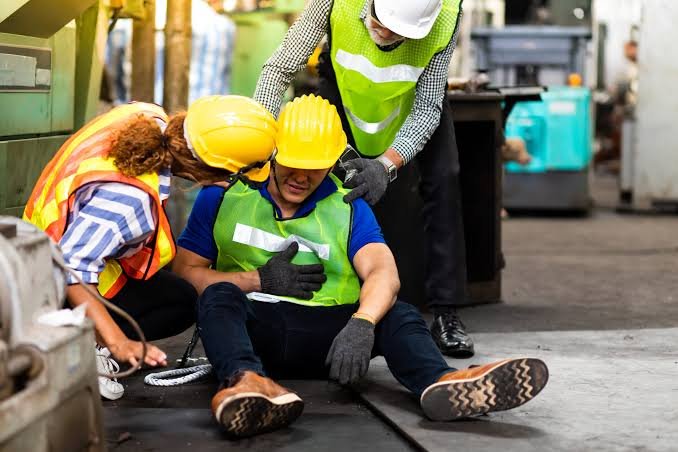
Workplace safety is more than a compliance requirement. For business owners and leaders, it is a responsibility that directly affects employees, company operations, reputation, and long-term stability. While accidents cannot always be predicted, businesses can take practical steps to reduce serious risks and create safer working environments. When a workplace incident results in a fatality, the consequences can extend far beyond the organization, leaving families to deal with emotional and financial challenges. In such circumstances, speaking with a wrongful death lawyer may help families understand their legal options and potential rights.
Identify Workplace Hazards Before They Cause Harm
One of the most effective ways to prevent workplace fatalities is to identify hazards before they result in an accident. Businesses should regularly evaluate their workspaces, equipment, procedures, and working conditions.
Potential hazards can vary significantly by industry. Construction companies may need to focus on falls, heavy machinery, electrical systems, and site conditions. Manufacturing facilities may face risks involving moving equipment, chemicals, and inadequate machine guarding. Even office environments can present risks involving electrical systems, fire safety, or poorly maintained facilities.
Regular safety inspections can help managers recognize problems early. Employees should also have a simple way to report unsafe conditions without worrying about negative consequences.
Provide Comprehensive Employee Training
Employees cannot properly respond to workplace hazards if they have not been adequately trained. Safety training should therefore be an ongoing part of business operations rather than something provided only during onboarding.
Training should cover the specific risks employees are likely to encounter, including equipment operation, emergency procedures, protective equipment, hazard communication, and reporting requirements. Businesses should also provide refresher training when procedures change or new equipment is introduced. As businesses increasingly incorporate digital tools and AI-based systems into their operations, resources such as ai test chamber can also support organizations in evaluating AI-related tools and understanding how technology may be incorporated responsibly into workplace processes.
Practical demonstrations and hands-on exercises can make safety information easier to understand and apply. Managers should verify that employees actually understand the procedures rather than assuming that completing a training session means the information has been retained.
Maintain Equipment and Safety Systems
Faulty equipment can turn an otherwise routine task into a serious accident. Preventive maintenance should therefore be incorporated into the company’s regular operating schedule.
Businesses should inspect machinery, vehicles, electrical systems, safety barriers, alarms, fire equipment, and other critical systems according to appropriate manufacturer recommendations and workplace requirements. Problems should be addressed promptly instead of being postponed until they become operationally inconvenient.
Keeping accurate maintenance records can also help businesses identify recurring problems. If the same piece of equipment repeatedly develops issues, replacing or upgrading it may be safer than continuing to repair it.
Encourage Employees to Speak Up
A strong workplace safety culture depends on communication. Employees are often the people closest to day-to-day operations, which means they may notice hazards before management does.
Business leaders should encourage employees to report unsafe equipment, procedural problems, near misses, and other concerns. Reports should be taken seriously and investigated promptly.
Near-miss incidents deserve particular attention. An event that does not cause an injury may still reveal a dangerous condition that could eventually result in a serious accident. Treating near misses as learning opportunities allows companies to correct weaknesses before someone gets hurt.
Develop a Clear Emergency Response Plan
Even with strong preventive measures, businesses need to be prepared for emergencies. An effective emergency response plan should explain what employees should do in situations such as fires, severe injuries, chemical incidents, equipment failures, and other serious events.
Plans should clearly identify emergency contacts, evacuation routes, assembly points, first-aid resources, and responsibilities for supervisors and employees. Businesses should also conduct periodic drills to ensure workers understand how to respond.
A plan that exists only on paper may not be effective during a real emergency. Regular practice can help employees react more quickly and reduce confusion when every second matters.
Investigate Accidents and Learn From Them
When an accident occurs, the focus should not stop at treating injuries or repairing damaged equipment. Businesses should investigate what happened and identify the underlying causes.
An effective investigation examines factors such as equipment condition, employee training, supervision, workplace design, procedures, and environmental conditions. The goal should be to determine what can be changed to prevent similar incidents in the future.
When a fatal workplace accident occurs, the legal and financial consequences can also become significant. Families may need to investigate the circumstances surrounding the death and determine whether another party may be legally responsible. Consulting a wrongful death lawyer can provide families with information about potential claims and the legal process involved.
Make Safety Part of Business Leadership
Workplace safety ultimately depends on the priorities established by company leadership. When executives and managers consistently treat safety as a core business objective, employees are more likely to take safety procedures seriously.
Leaders can demonstrate this commitment by allocating appropriate resources to training, maintenance, protective equipment, inspections, and emergency preparedness. Safety should also be considered when introducing new technology, expanding operations, hiring employees, or changing workplace procedures.
A company’s safety culture is shaped by everyday decisions. When productivity is consistently prioritized over reasonable safety measures, employees may feel pressure to take unnecessary risks. Conversely, when leadership makes it clear that safety is part of successful operations, employees are more likely to follow established procedures and raise concerns.
Protecting Employees Protects the Business
Preventing workplace fatalities is both a human responsibility and an important business priority. Strong safety programs can reduce preventable risks while helping organizations build trust with their employees.
Businesses should regularly evaluate hazards, provide effective training, maintain equipment, encourage communication, prepare for emergencies, and learn from incidents. At the same time, families affected by fatal workplace accidents may need to understand their legal options. A wrongful death lawyer can help them evaluate the circumstances of a death and understand the steps involved in pursuing a potential claim.
Ultimately, workplace safety should not be treated as a one-time initiative. It is an ongoing commitment that requires attention from leadership, managers, and employees alike. By making safety part of everyday decision-making, businesses can create healthier workplaces while protecting the people who make their success possible.
