

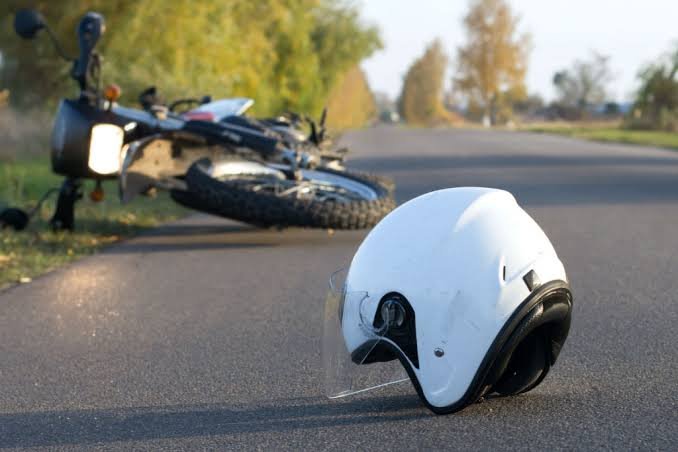
A motorcycle crash is over in moments, but the choices a rider makes in the days that follow can shape a claim for months. Riders have almost no physical protection, so even a low-speed collision can lead to broken bones, road rash, or a head injury. On top of the pain, there are medical bills, missed work, and an insurance company that may already be building its own version of what happened.
Knowing the right legal steps early can protect both your health and your finances. Talking with a lawyer for motorcycle accidents in Port Richey can help you understand how Florida law applies to your crash, which insurance policies may pay, and which deadlines you need to meet. Below is a practical look at what to do after a crash and why each step matters.
Step 1: Get Medical Care and Start a Paper Trail
Your health comes first, even if you feel fine at the scene. Adrenaline can hide the signs of a concussion, internal injury, or soft tissue damage for hours or even days. Getting checked out right away protects your body and creates a medical record that links your injuries to the crash.
Tell the doctor you were in a motorcycle accident, and follow the treatment plan you are given. Insurance companies look closely at gaps in treatment. If you wait weeks to see a doctor or skip follow-up visits, an adjuster may argue that your injuries were minor or came from something else.
Step 2: Report the Crash and Get the Report
Call 911 after any crash that involves an injury. The responding officer will write a crash report that includes the location, the vehicles involved, witness names, and sometimes an early opinion about fault. In Florida, crash reports stay confidential for 60 days, and during that time access is mostly limited to the people involved, their lawyers, and their insurers.
Keep in mind that a police report is not the final word on who caused a crash. Officers often arrive after the fact and rely on statements from the people involved. If the report gets something wrong, other evidence can still tell a more accurate story.
Step 3: Preserve Evidence Before It Disappears
Evidence from a motorcycle crash does not last long. Skid marks fade, debris gets swept away, and nearby businesses often record over their security footage within days. If you are able, take photos of the scene, both vehicles, traffic signals, road conditions, and your injuries.
Hold off on repairing your motorcycle until the damage has been documented. Keep your helmet, jacket, and other gear, since damage to them can help show how the impact happened. Write down the names and phone numbers of anyone who saw the crash while the details are still fresh.
Step 4: Understand How Florida Insurance Treats Riders
Many riders are surprised to learn that Florida’s no-fault system does not work for them the way it works for car drivers. Personal injury protection, or PIP, applies to vehicles with four or more wheels. Motorcycles fall outside that definition, so riders usually have no $10,000 PIP benefit waiting to cover early medical bills.
That means a rider’s recovery often depends on the at-fault driver’s bodily injury coverage. Florida does not require most drivers to carry that coverage, and many carry low limits. Your own uninsured or underinsured motorist coverage, medical payments coverage, and health insurance may become very important, so gather all of those policies early.
For self-employed riders and small business owners, the financial hit can be even bigger than a missed paycheck. Keep records of lost contracts, canceled jobs, and drops in business income, since those losses may be part of a claim. Tax returns, invoices, and client emails can help show what the injury actually cost you.
Step 5: Be Careful With Insurance Adjusters
An adjuster may call within a day or two and ask for a recorded statement. Anything you say can become part of the claim file and may be used to reduce what the insurer pays. It is smart to get legal advice before agreeing to a recorded statement or signing any release.
Early settlement offers also deserve a careful look. A quick check might seem helpful when bills are piling up, but accepting it usually ends your claim for good. If your injuries turn out to need surgery or long-term care, you cannot go back and ask for more.
Step 6: Know How Fault Affects Your Recovery
Florida follows a modified comparative fault rule. If you are found partly at fault, your compensation is reduced by your share of the blame. If you are found more than 50 percent at fault, you cannot recover damages at all.
Insurers know this rule well and often try to shift blame onto riders. They may claim the rider was speeding, splitting lanes, which is illegal in Florida, or riding without a helmet. Florida allows riders over 21 to go without a helmet if they carry at least $10,000 in medical coverage. Riding without one does not mean you caused the crash, but an insurer may argue it made your injuries worse.
Step 7: Watch the Filing Deadline
Florida gives injured people a limited time to file a lawsuit. Under Florida Statutes Section 95.11, most negligence claims must be filed within two years of the crash. That window was cut from four years in 2023, and many riders still assume they have more time than they do.
Talks with an insurance company do not pause this deadline. If the two years pass without a lawsuit being filed, you will likely lose the right to recover anything, no matter how strong your case was.
Riding in Port Richey: Local Factors That Matter
Port Richey is a small waterfront city in western Pasco County, set along the Gulf Coast and the Pithlachascotee River. Its warm weather means people ride all year, and traffic swells in winter when seasonal residents arrive. U.S. 19 runs through the area and carries heavy traffic, frequent turning movements, and many business entrances, all of which create chances for drivers to pull out in front of a motorcycle. Ridge Road and other busy local routes add their own mix of intersections and lane changes. When a crash in the area leads to a lawsuit, the case is usually filed in the Sixth Judicial Circuit at the West Pasco Judicial Center in New Port Richey, so local knowledge of that court can be useful.
Frequently Asked Questions
Does PIP cover motorcycle accidents in Florida? Usually not. Florida’s PIP law applies to vehicles with four or more wheels, so riders often rely on the at-fault driver’s insurance, their own uninsured motorist coverage, medical payments coverage, or health insurance.
How long do I have to file a motorcycle accident claim in Florida? Most negligence claims must be filed within two years of the crash. Because missing the deadline can end your claim, it is best to confirm your exact timeline early.
Can I recover damages if I wasn’t wearing a helmet? In many cases, yes. Not wearing a helmet does not mean you caused the crash, although an insurer may argue it affected the severity of certain injuries.
Protecting Your Claim From the Start
A motorcycle accident can leave you dealing with injuries, lost income, and insurance questions all at once. Taking the right steps early, from getting medical care to saving evidence and tracking deadlines, gives you a much stronger position. Each step builds a record that supports what really happened.
If another driver caused your crash, you do not have to accept the insurer’s version of events. A local attorney can review the evidence, find every source of coverage, and help you make informed choices about your recovery and your next steps.
