

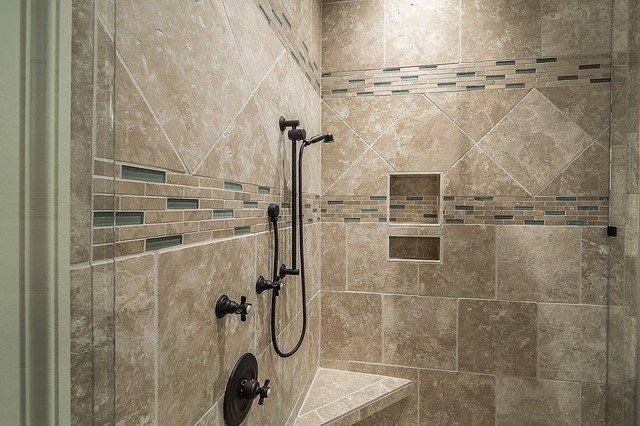
Choosing the right tile for your shower can significantly impact both the aesthetic and functional lifespan of your bathroom. Ceramic and porcelain tiles are two of the most popular options, each offering distinct advantages and considerations. Understanding their differences can help you make an informed decision that aligns with your home improvement goals. This article will explore the key differences between ceramic and porcelain tiles, examine their durability, and offer maintenance tips to ensure your shower remains both beautiful and resilient for years to come.
Ceramic Tile vs Porcelain Tile: Key Differences for Showers
When designing a shower, the choice between ceramic and porcelain tiles often comes down to material composition. Ceramic tiles are crafted from a mixture of clay and other natural materials, then fired at lower temperatures. This results in a more porous and less dense product. In contrast, porcelain tiles are made from a finer clay and fired at higher temperatures, leading to a denser, less porous tile. This increased density contributes significantly to their durability, especially in wet environments like showers.
In terms of Tile for Shower selection, understanding these differences is crucial. Ceramic tiles are typically more affordable and offer a vast array of colors and patterns, making them a popular choice for aesthetic purposes. However, the density and water resistance of porcelain tiles make them a more robust option for areas with high moisture exposure.
Furthermore, porcelain’s ability to resist water absorption means it often adheres better to the strict standards required for achieving LEED Certification, which emphasizes sustainability and environmental responsibility in building projects.
Durability of Ceramic Tile in Shower Environments
Ceramic tiles can be a suitable option for shower walls, provided they are adequately sealed to prevent moisture from seeping into the tile and grout. However, their porosity can pose challenges in environments with constant water exposure. Over time, water can cause ceramic tiles to crack or wear, necessitating more frequent repairs.
Despite these challenges, ceramic tiles remain a viable option for homeowners who prioritize design flexibility and cost-effectiveness. With proper maintenance and the application of a high-quality sealant, ceramic tiles can last for many years. Additionally, their lighter weight makes them easier to install, which can be a significant advantage during the construction phase.
However, ceramic tiles are generally not recommended for high-traffic areas within showers, such as floors, where durability is paramount. The use of a detailed Schematic Design can help in planning the layout to minimize wear on ceramic surfaces.
Porcelain Tile: The Long-Lasting Choice for Showers
Porcelain tiles are renowned for their durability and resistance to moisture, making them an excellent choice for shower environments. Their high-density composition allows them to withstand heavy foot traffic and frequent water exposure without losing their integrity. This makes porcelain tiles particularly suitable for shower floors and walls that encounter constant moisture.
Moreover, porcelain tiles often come with a glazed finish that offers an additional layer of protection against water and staining. This quality ensures that they maintain their appearance and functionality over time, reducing the need for frequent replacements or repairs.
Recent studies from the BuildingGreen platform highlight that porcelain tiles often outperform their ceramic counterparts in long-term durability tests, making them a preferred choice for homeowners seeking longevity. Additionally, the ability to incorporate detailed design elements using CAD software in porcelain tile installations adds an extra layer of customization without compromising durability.
Maintenance and Care for Shower Tiles: Ceramic vs Porcelain
Maintaining shower tiles effectively involves regular cleaning and proper sealing, especially for ceramic tiles. Due to their porous nature, ceramic tiles require a sealant to protect against water damage. Regular inspection and touch-ups of the sealant are essential to maintain their condition and prevent mold or mildew buildup.
Porcelain tiles, while requiring less maintenance, still benefit from regular cleaning to prevent soap scum and mineral deposits. Their dense nature makes them more resistant to staining, which simplifies the cleaning process. However, the grout between porcelain tiles should be monitored and cleaned to prevent discoloration.
Both types of tiles can benefit from an Ergonomic Assessment during the design process to ensure that the layout and maintenance practices are optimized for user comfort and convenience.
Conclusion
When considering which material lasts longer for shower use, porcelain tiles typically offer superior durability and moisture resistance compared to ceramic tiles. This makes them an ideal choice for homeowners seeking a long-lasting, low-maintenance solution in their shower areas. For those prioritizing cost and design flexibility, ceramic tiles remain a viable option with proper care and maintenance. Ultimately, the choice between ceramic and porcelain will depend on individual preferences and project requirements.
