

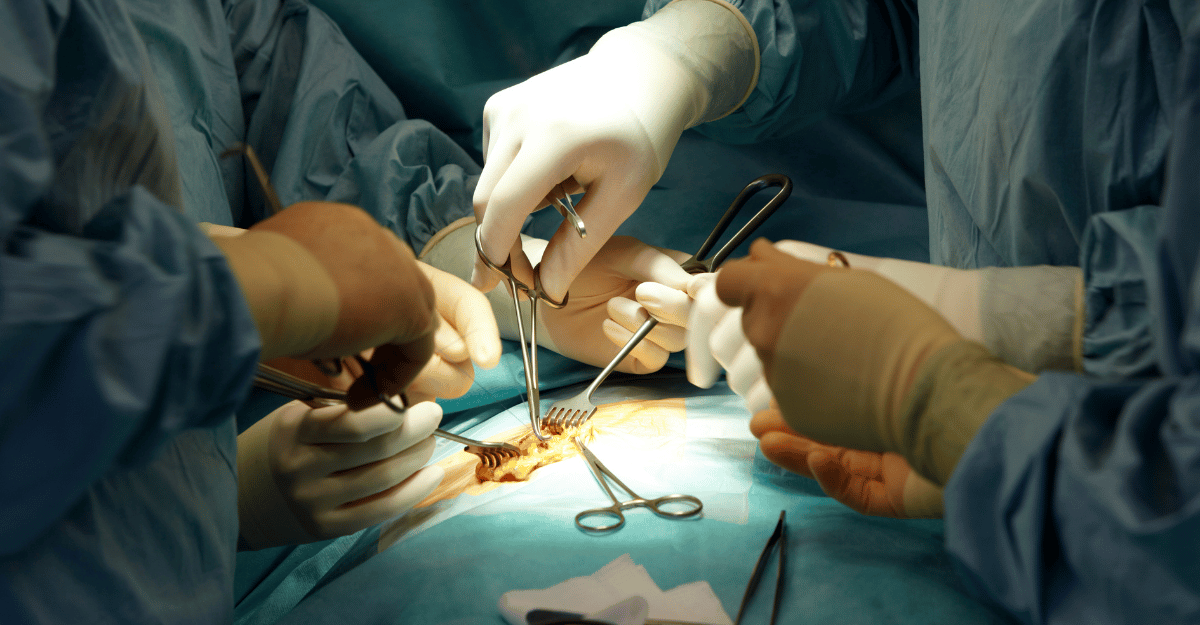
When you or someone you love walks into a hospital in Pittsburgh, you expect to receive safe, professional medical care. Unfortunately, mistakes happen. Medical errors, surgical blunders, misdiagnoses, and medication mix-ups occur far too often. When hospital staff or medical providers fail to meet the standard of care, patients suffer. If you find yourself in this difficult situation, you might wonder what kind of justice and financial relief is available.
Victims of hospital negligence in Pittsburgh have the right to seek financial recovery. Pennsylvania law allows injured patients to pursue compensation for the physical, emotional, and financial tolls caused by substandard medical treatment. Understanding the types of compensation available can help you and your family navigate the legal process and plan for the future.
According to Caroselli, Beachler & Coleman, a medical malpractice & personal injury law firm in Pittsburgh, PA:
“Hospitals are responsible for the behavior of the people they employ. If the doctors, nurses, interns, residents and laboratory technicians that work for the hospital commit medical malpractice, hospitals can be held accountable for the injuries and damage done.
“Unfortunately, it is not unusual for mistakes to be made in hospitals, and there are many different ways that serious errors can happen. Many hospitals and treatment facilities are understaffed these days, especially in states like Pennsylvania where we have an aging population.
“Lack of adequate staffing leads to all kinds of other problems, such as poor training, overworked and overly stressed employees, and a disorganized and chaotic work environment. All of these factors make hospital negligence more likely to occur.
“If you or a loved one has been injured because of hospital negligence, contact the attorneys at Caroselli, Beachler & Coleman, L.L.C., to learn about your options. For half a century, our attorneys have been fighting for injury victims in Pennsylvania, West Virginia, and throughout United States. Our firm focuses exclusively on personal injury and related areas of the law, and we have a successful track record with even the most complex cases.”
Understanding Medical Malpractice in Pittsburgh
Before exploring compensation, it helps to understand what constitutes hospital negligence under Pennsylvania law. Not every bad medical outcome is malpractice. Medicine is complex, and certain procedures carry inherent risks.
To prove hospital negligence in Pittsburgh, you generally must establish four legal elements:
- A doctor-patient relationship existed, establishing a duty of care.
- The medical provider breached that duty by failing to meet the accepted standard of care.
- That breach directly caused your injury or illness.
- You suffered actual damages as a result.
Hospitals can be held liable not just for the actions of their employed doctors and nurses, but also through doctrines like vicarious liability and corporate negligence. Corporate negligence means the hospital itself failed in its administrative duties, such as hiring incompetent staff or failing to maintain proper sanitary protocols.
Economic Damages: Recovering Financial Losses
The most straightforward type of compensation victims can recover consists of economic damages. These are tangible, out-of-pocket financial losses resulting directly from the hospital negligence. Because medical errors often lead to massive bills and prolonged financial hardship, economic damages aim to make you whole again financially.
Past and Future Medical Expenses
Medical bills are usually the largest component of economic damages. When a hospital makes a mistake, you should not have to pay to fix it. Victims can recover the costs of emergency room visits, corrective surgeries, additional hospital stays, specialized treatments, rehabilitation, physical therapy, and prescription medications. Furthermore, if the negligence causes a permanent condition, you can seek compensation for future medical expenses you will need down the road.
Lost Wages and Income
If your injury forces you to miss work, you can recover compensation for the wages you lost during your recovery. This includes hourly pay, salary, bonuses, and commission. If the medical error results in a long-term or permanent disability that limits your ability to work at your previous capacity, you can also claim compensation for lost earning capacity. This calculates the difference between what you would have earned before the injury and what you are able to earn now.
Out-of-Pocket Expenses
Hospital negligence often creates a ripple effect of minor and major expenses. You can recover costs for medical equipment like wheelchairs or crutches, home modifications to accommodate a disability, transportation costs to and from distant medical appointments, and hired help for household chores or childcare while you were incapacitated.
Non-Economic Damages: Compensation for Human Suffering
While economic damages cover monetary losses, non-economic damages address the human cost of the injury. These are intangible losses that do not come with a neat receipt or invoice. Yet, they are often the most profound consequences of medical malpractice.
Pain and Suffering
Physical pain and discomfort resulting from a hospital’s mistake can linger for months or years. Victims are entitled to compensation for the physical agony they endured during and after the botched procedure or misdiagnosis. This includes chronic pain, surgical discomfort, and recovery struggles.
Emotional Distress
Medical trauma leaves deep psychological scars. Victims frequently experience anxiety, depression, post-traumatic stress disorder (PTSD), fear of medical settings, and sleep disturbances. Compensation can help cover the cost of therapy, counseling, and psychiatric care required to address these emotional wounds.
Loss of Enjoyment of Life
When a medical injury permanently alters your lifestyle, you may no longer be able to participate in the hobbies, sports, social activities, and family moments you once cherished. Loss of enjoyment of life compensates you for this diminished quality of living.
Loss of Consortium
In some cases, the impact of hospital negligence extends to the victim’s spouse or family. Loss of consortium compensates a spouse for the loss of companionship, affection, comfort, and intimate relations resulting from the injury.
Punitive Damages in Rare Cases
In addition to economic and non-economic damages, Pennsylvania courts occasionally award punitive damages. Unlike compensatory damages, which aim to help the victim, punitive damages are designed to punish the hospital or medical provider for egregious behavior and deter similar conduct in the future.
To secure punitive damages in Pittsburgh, your legal team must prove that the hospital’s actions went beyond ordinary negligence and involved reckless indifference to the safety of others, malice, or extreme fraud. Because these standards are exceptionally high, punitive damages are relatively rare in medical malpractice claims, but they do happen in cases of severe institutional negligence or cover-ups.
Caps on Damages in Pennsylvania
When looking at compensation, victims often ask if there are limits to how much they can recover. In Pennsylvania, the rules regarding damage caps are quite specific.
For economic damages, there are no caps. You can recover the exact amount of your medical bills, lost wages, and other financial losses, provided you can prove them with documentation.
For non-economic damages (like pain and suffering), Pennsylvania generally does not place a statutory cap on standard medical malpractice cases. This differs from some other states that limit pain and suffering awards. However, there are specific rules and constitutional considerations regarding punitive damages and certain claims against government-run institutions, which makes having a local Pittsburgh attorney essential for evaluating your potential recovery.
The Role of Insurance Companies and Settlement Negotiations
Most hospital negligence claims do not go all the way to a courtroom trial. Instead, they are resolved through settlement negotiations with the hospital’s insurance provider or legal defense team.
Insurance companies are businesses, and their primary goal is to minimize payouts. They may offer a quick, low settlement early in the process before the full extent of your injuries is known. Accepting an early offer can leave you stranded if your medical condition worsens and you require more surgeries or long-term care.
An experienced Pittsburgh medical malpractice lawyer acts as your advocate during these negotiations. They gather comprehensive medical records, consult with independent medical experts to prove liability, calculate your total economic and non-economic damages, and fight for a settlement that truly reflects your losses.
How Shared Fault Can Impact Recovery
Pennsylvania follows a modified comparative negligence rule with a 51% bar. This means that if you are partially at fault for your injury, your compensation can be reduced, but only up to a certain point.
If you are found to be 50% or less at fault, you can still recover compensation, though your award will be reduced in proportion to your percentage of fault. For example, if you are awarded $100,000 in damages but found to be 20% responsible for failing to follow post-operative instructions, your recovery would be reduced to $80,000. However, if you are found to be 51% or more at fault, you are barred from recovering anything.
In hospital negligence cases, proving patient fault is a common defense tactic used by hospitals to minimize liability, making expert legal representation crucial.
Time Limits: The Statute of Limitations
If you intend to seek compensation for hospital negligence in Pittsburgh, time is of the essence. Pennsylvania has strict deadlines, known as the statute of limitations, for filing medical malpractice lawsuits.
Generally, you have two years from the date the injury occurred to file a lawsuit. However, medical malpractice law includes the “discovery rule.” Under this rule, if you could not reasonably have known about the injury or its negligent cause right away—such as a surgical sponge left inside your body that only caused symptoms months later—the two-year clock may start ticking from the date the injury was discovered or should have been discovered.
There are also special rules for minors injured by medical negligence. For children, the statute of limitations is often tolled until they turn 18, meaning they typically have until their 20th birthday to file a claim. Despite these exceptions, waiting too long can destroy your case, as medical records can disappear and witnesses’ memories fade.
Steps to Take If You Suspect Hospital Negligence
Navigating the aftermath of medical malpractice is overwhelming. Taking the right steps early protects both your health and your legal rights:
- Prioritize Your Health:Seek immediate follow-up care from a different doctor or hospital to treat your injuries and document your condition.
- Request Your Medical Records:Obtain complete copies of all medical records, charts, test results, and surgical notes related to your hospital stay.
- Document Everything:Keep a detailed journal of your physical symptoms, emotional state, medical appointments, out-of-pocket expenses, and missed work days.
- Avoid Social Media:Do not post details about your injury, recovery, or potential lawsuit on social media platforms, as insurance adjusters actively monitor these accounts to find ammunition against you.
- Consult a Qualified Attorney:Speak with a reputable medical malpractice lawyer in Pittsburgh who handles hospital negligence claims. Most offer free initial consultations and work on a contingency fee basis, meaning you pay nothing unless they recover money for you.
