

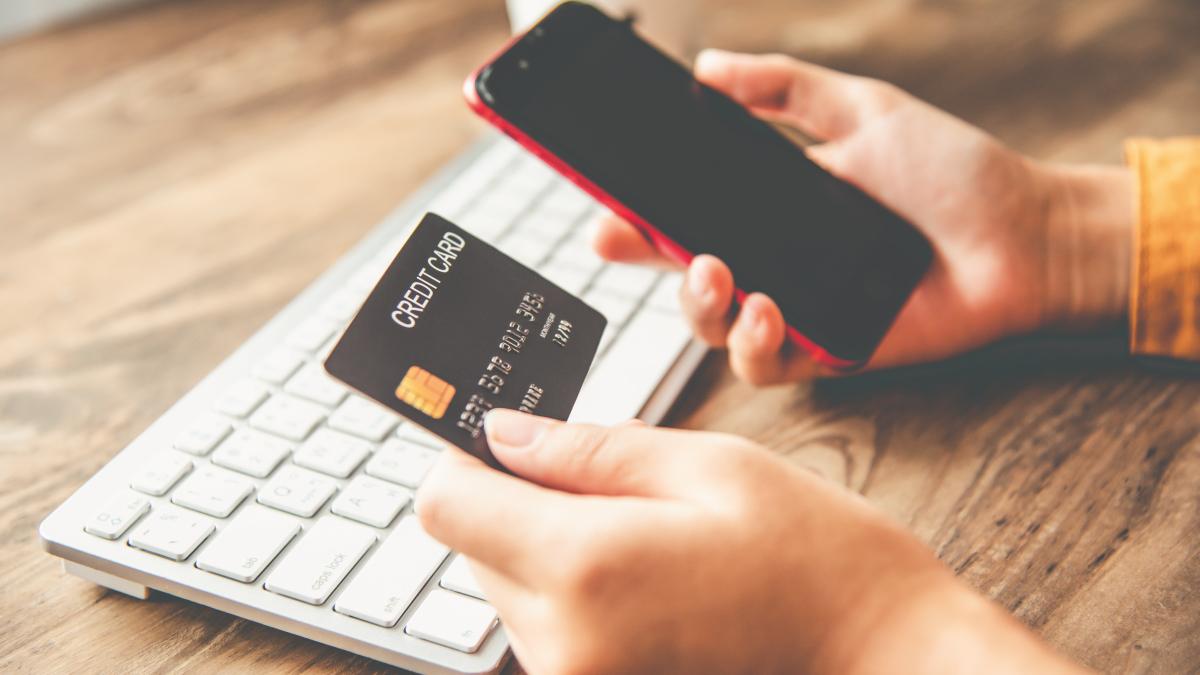
Indians have embraced digital payments faster than almost any large market, yet their choices inside that ecosystem remain surprisingly conservative. UPI may dominate daily transactions, but when it comes to selecting the app or brand that powers those payments, familiarity still outweighs novelty. The pattern shows up across e‑commerce, bill payments, and especially in real‑money gaming, where trust and speed matter more than flashy features.
Trust gaps that new fintech apps struggle to cross
India’s digital payment landscape is crowded. Hundreds of fintech apps promise smoother onboarding, cashback rewards, or specialised wallets. But adoption data consistently shows that users gravitate toward brands they already know from offline life or long-term digital presence.
Three factors drive this behaviour:
First, Indians treat payment apps as extensions of their bank accounts. Any platform that touches money must feel predictable. A new fintech app, even with a polished interface, carries an invisible risk premium. Users worry about failed transactions, refund delays, or the possibility of the app shutting down without warning.
Second, the Reserve Bank of India’s regulatory actions over the past few years have made users more cautious. When a major wallet or fintech faces restrictions, the news spreads quickly through WhatsApp groups and family circles. People respond by retreating to the safest option they know, usually a bank-backed app or a long-standing UPI provider.
Third, digital literacy varies widely across the country. A user in Mumbai may experiment with a new fintech app, but someone in a tier‑2 city often prefers the app their bank recommends or the one their friends already use. Social proof matters more than marketing.
This is also why platforms that combine payments with broader digital behaviour are counted as Indian’s best online betting hubs, are tend to attract users who want a familiar environment rather than a new fintech interface layered on top of their transactions.
Why UPI reinforces loyalty to established brands
UPI’s design encourages habit formation. Once a user links their bank account to a particular app, they rarely switch unless something breaks. The friction of re‑setting UPI PINs, re‑authorising accounts, and learning a new interface discourages experimentation.
Data from payment processors shows that users typically stick to one or two UPI apps for 90 percent of their transactions. Even when new apps offer incentives, the shift is temporary. Cashback-driven spikes fade once the rewards stop.
The behavioural reasons are straightforward:
- People trust the app that has never failed them during peak hours.
- They prefer the interface they already understand.
- They rely on the app that works smoothly during high‑pressure moments, such as paying rent or sending money to family.
In real‑money gaming, this loyalty becomes even stronger. Users want instant deposits, fast withdrawals, and clear transaction histories. A failed payment during a live cricket match or a fantasy deadline can permanently damage trust. That is why platforms that highlight stable UPI flows and familiar payment rails tend to outperform those that push experimental fintech integrations.
The psychology of familiarity in financial decisions
Financial behaviour in India is shaped by a mix of caution and convenience. Even tech‑savvy users show a preference for brands they have seen for years. This is not resistance to innovation; it is a rational response to risk.
A few psychological patterns explain the trend:
- Loss aversion: A failed payment feels worse than the benefit of a new feature.
- Status quo bias: People stick to what works, especially for money-related tasks.
- Community influence: If everyone in a family uses the same app, switching feels unnecessary.
These patterns are amplified in gaming, where users often make multiple small transactions rather than one large one. The more frequent the payment, the more important reliability becomes.
Where new fintech apps fall short
New fintech apps often assume that better design or more features will win users over. But the gaps they face are structural.
Many lack long-term brand equity. Others struggle with customer support during high-volume events, such as IPL evenings when UPI traffic surges. Some rely on aggressive marketing without building the operational backbone needed to handle millions of micro-transactions.
Users notice these weaknesses quickly. A single failed withdrawal or delayed refund can push them back to the apps they trust. This is why UPI-focused platforms that provide clear, stable transaction flows and transparent processing times remain the preferred choice for most Indian users. For many, the comfort of everyday UPI payments outweighs the appeal of a new fintech experiment.
What the data suggests about the next phase of adoption
India’s payment ecosystem will keep expanding, but the dominance of familiar brands is unlikely to fade soon. The next wave of adoption will revolve around three measurable trends.
First, UPI Lite and credit-on-UPI will deepen existing loyalties rather than create new ones. Users will simply extend their current habits into new features.
Second, cross-platform integration will matter more than standalone apps. Payment tools that blend seamlessly with shopping, gaming, or entertainment platforms will gain traction faster than apps that try to exist in isolation.
Third, regulatory clarity will shape user confidence. Whenever the RBI tightens norms, users shift toward the safest, most established options. This pattern has repeated multiple times and is likely to continue.
For users who rely on UPI for gaming-related transactions, the need for accurate, real-time information about payment reliability becomes even more important. Platforms that provide structured views of everyday UPI payments help users make decisions based on consistency rather than marketing claims.
The long-term outlook for fintech adoption in India
India’s fintech market is not slowing down, but its growth will be uneven. New apps will continue to emerge, but only a few will break into the mainstream. The rest will serve niche audiences or fade out after short bursts of activity.
The broader trend is clear: Indians prefer payment brands that feel stable, predictable, and deeply integrated into their daily routines. Novelty may attract attention, but familiarity wins transactions.
In a market where trust is earned one payment at a time, the brands that have already proven themselves will continue to shape how Indians move their money, whether they are paying for groceries, sending money home, or making small-stake gaming transactions during a cricket match.
