

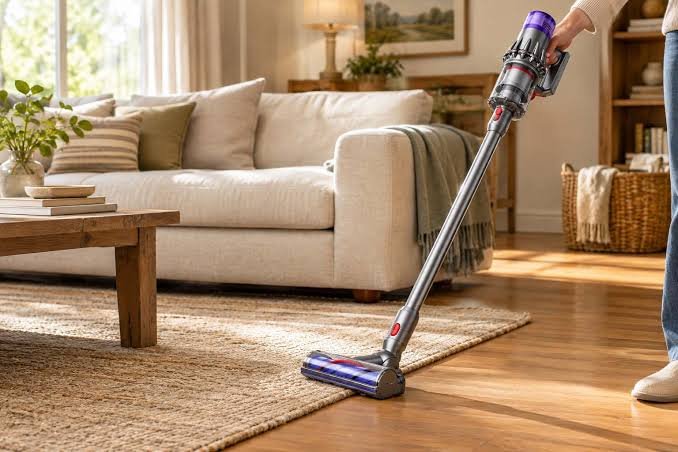
Household dust is rarely just one thing. It’s usually a messy mix of textile fibers, soil and pollen tracked in from outside, pet dander, shed skin cells, and whatever else settles on surfaces throughout the home. Building a thoughtful cleaning routine matters not just for appearance but for maintaining reasonably clean indoor air. Many households now combine manual effort with automated tools.A robot vacuum can be a genuinely useful part of a broader dust-management plan, but it won’t replace dusting, spot cleaning, ventilation, or the occasional deep clean. This article focuses on general principles that apply across most homes rather than pushing any particular product or brand.
Why Dust Accumulates in Homes
Dust makes its way indoors through doors, windows, and vents, hitching a ride on shoes, clothing, and pets along the way. Carpets, upholstery, and bedding shed fibers continuously, while cooking, combustion, and renovation work add even more particles to the mix. Once inside, dust doesn’t settle evenly, it tends to accumulate on horizontal surfaces, baseboards, blinds, and the undersides of furniture. Foot traffic and air movement can stir up settled particles all over again, and clutter only adds more surfaces for dust to cling to, making thorough cleaning that much harder.
It helps to distinguish settled dust from airborne particulate matter, since the cleaning method you choose can influence how much dust ends up back in the air during the process. Guidance from organizations such as the U.S. Environmental Protection Agency and the American Lung Association emphasizes reducing indoor particulate sources and improving ventilation, though no routine can eliminate every indoor particle. Regular cleaning keeps buildup in check, but it’s realistic to think of it as ongoing maintenance rather than a one-time fix.
The Most Effective Order for Cleaning
A logical sequence saves you from redoing work. Start with the higher surfaces like the shelves, ceiling fans, light fixtures, and blinds before moving down to furniture and finally the floors. Since loosened particles settle downward due to gravity, cleaning floors first usually just means cleaning them twice. Working zone by zone, rather than bouncing between rooms, also helps you avoid tracking dust back through areas you’ve already finished.
Favor methods that capture dust rather than scatter it. A damp microfiber cloth traps particles far more effectively than dry dusting does, and cloths should be rinsed or swapped out regularly so they aren’t simply redistributing what they picked up a few minutes earlier. Floors should always come last: vacuum carpets, rugs, and hard flooring according to the surface type and the equipment’s instructions, then mop compatible hard floors with an appropriate solution, taking care not to oversaturate. Pay extra attention to edges, corners, entryways, and the spaces beneath furniture, where dust likes to hide.
Best cleaning sequence: declutter, dust high surfaces, clean furniture and frequently touched areas, vacuum or otherwise clean floors, mop compatible hard flooring, then launder or clean the reusable supplies used along the way.
How Often Should Different Areas Be Cleaned?
Cleaning frequency should respond to actual conditions rather than a fixed calendar. Visible dirt and spills deserve prompt attention, and high-touch surfaces warrant more frequent cleaning, especially when someone in the household is under the weather. Carpets and upholstery generally need routine vacuuming, adjusted for pets, allergies, and foot traffic, while less-touched areas like baseboards and blinds can wait until buildup becomes noticeable. Entryways typically need more frequent attention simply because they absorb the brunt of outdoor soil.
Households with pets may need more frequent hair and dander removal, and allergy-sensitive occupants may benefit from cutting back on dust-collecting furnishings and using suitable filtration. There is no single correct cleaning schedule; frequency should reflect traffic, occupants, pets, surfaces, and visible buildup.
Choosing Cleaning Tools Without Overcomplicating the Routine
Matching the tool to the surface matters far more than accumulating a closet full of specialized equipment. The right attachments help with carpets, upholstery, and tight crevices, while floor-cleaning methods should avoid scratching or oversaturating the material. A tool’s real-world usefulness ultimately comes down to how well it’s maintained and used, not how impressive its feature list looks on paper.
High-efficiency filtration, such as HEPA filtration, can meaningfully cut down on the fine dust released back into the air during vacuuming. That said, filters, brushes, and dust containers need regular cleaning or replacement per manufacturer instructions. A poorly maintained device can lose effectiveness and even end up redistributing debris instead of removing it. Automated devices can add real convenience to a larger routine, but they work best as one piece of the puzzle, not a complete substitute for manual cleaning.
Cleaning and Disinfecting Are Different Tasks
Cleaning removes dirt, dust, and some germs, while disinfecting relies on a product intended to kill specific germs on suitable surfaces. Not every household surface actually needs routine disinfection. When disinfection is appropriate, clean the surface first, then follow the product label closely for dilution, contact time, and ventilation. Never mix bleach with other cleaning products, keep chemicals well out of reach of children and pets, and use only products suited to the material you’re treating.
Clean vs. disinfect: Cleaning physically removes visible dirt and reduces germs; disinfecting targets specific pathogens using a dedicated product and sufficient contact time.
Practical Examples for Different Homes
In a small apartment, prioritizing the entryway, kitchen, and living area paired with reduced clutter often delivers more noticeable results than trying to deep-clean the entire space every week. In homes with pets, pairing regular floor cleaning with laundering pet bedding and tackling hair buildup near feeding areas tends to work better than floor cleaning alone. For allergy-sensitive households, damp dusting, suitable filtration, and keeping the sensitive person out of the room during vigorous vacuuming can help, though it’s worth remembering that dust is never fully eliminated. Sometimes it’s useful to simply notice how much faster dust builds up in a busy entryway compared with a rarely used bedroom, that contrast alone often reveals exactly where attention is needed most.
Common Cleaning Mistakes to Avoid
Frequent missteps include dusting after the floors are already done, reaching for a dry cloth that merely relocates dust instead of capturing it, neglecting filters and dust containers, oversaturating moisture-sensitive flooring, disinfecting surfaces that don’t need it, mixing chemicals, and relying on a single weekly session or device to handle every cleaning need.
Trustworthy Sources and Editorial Standards
Guidance on dust control, filtration, and chemical safety should draw on public-health and environmental sources rather than commercial claims. Where specific equipment is discussed, checking details against current manufacturer instructions helps keep the guidance accurate and current.
A Simple Maintenance Plan
Rather than sticking to a rigid calendar, consider a more flexible plan: address spills and visible debris daily or as needed, handle dusting, vacuuming, and high-touch surfaces on a regular basis, and schedule baseboards, blinds, upholstery, and filters for periodic attention. A sustainable routine is more effective than an ambitious routine that’s hard to keep up.
Keeping the Routine Realistic
Identify which rooms matter most rather than trying to tackle everything at once, break larger tasks into short sessions, and keep basic supplies within easy reach. Build cleaning around habits you already have, wiping the entryway after outdoor activity or the counters after cooking and revisit the routine whenever pets, occupants, or living arrangements change.
A Cleaner Routine With Less Unnecessary Work
An efficient routine cleans from high to low, captures dust instead of scattering it, matches tools to surfaces, keeps equipment well maintained, and separates cleaning from disinfecting. Automated floor-cleaning tools can support this process, but they’re not a substitute for a complete routine. Start by noticing where dust accumulates most in your own home, pick one or two changes that will make the biggest difference, and build a routine you can realistically stick with.
