

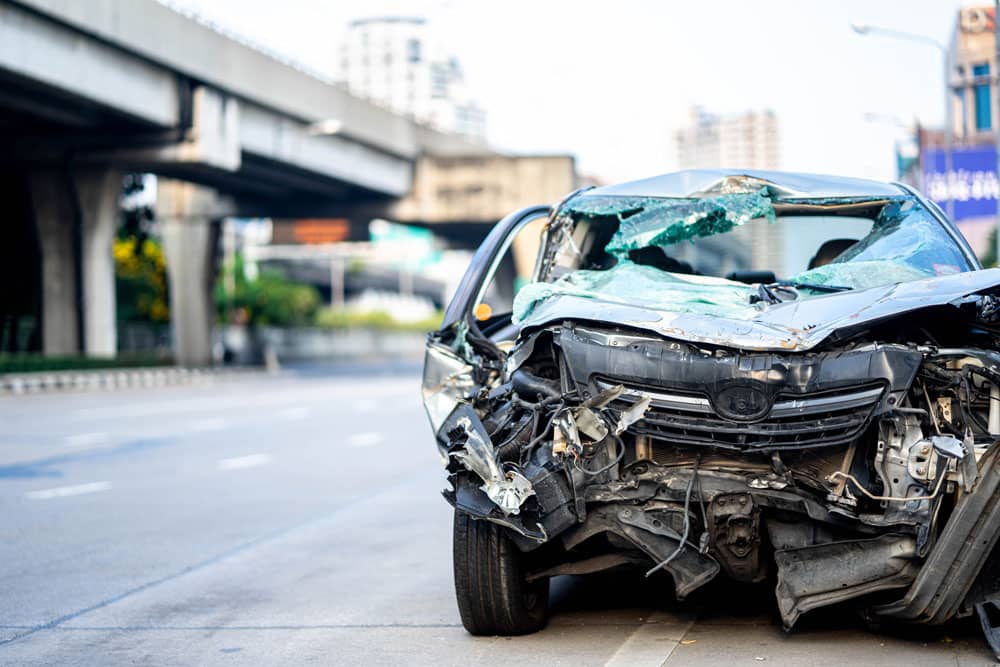
Traffic deaths in the United States continue to rise, and new data compiled by Bana Law highlights how speeding and alcohol remain two of the most persistent and intertwined contributors. The study examines national crash records, demographic patterns, environmental conditions, and arrest rates to understand how these factors overlap and which groups face the greatest danger.
The findings show that both behaviors independently cause thousands of deaths each year. When combined, they create a significantly higher risk of fatal crashes, especially among younger drivers and those traveling at night. The study also reveals clear differences between male and female injury outcomes, as well as major disparities in drunk driving arrests across states.
This report breaks down the data into clear sections to help readers understand the scale and patterns of the problem.
Speeding: A Persistent Contributor to Fatal Crashes
Speeding continues to play a major role in roadway deaths. In 2023 alone, 11,775 people died in speeding related crashes, representing 29 percent of all traffic fatalities. Another 332,598 people were injured, which accounts for 14 percent of all traffic injuries.
Key speeding statistics
- 37 percent of male drivers aged 15 to 20 involved in fatal crashes were speeding
- 18 percent of female drivers in the same age group were speeding
- 16 percent of speeding fatalities occurred during the day
- 21 percent occurred at night
Road conditions linked to speeding fatalities
- Wintry conditions: 41 percent
- Dry roads: 18 percent
- Wet roads: 22 percent
- Snow filled or slushy roads: 34 percent
- Sand, mud, oil, dirt, standing or moving water, or gravel: 36 percent
These numbers show that speeding is not limited to poor weather. It remains a widespread issue across all road conditions.
Drunk Driving: A Longstanding National Crisis
Alcohol impairment continues to be one of the most dangerous factors on American roads. According to federal data, about one million people are arrested each year for driving while impaired. Alcohol is involved in 30 percent of all motor vehicle deaths.
Based on 2025 fatality trends, this translates to more than 5,000 deaths in the first half of the year and more than 10,000 deaths annually.
Drunk driving deaths in 2023
- Total fatalities: 12,429
- Drivers over the legal limit: 7,494 (60 percent)
- Passengers riding with impaired drivers: 1,571 (13 percent)
- Occupants of other vehicles: 1,980 (16 percent)
- Nonoccupants such as pedestrians or cyclists: 1,384 (11 percent)
Time of day patterns
- Nighttime drunk driving fatalities: 69 percent
- Daytime drunk driving fatalities: 27 percent
- Dusk: 3 percent
- Dawn: 1 percent
Urban versus rural
- Urban areas: 61 percent of fatal drunk driving crashes
- Rural areas: 39 percent
Age groups with the highest impairment rates
The 21 to 24 year old group had the highest percentage of alcohol impaired drivers involved in fatal crashes at 28 percent.
Motorcycle riders also showed higher impairment rates than drivers of passenger cars or trucks.
Gender Differences in Crash Outcomes
The study highlights a significant gender gap in injury risk. In 2023, 22 percent of male drivers involved in fatal crashes were impaired, compared to 16 percent of female drivers. However, women face higher injury risks in many crash scenarios.
Increased injury risk for women
- 46 percent higher risk in frontal crashes
- 55 percent higher risk in rollover crashes
- 62 percent higher risk of lower extremity injuries in frontal crashes
- 128 percent higher risk of foot and ankle injuries in frontal crashes
A major factor is the historic reliance on male crash test dummies. The approval of a female crash test dummy in January 2026 may help reduce this disparity in future vehicle designs.
Where Drunk Driving Arrests Are Most Common
The study also compares state level arrest rates. Rural states dominate the list of places with the highest number of drunk driving arrests per 100,000 drivers.
Top 10 states for drunk driving arrests
| State | Arrests per 100k drivers |
|---|---|
| South Dakota | 879.12 |
| North Dakota | 832.5 |
| Wyoming | 629.12 |
| Alaska | 553.76 |
| Idaho | 519.65 |
| Nevada | 502.9 |
| Wisconsin | 486.64 |
| Minnesota | 466.68 |
| Vermont | 460.5 |
| Maine | 456.98 |
Bottom 10 states for drunk driving arrests
| State | Arrests per 100k drivers |
|---|---|
| Delaware | 42.57 |
| Illinois | 69.83 |
| Florida | 93.95 |
| Louisiana | 116.05 |
| Alabama | 130.53 |
| Ohio | 139.1 |
| Massachusetts | 160.79 |
| New York | 163.97 |
| North Carolina | 201.48 |
| West Virginia | 217.29 |
These differences reflect a mix of enforcement practices, population density, and cultural factors.
How Alcohol and Speed Interact
One of the most important findings from the Bana Law study is the strong connection between speeding and alcohol impairment. Drivers are considered impaired at a blood alcohol content of 0.08 g per dL, but even small amounts of alcohol increase crash risk.
Combined speeding and alcohol statistics
- 38 percent of speeding drivers in fatal crashes had alcohol in their system
- 25 percent were legally impaired
- Only 10 percent of non speeding drivers in fatal crashes were impaired
- 20 percent of non speeding drivers had any alcohol in their system
This shows that speeding drivers are far more likely to be impaired than drivers who were not speeding.
Age Groups Most at Risk When Both Factors Combine
The study breaks down combined speeding and alcohol involvement by age group.
Ages 21 to 24
- 52 percent of drivers in fatal crashes were speeding
- 41 percent of speeding drivers had alcohol in their system
- 27 percent were impaired
- 14 percent had a BAC of 0.15 or higher
Ages 25 to 34
- 50 percent of drivers in fatal crashes were speeding
- 44 percent of speeding drivers had alcohol in their system
- 30 percent were impaired
- 14 percent had a BAC of 0.15 or higher
Under age 21
- 67 percent of drivers in fatal crashes were speeding
- 28 percent had alcohol in their system
- 15 percent were impaired despite being under the legal drinking age
Ages 35 to 54
- 52 to 55 percent of drivers in fatal crashes were speeding
- 41 to 43 percent of speeding drivers had alcohol in their system
- 18 to 21 percent were impaired
Ages 55 and older
Speeding involvement declines sharply with age.
- Ages 55 to 64: 60 percent decline
- Ages 65 to 74: 74 percent decline
- Ages 75 and older: 83 percent decline
Alcohol involvement also drops significantly in older age groups.
Why Nighttime Crashes Are More Common
The study connects nighttime crash patterns to post work social drinking. According to national surveys, the average American worker spends more than three thousand dollars a year on after work drinks. Many believe these gatherings improve team bonding.
Additional data points
- Average post work drinking session: 1.8 hours
- One in ten workers consumes shots during these outings
- Most sessions occur during the 4 pm to 6 pm happy hour window
- Of 5,343 alcohol impaired drivers involved in fatal weekday crashes, 3,508 occurred in the evening
The hours between 6 pm and 8 pm are especially dangerous because they overlap with the time many people drive home after drinking.
A Clear Pattern of Risk
The data from Bana Law shows a consistent pattern. Speeding and alcohol are each dangerous on their own, but together they create a significantly higher likelihood of fatal crashes. Younger adults are especially vulnerable, and nighttime hours remain the most hazardous period on American roads.
The study also highlights broader issues, including gender based injury disparities and inconsistent state level penalties for impaired driving. Some states treat first offenses as civil infractions, while others impose penalties that can include lengthy prison sentences.
The findings suggest that reducing these fatalities will require a combination of improved vehicle safety design, stronger enforcement, and cultural shifts around drinking and driving.
