

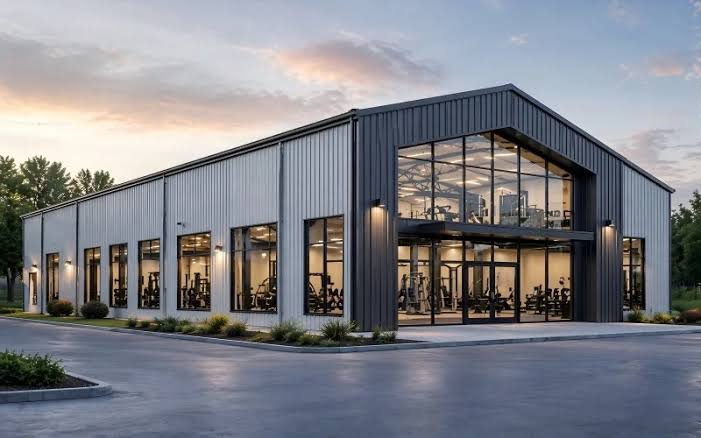
Modular gym structures require careful consideration of design, assembly, and long-term functionality. Every decision during planning directly affects safety, operational efficiency, and maintenance requirements. Coordinating space, electrical systems, and ventilation early prevents costly errors during manufacturing or installation.
Errors often occur when teams underestimate challenges unique to prefab gym buildings. The modular nature of these structures requires precise alignment, high-quality materials, and careful utility integration. Including equipment, HVAC, and electrical specifications during initial planning prevents last-minute modifications while preserving design intent.
Poor Space Allocation Limits Operational Efficiency
Modular gym layouts have fixed dimensions, making space planning crucial for daily operations. Cramped zones for machines, free weights, or cardio areas restrict circulation and reduce functionality. Designers must consider storage for equipment, maintenance access, and emergency pathways in advance.
Proper measurement ensures clearances meet safety standards and allows smooth movement during peak hours. Reviewing layout plans prevents costly adjustments after modules are delivered and assembled. Efficient space allocation maximizes usability without compromising the structural integrity of the facility.
Insufficient Ventilation Reduces Air Quality
Airflow in prefabricated structures requires precise design to maintain comfort and safety. Limited circulation may cause heat buildup, humidity issues, or equipment corrosion in enclosed modular spaces. Mechanical ventilation systems combined with strategically placed vents maintain consistent air quality throughout all sections.
Testing airflow during assembly confirms proper distribution and prevents stagnant zones. Well-designed ventilation protects structural components, enhances occupant comfort, and reduces maintenance problems. Careful planning of intake and exhaust locations ensures balanced ventilation in every modular unit.
Use of Low-Quality Materials Weakens Structural Integrity
Panels, steel frames, and finishes must endure transport, assembly, and daily use without deterioration. Inferior materials can warp, corrode, or fail under stress, increasing repair costs and reducing safety. Verifying manufacturer certifications and reviewing material specifications ensures compliance with construction standards.
High-quality components preserve appearance, structural reliability, and long-term functionality. Inspections during production catch defects early, preventing misaligned or compromised modules. Durable materials maintain operational consistency and extend the life of prefabricated gym facilities.
Improper Equipment Integration Creates Functional Bottlenecks
Equipment placement in prefabricated gyms must accommodate modular limitations and user safety. Overcrowded zones restrict exercise options and reduce workflow efficiency. Allocating power connections and anchoring supports during design prevents post-installation adjustments.
Mapping circulation pathways ensures multiple users can operate equipment safely at the same time. Reviewing layout plans before installation maintains structural alignment and prevents costly modifications. Thoughtful integration improves operational efficiency and preserves intended gym functionality.
Limited Electrical Capacity Restricts Expansion
Electrical systems must support high-demand machines, lighting, and future upgrades in modular facilities. Inadequate circuits, power overloads, interruptions, and damage to essential equipment. Planning panels, voltage distribution, and backup systems ensure consistent functionality.
Coordination between engineers and manufacturers avoids retrofit challenges or installation conflicts. Proper electrical design allows safe operation during peak hours while accommodating future growth. Well-executed systems reduce maintenance needs and improve overall reliability in prefabricated gyms.
Wrong Manufacturer Selection Affects Project Success
The selection of a manufacturer inexperienced with modular assembly can lead to misaligned panels and late delivery. Contracts should define materials, timelines, and quality requirements to prevent disputes. Evaluating prior projects and production standards ensures consistent and reliable results.
Experienced manufacturers follow strict quality controls and maintain predictable schedules. Strong collaboration with a reputable manufacturer guarantees smooth installation and operational readiness. Proper selection secures functional, high-quality modular gyms without unexpected interruptions.
Careful attention to these mistakes enhances functionality, safety, and longevity in prefab gym buildings. Careful planning of space, ventilation, materials, electrical systems, and manufacturer selection ensures reliable performance. Applying these strategies reduces delays, prevents costly errors, and maintains consistent operational standards. Readers should implement these recommendations to achieve well-designed modular gyms that meet all practical and structural requirements. Efficient planning and informed decisions preserve investment value while supporting smooth daily operations.
