
Close Menu
CEOColumnCEOColumn
    What's Hot

    How Modern Life Is Reviving Traditional Tea Habits

    August 17, 2026

    Why Are Growing Businesses Moving from Shared Hosting to VPS?

    August 17, 2026

    How GuardSquare  Alternatives Differ in Mobile App Protection Tools

    August 17, 2026
    Facebook X (Twitter) Instagram
    Facebook X (Twitter) Instagram
    CEOColumnCEOColumn
    Subscribe
    • Home
    • News
    • BLOGS
      1. Health
      2. Lifestyle
      3. Travel
      4. Tips & guide
      5. View All

      How Modern Life Is Reviving Traditional Tea Habits

      August 17, 2026

      Why Dr. Barbara L Robinson Advises Cardiothoracic Surgeons Should Not Let General Surgery Certification Lapse

      August 14, 2026

      The Top-Rated Healthcare GEO Agencies of 2026

      August 14, 2026

      How Medical Weight Loss Turns Health Data into Daily Progress

      August 13, 2026

      How To Maintain A Fashionable Wardrobe Through Better Clothing Care

      August 10, 2026

      Skin Tint Formulation: How Texture, Coverage and Finish Shape Lightweight Face Makeup

      August 7, 2026

      Why Pop-Up Retail Still Works So Well at Busy Events

      July 27, 2026

      Alexandrite as a Meaningful Gift

      July 21, 2026

      Why Hotel Signage Shapes the Guest Experience

      August 7, 2026

      A Complete Relocation Strategy for Remote Entrepreneurs Moving to Thailand

      August 7, 2026

      What Makes a Private Jet Brokerage Genuinely Worth Working With

      July 31, 2026

      Why California CEOs Keep Choosing Summerlin, Nevada

      July 20, 2026

      The Executive’s Guide to Getting Real Value From an Annual Conference

      July 22, 2026

      How Australians Pay for Online Games: Safety and Fees Explained

      July 11, 2026

      Understanding the Value of Professional Legal Guidance

      June 18, 2026

      How Attorneys Balance Negotiation and Litigation Strategies

      June 18, 2026

      Is There a Way to Make Long-Distance Driving Easier?

      August 17, 2026

      What to Do Before Contacting a Truck Accident Attorney Today

      August 14, 2026

      What to Expect in a Personal Injury Case From Start to Resolution

      August 14, 2026

      What Truck Crash Victims Should Know Before Pursuing Compensation

      August 14, 2026
    • BUSINESS
      • OFFLINE BUSINESS
      • ONLINE BUSINESS
    • PROFILES
      • ENTREPRENEUR
      • HIGHEST PAID
      • RICHEST
      • WOMEN ENTREPRENEURS
    CEOColumnCEOColumn
    Home»News»Why Do We Throw Away 15-Year-Old Motors Just Because a Plastic Latch Broke?

    Why Do We Throw Away 15-Year-Old Motors Just Because a Plastic Latch Broke?

    OliviaBy OliviaApril 6, 2026Updated:April 6, 2026No Comments5 Mins Read

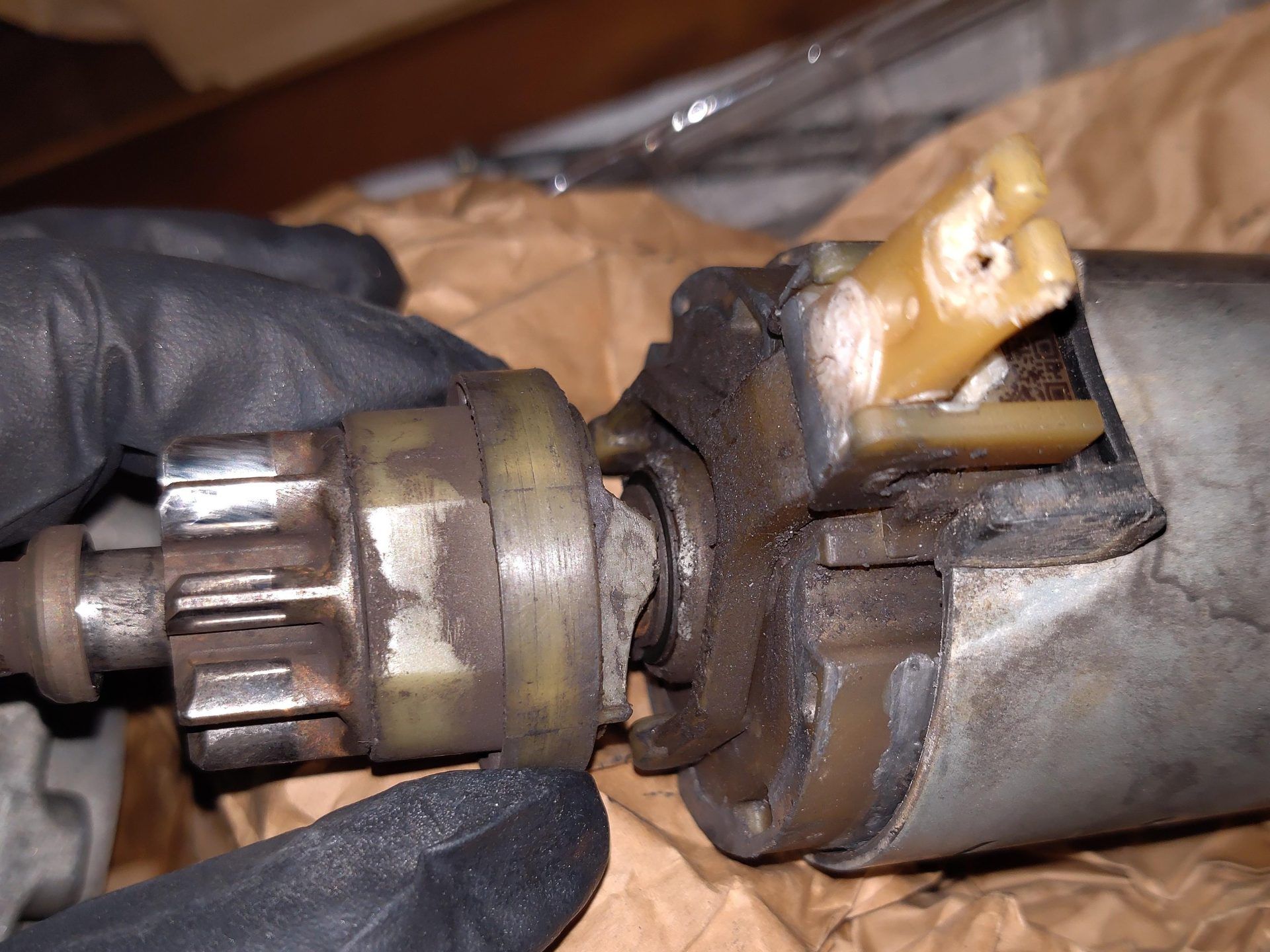
    We have all experienced that deeply frustrating, highly specific moment of household defeat. You are pulling your reliable, heavy-duty canister vacuum out of the hall closet. It catches slightly on the doorframe, you give the hose an impatient tug, and snap. The plastic locking latch connecting the flexible hose to the main canister cracks in half.

    You plug the machine into the wall, and the motor roars to life with the exact same aggressive power it has possessed for a decade. But because of a two-inch piece of broken plastic, the physical seal is compromised. The suction escapes harmlessly into the room, and the floor nozzle picks up absolutely nothing. The machine is effectively dead.

    In the modern era of hyper-consumerism, our immediate reaction to this scenario is to drag the entire heavy appliance to the curb. We mentally write off the machine and start browsing the internet for a shiny, $400 replacement. But if we pause and think about the sheer mechanical absurdity of that decision, a glaring problem emerges. We are throwing away a perfectly calibrated, heavy-copper electric motor—a piece of sophisticated engineering designed to last twenty years—simply because a ten-cent piece of molded plastic failed.

    The Golden Age of Generational Engineering

    To understand why this is a tragedy, we must look at how high-end vacuums were historically manufactured. If you own a premium European-style canister vacuum built anytime between the late 1990s and the 2010s, you likely own a mechanical masterpiece.

    These legacy brands built their global reputations on impenetrable sealed motor housings, incredible airflow physics, and robust electrical components. These machines were not designed to be disposable commodities; they were engineered to be generational tools. The motors inside these heavy canisters are often capable of running for tens of thousands of hours without a single hiccup.

    However, the peripheral accessories—the flexible hoses, the spinning floor brushes, the telescopic metal wands, and the connection latches—bear the absolute brunt of physical household abuse. They are dragged up hardwood stairs, slammed into baseboards, chewed on by pets, and stepped on by children. They are the sacrificial bumpers of the appliance world. They are meant to take the damage so the motor does not have to.

    The Anatomy of a Peripheral Failure

    When an older vacuum appears to “die,” it is rarely a catastrophic electrical failure. The friction points are almost entirely mechanical and easily identifiable:

    • The Drive Belt: The rubber belt that spins the agitator brush stretches out under the intense heat and friction of thousands of revolutions per minute. When it stretches, it slips, meaning the brush stops spinning when it hits the carpet.
    • The Brush Roll: The stiff nylon bristles physically wear down over time, just like the tread on a car tire. When they get too short, they can no longer reach into the carpet pile to dig out embedded dirt.
    • The Seals and Gaskets: Rubber O-rings dry out and crack, causing microscopic air leaks that devastate the machine’s overall water-lift (suction) power.

    The Economics of the Fix

    For a long time, manufacturers made it intentionally frustrating to fix these peripheral failures. They wanted the cracked plastic wand to trigger a brand-new, highly profitable appliance purchase. This aggressive push toward planned obsolescence generated millions of tons of unnecessary electronic waste.

    Fortunately, the “Right to Repair” movement and the democratization of e-commerce have completely inverted this dynamic. Today, you do not need to be a certified electrician or an appliance mechanic to fix a vacuum cleaner. The internet has unlocked access to the exact schematics and parts required to keep legacy machines running indefinitely.

    Whether you are diagnosing a shattered floor nozzle, replacing a stretched belt, or looking for specific electrolux vacuum replacement parts, the secondary market for component hardware has become incredibly sophisticated. With a standard Phillips-head screwdriver, a five-minute online video tutorial, and a twenty-dollar replacement part, almost any peripheral failure can be remedied directly on your living room floor.

    The Illusion of the “Upgrade”

    Many consumers justify throwing away the old machine by convincing themselves that modern technology is inherently better. They are lured by the promise of sleek, bagless convenience or lightweight, battery-powered stick vacuums.

    But from a pure performance standpoint, replacing a corded legacy canister with a modern battery-operated stick is often a functional downgrade. Older corded motors generate significantly higher airflow metrics. High-end bagged systems actually compress dirt and physically seal it away, whereas bagless systems frequently expose the user to a plume of fine dust every time the bin is emptied over the kitchen trash can. Furthermore, that sleek new cordless vacuum is entirely dependent on a lithium-ion battery that will inevitably degrade and die within three to five years, starting the expensive consumer cycle all over again.

    The next time your heavy-duty vacuum cleaner stops picking up dirt or suffers a cracked hose, resist the urge to immediately reach for your credit card. Unplug the machine, flip it over, and diagnose the actual point of failure. By choosing to repair rather than replace, you are saving hundreds of dollars, refusing to participate in a cycle of disposable engineering, and keeping a phenomenal piece of machinery exactly where it belongs: working hard in your home.

    Share. Facebook Twitter Pinterest LinkedIn Tumblr Telegram Email
    Previous ArticleWhy Are Revenue Operations Teams Drowning in ‘Actionable Insights’ That Nobody Acts On?
    Next Article Guwahati MCO Contact Number & Address Guide 2026
    Olivia

    Olivia is a contributing writer at CEOColumn.com, where she explores leadership strategies, business innovation, and entrepreneurial insights shaping today’s corporate world. With a background in business journalism and a passion for executive storytelling, Olivia delivers sharp, thought-provoking content that inspires CEOs, founders, and aspiring leaders alike. When she’s not writing, Olivia enjoys analyzing emerging business trends and mentoring young professionals in the startup ecosystem.

    Related Posts

    What an Irrigation Company Does for Your Austin Yard

    August 17, 2026

    Motorcycle Accident Claims in Houston

    August 17, 2026

    How Legal Representation Can Help With Workplace Discrimination Cases

    August 14, 2026
    Add A Comment
    Leave A Reply Cancel Reply

    You must be logged in to post a comment.

    Latest Posts

    How Modern Life Is Reviving Traditional Tea Habits

    August 17, 2026

    Why Are Growing Businesses Moving from Shared Hosting to VPS?

    August 17, 2026

    How GuardSquare  Alternatives Differ in Mobile App Protection Tools

    August 17, 2026

    5 corporate event staging mistakes CEOs must avoid

    August 17, 2026

    Best Emergency Notification Systems for Business

    August 17, 2026

    The Hidden Costs of Inefficient Order Fulfilment

    August 17, 2026

    What an Irrigation Company Does for Your Austin Yard

    August 17, 2026

    Motorcycle Accident Claims in Houston

    August 17, 2026

    Is There a Way to Make Long-Distance Driving Easier?

    August 17, 2026

    Height of Ranveer Allahbadia in Feet: The Real Number, Explained

    August 16, 2026
    Recent Posts
    • How Modern Life Is Reviving Traditional Tea Habits August 17, 2026
    • Why Are Growing Businesses Moving from Shared Hosting to VPS? August 17, 2026
    • How GuardSquare  Alternatives Differ in Mobile App Protection Tools August 17, 2026
    • 5 corporate event staging mistakes CEOs must avoid August 17, 2026
    • Best Emergency Notification Systems for Business August 17, 2026

    Your source for the serious news. CEO Column - We Talk Money, Business & Entrepreneurship. Visit our main page for more demos.

    We're social. Connect with us:
    |
    Email: Support@gposting.com

    Facebook X (Twitter) Instagram Pinterest LinkedIn WhatsApp
    Top Insights

    How Modern Life Is Reviving Traditional Tea Habits

    August 17, 2026

    Why Are Growing Businesses Moving from Shared Hosting to VPS?

    August 17, 2026

    How GuardSquare  Alternatives Differ in Mobile App Protection Tools

    August 17, 2026
    © Copyright 2025, All Rights Reserved
    • Home
    • Pricacy Policy
    • Contact Us

    Type above and press Enter to search. Press Esc to cancel.

    Go to mobile version