

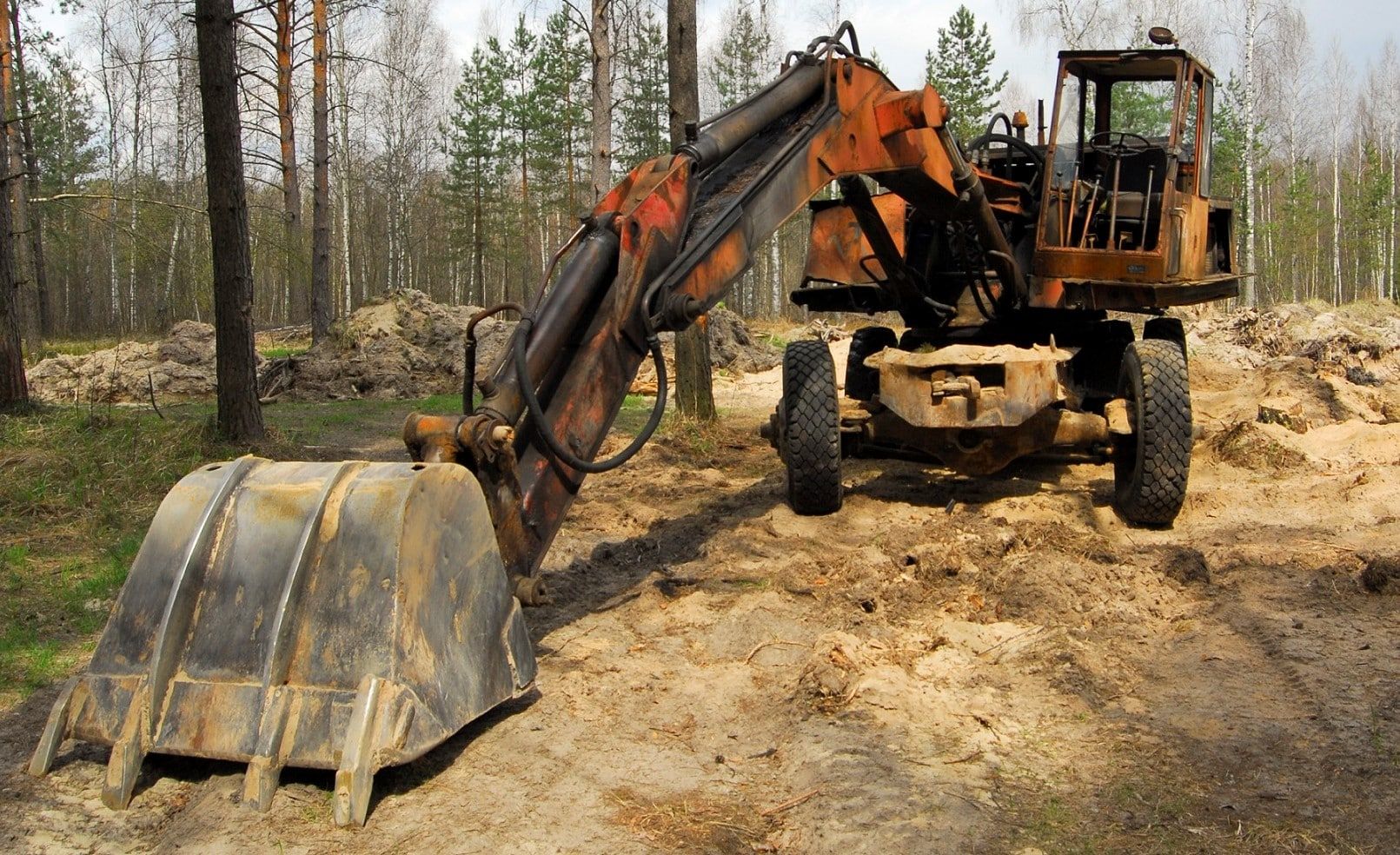
Construction, farming or development often requires clearing of the land which directly impacts the environment. The clearing of trees, plants and natural cover alters the functioning of the land. The equilibrium between land, water, air, and living organisms, is disturbed. Apparently, the land may seem like ready to be used but the natural system that was once in its support is now weakened or even lost. Property owners are able to make better decisions by having understanding of these impacts of clearing land in Burnet Texas.
Death of Plants and Animals:
One of the most obvious effect of land clearing is considered to be vegetation removal. Because the trees, plants, bushes and shrubs are all which support the local ecosystem. Once removed, animals are deprived of their natural habitat, food and shelter.
The result is the decrease of biodiversity, i.e., plant and animal species cannot exist in the region in large numbers. The whole ecosystem could be affected by this imbalance in the future and thus resulting in its inability to restore itself.
Degradation of Soils and Erosion:
Plants are important in binding soil. The soil is exposed to wind and rain when the land is cleared. The top layer of soil can also easily be washed away without the roots to hold it in place.
This is called erosion, making the soil less productive and of low quality. It may also cause uneven ground and pose the danger of landslides in some regions. The loss of soil is difficult to regenerate within a short period of time.
Effect on Water Quality and Flow:
Clearing of land can have a great impact on water sources around it. With disrupted soil, the loose particles may find their way into rivers, lakes and streams through runoff. This may cause the water to be dirty and compromise the water quality.
Moreover, clearing vegetation also decreases the capacity of the land to absorb the rain water. It can result in enhanced surface runoff, which can cause floods in the surrounding locations. The water flow can also interfere with aquatic life and alter the ecosystem of the water body including fish and other creatures in the water bodies.
Projects can mitigate these impacts by engaging environmental consulting to navigate DEC/EPA compliance, erosion control, wetlands permitting, and stormwater plans, improving outcomes during land clearing and subsequent development.
Carbon Emissions:
Plants and trees play significant role in the absorption of carbon dioxide from the air. With their removal, this natural process is decreased. Clearing land in most instances entails the burning of the vegetation and this causes the stored carbon to re-enter into the atmosphere.
This adds to the increasing amounts of greenhouse gases, associated with climate change. The higher the quantity of land cleared and not through sustainable methods, the more the effect on the environment in terms of the quality of air and global temperatures.
Interference of Local Climate Conditions:
Temperature and humidity in an area is greatly controlled by plants. Trees are not only used for aesthetic purposes but they also provide shade, minimise heat impact, preserve the hot soil and moisture within air.
Clearing the land will result in the loss of these natural controls. There is a possibility that the area will be hotter, drier and more vulnerable to extreme weather. Both the land and any future activity to be performed on it can be impacted by this microclimate change.
Environmental Consequences In Future:
Land clearing does not necessarily have immediate impacts. Other effects, such as soil degradation and loss of biodiversity are easier to notice with time.
Without appropriate management of the land after clearing, then the land may be less fertile, more vulnerable to flooding and difficult to develop. Long-term damage to the environment may also result in increased costs of restoration and more stringent regulations in future.
