

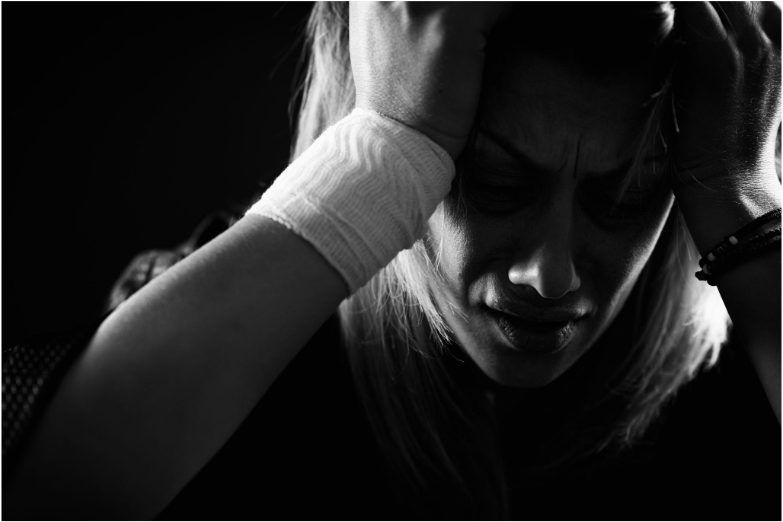
A physical injury is easy to see on an X-ray or a hospital bill. Pain and emotional distress are harder to measure, but they often shape a victim’s daily life just as much as any broken bone. Someone hurt in a Las Vegas crash may deal with sleepless nights, anxiety, or a fear of driving long after the physical wounds close. Insurance companies know these losses are real, yet they still push back hard when it comes time to put a dollar figure on them. Talking with an experienced Las Vegas personal injury lawyer early on can help a victim understand how these losses get valued and proven.
What Pain and Suffering Really Covers
Pain and suffering is a legal term for the physical pain and mental strain caused by an injury. This includes ongoing physical discomfort, emotional distress like anxiety or depression, and the loss of enjoyment of daily activities a person used to do without a second thought. A person who can no longer play with their kids, sleep through the night, or drive on the freeway without panic has suffered real harm, even if no bill shows it.
Nevada law treats these losses as noneconomic damages, separate from medical bills and lost wages. Because there is no receipt for fear or grief, this part of a claim relies heavily on medical records, therapy notes, and a clear account of how daily life has changed since the injury.
How Insurers and Juries Put a Number on Suffering
Adjusters and juries use a few common methods to turn pain into a dollar amount. One popular approach, called the multiplier method, takes the total medical bills and multiplies them by a number based on how severe and lasting the injury is. Another method, called per diem, assigns a daily dollar value to the suffering and multiplies it by the number of days a person is expected to feel it. Both methods rely on solid proof, not guesswork, to hold up during negotiations.
Strong proof usually includes:
- Medical records
- Therapy notes
- Personal journal
- Witness statements
A victim who keeps a simple daily journal describing pain levels, missed activities, and mood changes often builds a far stronger case than one who relies on memory months later. Photos, texts to friends, and statements from family members who saw the change firsthand can also carry real weight.
Why Most Las Vegas Pain and Suffering Awards Have No Cap
Many people assume Nevada limits how much a victim can recover for pain and suffering, but this is not true in most Las Vegas injury cases. Nevada does cap noneconomic damages at $590,000 under NRS 41A.035, but this cap only applies to medical malpractice claims against health care providers. A typical car crash, slip and fall, or dog bite case in Las Vegas has no set ceiling on pain and suffering, so a jury can award whatever amount the evidence supports.
That said, fault still shapes the final number. Nevada follows modified comparative negligence under NRS 41.141, which reduces a victim’s recovery by their percentage of fault and blocks recovery entirely if they are found more than 50% at fault. This means a severe pain and suffering claim can still shrink fast if the insurance company convinces a jury the victim shares part of the blame.
When Emotional Distress Can Lead to Extra Compensation
Severe emotional distress caused by truly reckless or intentional conduct can sometimes open the door to punitive damages on top of regular compensation. These damages punish the wrongdoer rather than simply cover the victim’s losses, and Nevada reserves them for extreme cases rather than ordinary carelessness. A drunk driver who nearly kills a family, for example, faces a very different legal picture than a driver who simply misjudges a turn.
Under NRS 42.005, punitive damages are generally capped at $300,000 when compensatory damages fall under $100,000, or three times the compensatory amount when they equal or exceed that mark. Certain cases fall outside these caps entirely, including:
- DUI crashes
- Product defects
- Insurance bad faith
- Toxic exposure
These extra damages are rare and require strong proof of reckless or intentional conduct, not just an upsetting experience.
Get Help Proving Your Pain and Distress Claim
Pain and emotional distress make up a real and often large part of a Las Vegas injury claim, even though they never show up on a hospital invoice. Nevada law gives victims wide room to recover these losses in most cases, while comparative fault rules and, in rare cases, punitive damages can shift the final number up or down. If you are struggling with pain, anxiety, or emotional strain after an injury, reach out to an injury team that can help you document your losses and pursue the full value of your claim.
