

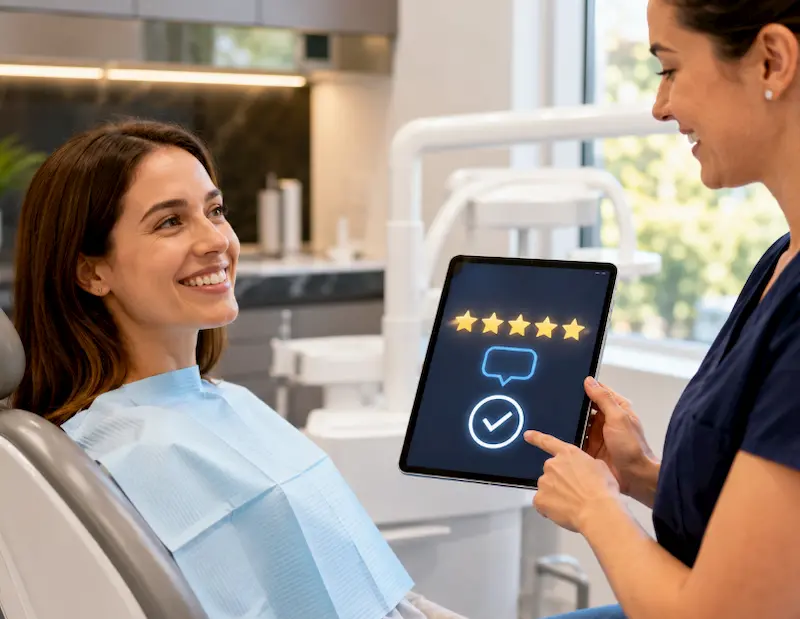
While online reviews can make a dental search feel simple, star ratings rarely tell the whole story. A nearby dental office may have hundreds of comments, yet some may be outdated, vague, or unrelated to the care a new patient needs.
Observing patterns, evidence, and context is essential for effective review reading. With a careful process, patients can separate useful feedback from noise and choose a dentist with greater confidence for oral care.
1. Check Review Recency
Recent comments usually say more than older ones. Dental offices change staff, hours, insurance policies, and technology over time. A five-year-old complaint about scheduling may no longer reflect daily operations.
While searching for a Las Vegas dentist near me, patients should compare current feedback about appointments, care quality, and emergency access. Communication patterns also deserve attention before anyone weighs older praise or criticism.
Scan the newest 10 to 20 reviews first. Look for dates, themes, and shifts in tone. If recent reviews are steady and detailed, they carry more value than older ratings.
2. Look Beyond Stars
A high average rating can also hide weak details. A low score can also come from one billing dispute or a missed call. The written comments matter more than the number alone because they explain what actually happened.
Useful reviews describe the visit, procedure, front desk process, and communication style. Less useful posts say only “great office” or “bad service” without facts. Balanced reviews often mention strengths and minor issues, which can make them more credible.
3. Watch for Repeated Patterns
While one review is an anecdote, ten similar comments may reveal a pattern. Patients should track repeated notes about wait times, cleanings, treatment explanations, pain control, office cleanliness, and billing clarity.
Patterns can be positive or negative. If many people say the team explains costs before treatment, that matters. If several mention rushed visits or unclear fees, that deserves attention. The goal is not perfection. It is to identify what happens often.
4. Compare Reviews With Services
Reviews should also match the care being sought. Someone needing routine cleaning should focus on preventive comments. A patient considering implants, veneers, emergency care, or sedation should look for feedback about those services.
This matters because dental experiences vary by procedure. A person may praise a quick exam but offer no insight into crown work. Another may discuss recovery after oral surgery, which helps patients facing a similar treatment decision.
5. Review How the Office Responds
Public replies can show how a practice handles concerns. Privacy rules limit what dental offices can say, so responses may be brief. Even so, tone matters. A respectful reply that invites direct contact suggests accountability.
Defensive replies, repeated canned language, or public arguments may raise concern. No response is not proof of poor care, but thoughtful replies can add useful context. They show whether the office takes feedback seriously.
6. Check Review Volume and Spread
A strong profile usually has reviews across time, not a sudden cluster from one week. A steady stream suggests ongoing patient activity. A few perfect ratings may be honest, but they give less evidence.
Review spread also matters. Patients can compare comments across platforms, dental directories, and the practice website. The aim is consistency. If the same strengths and concerns appear in several places, the signal becomes stronger.
7. Confirm Practical Details
Reviews are helpful, but they should not replace verification. Patients should confirm insurance, appointment availability, emergency options, payment policies, location, and office hours. These details affect the visit as much as clinical skill.
Calling the office can test communication. Clear answers, patient explanations, and polite follow-up support review claims. If a review mentions a concern, a direct question can clarify whether that issue still applies.
8. Balance Feedback With Credentials
Reviews reflect a comprehensive patient experience, while credentials show training and licensure. Both matter. Patients can check state licensing records, education, service pages, and background before booking.
The strongest decision combines social proof with objective facts. Clear credentials, relevant services, feedback, and transparent policies give patients more evidence than ratings alone.
Conclusion
Trustworthy dental reviews are useful, but they work best as one part of a careful search. Patients should favor recent, detailed, consistent feedback and compare it with services, credentials, policies, and direct communication.
No single rating can predict every visit. A clear review process helps people choose a nearby dentist based on evidence, not guesswork, and it can reduce stress before the first appointment while keeping expectations grounded from the start.
