

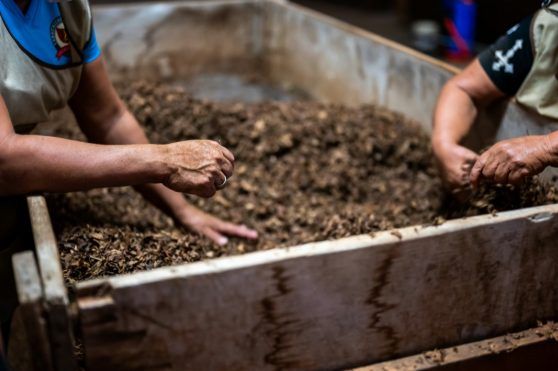
Houston’s waste management landscape is undergoing a quiet transformation. As the nation’s fourth-largest city grapples with the environmental costs of rapid growth, a new generation of composting enterprises is redefining how organic waste moves through the urban ecosystem. What was once a niche practice relegated to backyard gardeners has evolved into a sophisticated infrastructure challenge—one that local startups are tackling with innovative collection models and community-focused strategies.
The stakes are considerable. Houston generates over 8,000 tons of municipal solid waste daily, with organic materials comprising roughly 30% of that stream. When food scraps and yard waste decompose in landfills, they produce methane, a greenhouse gas 25 times more potent than carbon dioxide. Diverting these materials through composting not only reduces emissions but creates a valuable soil amendment that can support urban agriculture and green space development in a city where summer heat stress tests both infrastructure and ecosystems.
The environmental and economic case for urban composting rests on several pillars:
- Landfill Diversion: Organic waste accounts for the largest single category of material sent to landfills, where it generates methane and leachate that complicate site management.
- Soil Health: Finished compost improves soil structure, water retention, and nutrient availability—critical factors in Houston’s clay-heavy soils and drought-prone climate.
- Carbon Sequestration: Applying compost to degraded soils can capture atmospheric carbon, offering a modest but meaningful climate mitigation tool.
- Local Economic Activity: Collection services, processing facilities, and compost sales create jobs while reducing the long-term costs of waste disposal.
The Startup Ecosystem Taking Root
Houston’s composting sector has matured beyond pilot programs and volunteer-run drop-off sites. A cluster of startups now offers residential and commercial collection services that mirror the convenience of traditional waste hauling. These companies operate at the intersection of logistics, community engagement, and environmental science—managing pickup routes, customer education, and partnerships with processing facilities that can handle the city’s organic output at scale.
The business models vary. Some focus exclusively on residential subscriptions, providing households with countertop bins and weekly curbside pickup. Others target the commercial sector, working with restaurants, grocers, and office complexes to divert food waste that would otherwise overwhelm municipal systems. A few have integrated vertically, operating their own composting facilities to control quality and turnaround times.
What unites these ventures is a recognition that infrastructure alone won’t drive adoption. Successful composting programs require persistent community outreach, transparent operations, and pricing structures that compete with the artificially low cost of landfill disposal. The startups that have gained traction in Houston tend to emphasize customer service and education as much as waste diversion tonnage.
Community Programs and Educational Outreach
Beyond commercial services, Houston has seen grassroots composting initiatives take hold in neighborhoods, schools, and community gardens. These programs operate on a smaller scale but play an outsized role in normalizing composting as a civic practice. The EPA’s composting resources have become a common reference point for organizers designing workshops and educational materials tailored to local conditions.
Key program models include:
- Neighborhood Drop-Off Sites: Volunteer-managed locations where residents can deposit food scraps and yard waste, often hosted at community gardens or farmers markets.
- School-Based Initiatives: Programs that integrate composting into science curricula, giving students hands-on experience with decomposition cycles and soil biology while diverting cafeteria waste.
- Institutional Partnerships: Collaborations between nonprofits, universities, and municipal agencies to pilot composting at public facilities and measure environmental outcomes.
- Master Composter Training: Certification programs that equip residents with the knowledge to manage home composting systems and serve as neighborhood resources.
These efforts have measurable impact. Schools participating in composting programs report diversion rates exceeding 40% of cafeteria waste, while community drop-off sites collectively process thousands of pounds of organic material each month. Perhaps more importantly, they create cultural momentum—normalizing composting as a routine household practice rather than an environmental fringe activity.
The Mechanics of Curbside Collection
For most Houston residents, the barrier to composting isn’t philosophical but logistical. Maintaining a backyard compost pile requires space, time, and tolerance for the trial-and-error of managing moisture levels and carbon-to-nitrogen ratios. Curbside collection services eliminate these friction points, offering a turnkey solution that fits into existing waste management routines.
The typical service model works as follows: Subscribers receive a starter kit with a kitchen collection pail and compostable bags. Households accumulate food scraps—vegetable peelings, coffee grounds, eggshells, and other organic materials—throughout the week. On collection day, residents place their materials in a designated bin at the curb, where they’re picked up alongside or in place of traditional trash service.
The collected material is transported to permitted composting facilities, where it undergoes controlled decomposition through windrow, aerated static pile, or in-vessel systems. Depending on the method and feedstock, finished compost is ready in 8 to 16 weeks. Many services offer subscribers the option to receive finished compost, closing the loop and providing tangible value beyond waste diversion.
Pricing structures vary but generally range from $15 to $35 per month for residential service, depending on pickup frequency and bin size. Commercial rates are negotiated based on volume and service requirements. While this represents an additional expense compared to conventional waste service, many subscribers view it as an investment in environmental stewardship — and Houston-area curbside composting providers like Happy Earth Compost, Compost Crew, and Bootstrap Compost each offer options worth comparing before committing to a plan.
Regulatory Context and Municipal Support
Houston’s composting sector operates within a regulatory framework shaped by state waste management rules and local ordinances. The Texas Commission on Environmental Quality oversees composting facility permits, setting standards for site design, operational practices, and environmental monitoring. These regulations ensure that composting operations don’t create nuisance conditions or environmental hazards, but they also impose compliance costs that can challenge small-scale operators.
Municipal policy has been slower to evolve. Unlike cities such as San Francisco or Seattle, which mandate composting participation or provide universal curbside collection, Houston has largely left organic waste management to private enterprise and voluntary adoption. The city’s Solid Waste Management Department offers limited composting resources, focusing instead on traditional recycling and landfill operations.
This hands-off approach has created space for entrepreneurial experimentation but also limits the scale and equity of composting access. Subscription-based services tend to concentrate in affluent neighborhoods where residents can afford the additional cost and have the cultural capital to prioritize environmental practices. Lower-income communities, which often bear disproportionate environmental burdens from waste infrastructure, remain underserved.
Advocates argue that municipal investment—whether through subsidized collection programs, public composting facilities, or incentives for private operators—could democratize access and accelerate diversion rates. Some point to the success of Houston’s recycling programs, which achieved broader participation once the city provided universal curbside bins and integrated collection into standard service.
Lessons from Smaller Texas Communities
While Houston’s size and complexity present unique challenges, smaller Texas cities have demonstrated that effective composting programs are achievable with the right combination of infrastructure, policy, and community engagement. Kyle, a fast-growing suburb between Austin and San Antonio, has emerged as a noteworthy case study.
Kyle’s approach centered on several strategic decisions:
- Early Infrastructure Investment: The city partnered with a regional composting facility early in its program development, ensuring processing capacity before launching collection services.
- Phased Rollout: Rather than attempting citywide implementation immediately, Kyle piloted curbside collection in select neighborhoods, refining logistics and messaging based on participant feedback.
- Public-Private Collaboration: The city contracted with an experienced hauler while maintaining oversight of program design and performance metrics, balancing operational efficiency with public accountability.
- Resident Education: Kyle invested in multilingual outreach materials, community workshops, and school programs to build understanding and participation across demographic groups.
- Performance Tracking: The city published regular reports on diversion tonnage, contamination rates, and cost-effectiveness, creating transparency and accountability.
Within three years, Kyle’s program achieved a 25% organic waste diversion rate among participating households, with contamination levels below 5%—a benchmark indicating strong resident understanding of accepted materials. The city also documented cost savings from reduced landfill tipping fees, which helped justify continued program funding.
For Houston, Kyle’s experience offers several transferable insights. Phased implementation can manage risk and allow for iterative improvement. Public-private partnerships can leverage private sector expertise while maintaining public oversight. And sustained education is essential—composting programs succeed or fail based on participant behavior, which requires ongoing communication and support.
The Role of Recycling Infrastructure
Houston’s existing recycling centers and transfer stations represent underutilized assets in the composting ecosystem. Many of these facilities have the land, equipment, and operational expertise to incorporate organic waste processing, either through on-site composting or as consolidation points for material destined for regional facilities.
Several recycling centers have begun experimenting with composting integration. Some host drop-off areas where residents can deposit yard waste and food scraps alongside traditional recyclables. Others have partnered with composting startups to provide collection points or temporary storage for organic materials awaiting transport to processing sites.
These collaborations offer mutual benefits. Recycling centers gain additional revenue streams and strengthen their community role beyond traditional materials recovery. Composting companies access established infrastructure and customer bases, reducing the capital requirements for independent facility development. Residents benefit from consolidated drop-off locations that simplify participation in multiple waste diversion programs.
The potential for deeper integration remains largely untapped. With strategic investment, Houston’s recycling infrastructure could evolve into comprehensive materials recovery hubs that handle the full spectrum of divertible waste—recyclables, organics, and reusable goods—under one operational umbrella. This model, already functioning in cities like Portland and Boulder, offers economies of scale and user convenience that can drive higher overall diversion rates.
Challenges and Path Forward
Despite promising growth, Houston’s composting sector faces persistent obstacles. Processing capacity remains limited, with only a handful of permitted facilities capable of handling large volumes of source-separated organics. This creates bottlenecks during peak seasons and limits the geographic reach of collection services.
Contamination—the presence of non-compostable materials in organic waste streams—poses another challenge. Even small amounts of plastic, metal, or treated wood can compromise compost quality and increase processing costs. Education helps, but contamination rates in voluntary programs typically range from 5% to 15%, requiring manual sorting or screening that adds expense.
Market development for finished compost also needs attention. While demand exists among landscapers and gardeners, competing with cheap synthetic fertilizers and imported soil amendments requires demonstrating value through quality standards, consistent supply, and customer education about compost benefits.
Policy support could address several of these barriers. Potential interventions include:
- Facility Development Incentives: Tax credits, grants, or expedited permitting for new composting infrastructure, particularly in underserved areas.
- Procurement Requirements: Mandating that city landscaping and park maintenance projects use locally produced compost, creating guaranteed demand.
- Waste Hauler Regulations: Requiring commercial waste haulers to offer composting services alongside trash and recycling, expanding access without direct municipal operation.
- Public Education Campaigns: Sustained, multilingual outreach about composting benefits and participation options, integrated with existing recycling messaging.
The trajectory of Houston’s composting sector will depend on whether these systemic challenges receive coordinated attention from policymakers, businesses, and community organizations. The entrepreneurial energy is evident. The environmental and economic rationale is sound. What remains is building the infrastructure, policy framework, and cultural norms that can transform composting from a niche practice into a standard component of urban life.
For residents and businesses ready to participate, the options are expanding. Whether through curbside pickup services, community drop-off programs, or backyard systems, composting offers a tangible way to reduce environmental impact while contributing to a more resilient and sustainable city. As Houston continues to grow, how it manages organic waste will shape not just landfill capacity but soil health, climate emissions, and the livability of neighborhoods across the region.
