

Why Plasma Donation is a Heroic Act That Matters
The Science Behind Blood Plasma and Its Importance
Blood plasma is a critical component of our blood, making up about 55% of its total volume. It consists mostly of water, electrolytes, and proteins, which together play vital roles in various physiological functions. One of the most crucial components of plasma is immunoglobulin, a type of antibody that helps the body fend off infections, making it indispensable for patients with weakened immune systems. Plasma is also rich in clotting factors, which are essential for treating patients suffering from conditions such as hemophilia. Beyond these immediate benefits, plasma is integral in the production of life-saving medications that help manage chronic conditions, such as immune deficiencies and certain autoimmune diseases. Understanding the intricate role plasma plays in our health reveals just how pivotal plasma donation truly is—it’s not merely an act of altruism; it’s a fundamental contribution to the collective health of society.
The Lives You Can Touch: Real Stories from Plasma Recipients
The impact of plasma donation can be powerfully illustrated through the stories of those who have benefited from it. Consider the case of Emma, a young woman diagnosed with a rare autoimmune disease that incapacitated her immune response. She spent months in and out of hospitals, relying on regular infusions of immunoglobulin derived from donated plasma to manage her condition. As she began to regain her strength, Emma found new hope, eventually returning to work and engaging fully with her community. Many donors may not realize that their contributions literally help individuals like Emma reclaim their lives. Similar narratives abound, not just here but around the world; plasma therapy has enabled patients battling conditions like burn injuries, liver disease, and blood clotting disorders to continue their journey toward recovery. By giving blood plasma, you have the extraordinary ability to directly support these individuals’ recoveries, making your contributions echo far beyond the donation center.
Preparing for Your Plasma Donation: A Guide for First-Timers
What to Expect: A Step-by-Step Walkthrough of the Donation Process
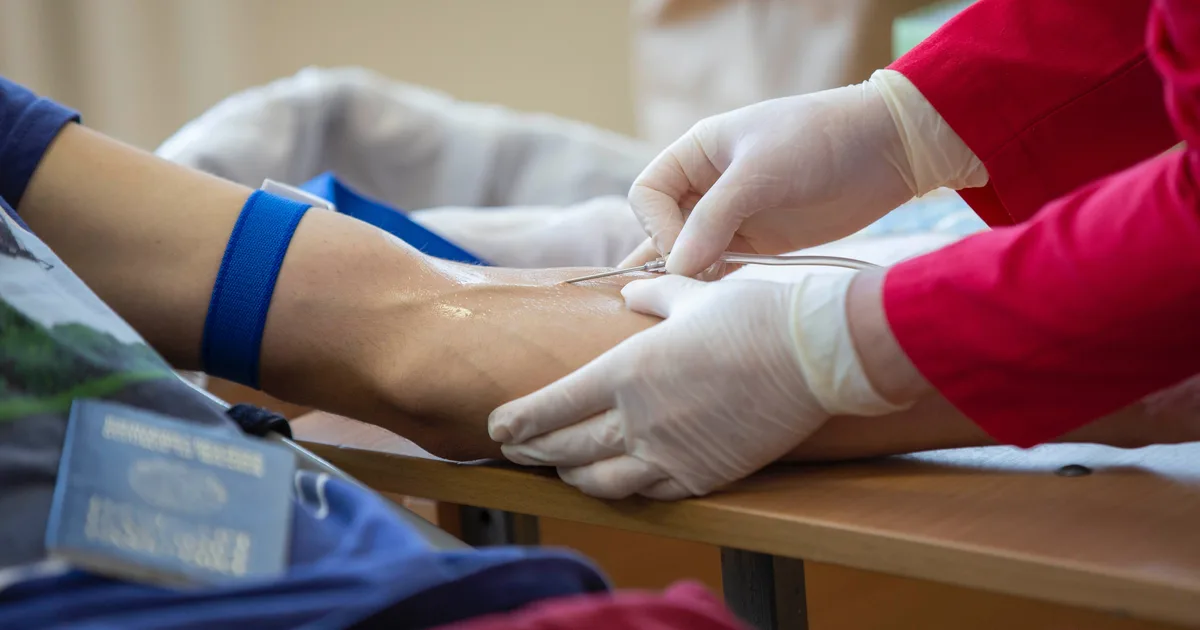
For those considering plasma donation, understanding the process can demystify and ease any anxiety that may accompany the decision. The journey begins with an initial screening at the donation center, where a healthcare professional will assess your eligibility through a series of questions regarding your health history. This pre-screening is crucial as it ensures the safety of both the donor and the recipient. If eligible, you’ll then go through a quick physical examination, during which they check your blood pressure, temperature, and hemoglobin levels. Once cleared, you will be comfortably seated while a trained technician prepares for the collection. Plasma is collected using a method called apheresis, which involves drawing blood from one arm, processing it to separate plasma from other components, and then returning the remaining blood back into your body through the same or another needle. This entire procedure typically lasts about 45 minutes to an hour, during which you can relax, read, or catch up on your favorite shows using provided entertainment. After the donation, a light refreshment is often provided to help replenish your energy. This seamless process is designed to prioritize your comfort and safety, ensuring an experience that is both fulfilling and pleasant.
How to Prepare: Dos and Don’ts Before Donating Plasma
Preparation for your plasma donation plays a critical role in ensuring a smooth and successful experience. The night before your donation, it’s advisable to hydrate adequately—drinking plenty of water ensures that your veins are plump, making it easier for the technician to insert the needle. Aim to eat a well-balanced meal containing protein and healthy carbohydrates, as this provides your body with the energy it needs for the donation and speeding up your recovery thereafter. Foods like chicken, fish, beans, and whole grains are excellent choices. Conversely, avoid fatty foods or excessive alcohol consumption in the 24 hours leading up to your donation, as these can affect the quality of your plasma. Additionally, if you are a frequent donor, be aware of the guidelines that recommend waiting at least 28 days between plasma donations to give your body ample time to replenish its protein levels. Following these simple dos and don’ts will not only enhance your own experience but will also contribute to the overall efficacy and safety of the donation process.
Beyond the Donation: The Impact of Plasma in Medical Treatments
Understanding Plasma-Derived Therapies: Who Benefits?
Plasma-derived therapies are among the most sophisticated and essential options available for treating a range of medical conditions. Patients suffering from immune deficiencies, for example, rely heavily on the immunoglobulins collected from donated plasma. Specific products derived from plasma include IVIG (intravenous immunoglobulin) and subcutaneous immunoglobulin, which are pivotal in managing autoimmune diseases such as myasthenia gravis and Guillain-Barre syndrome. Hemophilia patients also significantly benefit from plasma-derived clotting factors that help manage their condition, allowing them to lead relatively normal lives. Beyond these conditions, albumin, another plasma protein, is employed in treatments for liver disease, burns, and shock. By donating plasma, you are not only directly aiding patients in chronic distress but also playing a significant role in the continuous advancement of therapeutic techniques, ultimately contributing to groundbreaking medical discoveries that can enhance lives on a larger scale.
Recent Advances in Plasma Research: What’s on the Horizon?
The field of plasma research is thriving, with recent advances providing hope for the development of novel therapies that can impact countless lives. Researchers are exploring how plasma can be utilized beyond its current applications, delving into potential treatments for neurological diseases, such as Multiple Sclerosis (MS) and Amyotrophic Lateral Sclerosis (ALS). Immunotherapy, which utilizes the immune system to fight cancer, is also benefiting from the insights gained from plasma studies, with new protocols aimed at harnessing the power of antibodies found in plasma to target and destroy cancer cells more effectively. As technology evolves, there is an increasing focus on plasma fractionation techniques, allowing for more efficient isolation of specific proteins and antibodies, enhancing the therapeutic potential of each donation. These strides in research not only enhance the lives of those currently suffering but also pave the way for a future that offers far-reaching benefits in the realm of health and medicine.
Joining the Plasma Community: How Regular Donations Transform Lives
The Social Benefits of Plasma Donation: Finding Your Tribe
Donating plasma isn’t just an individual act of goodwill; it opens the door to joining a vibrant community united by a shared purpose. Many donation centers host events, workshops, and social gatherings specifically designed for donors. These can foster relationships among like-minded individuals who are passionate about blood plasma donation, creating a supportive network where experiences, stories, and encouragement are shared. For many, these connections can lead to lifelong friendships and a sense of belonging to a community focused on making an impactful difference. Moreover, engaging with others who share your dedication can enhance your overall volunteering experience, allowing you to exchange knowledge about health, wellness, and the importance of donation. Being part of this community can invigorate your sense of empathy and commitment to public health, shaping a greater experience beyond the simple act of donating.
Incentives for Donors: What’s in It for You?
While the intrinsic reward of helping others is perhaps the most significant motivation for many plasma donors, various incentives offered by donation centers can enhance the experience even further. Many facilities provide compensation for plasma donations, recognizing the time and effort involved in the process. Compensation rates often vary based on location, frequency of donation, and promotional campaigns, with some centers offering bonuses for first-time donors or for those who contribute regularly. In addition to financial incentives, donor programs frequently include rewards that can be redeemed for gift cards, discounts, or unique experiences like exclusive events. These benefits not only acknowledge the contributions of plasma donors but also incentivize ongoing participation in this vital activity. The combination of altruism and tangible rewards creates a stimulating atmosphere encouraging individuals to return time and time again, reinforcing the cycle of giving and healing within the community.
FAQ
Question: How often can I donate plasma? – Donors are typically encouraged to wait at least 28 days between donations to allow their bodies to replenish protein levels and maintain overall health.
Question: Is plasma donation safe? – Yes, plasma donation is considered safe. The donation centers follow strict health and safety protocols to ensure both donor and recipient safety throughout the process.
Question: What are the side effects of plasma donation? – While most donors experience no significant side effects, some may feel lightheaded, fatigued, or develop minor bruising at the needle site. Staying hydrated and following pre-donation guidelines can help mitigate these effects.
Question: Can anyone donate plasma? – Not everyone is eligible to donate plasma. Potential donors must meet specific health and safety criteria, including age, weight, and medical history assessments performed at the donation center.
Question: What can I do to enhance my donation experience? – Staying well-hydrated, eating a protein-rich meal before your appointment, and avoiding alcohol and fatty foods can enhance your experience and ensure a successful donation.
Question: How is donated plasma used in medical treatments? – Donated plasma is used to create therapies for various health conditions, such as immune deficiencies, hemophilia, and other serious health issues, by providing essential antibodies and proteins.
Question: Are there any rewards for donating plasma? – Yes, many donation centers offer various rewards, including compensation for your time, gift cards, or discounts for regular donors, celebrating their contributions to public health.
Question: Can I donate plasma if I’ve had a recent vaccination? – Generally, it depends on the type of vaccination. Many centers may require a waiting period after certain vaccines, so it’s best to check with the donation center regarding their specific guidelines.
Useful Resources
- American Red Cross
- Plasma Alliance
- Plasma Donation Association
- World Plasma Organization
- AABB (Association for the Advancement of Blood & Biotherapies)
- U.S. Food & Drug Administration (FDA)
- Centers for Disease Control and Prevention (CDC)
- Blood Centers of America
