

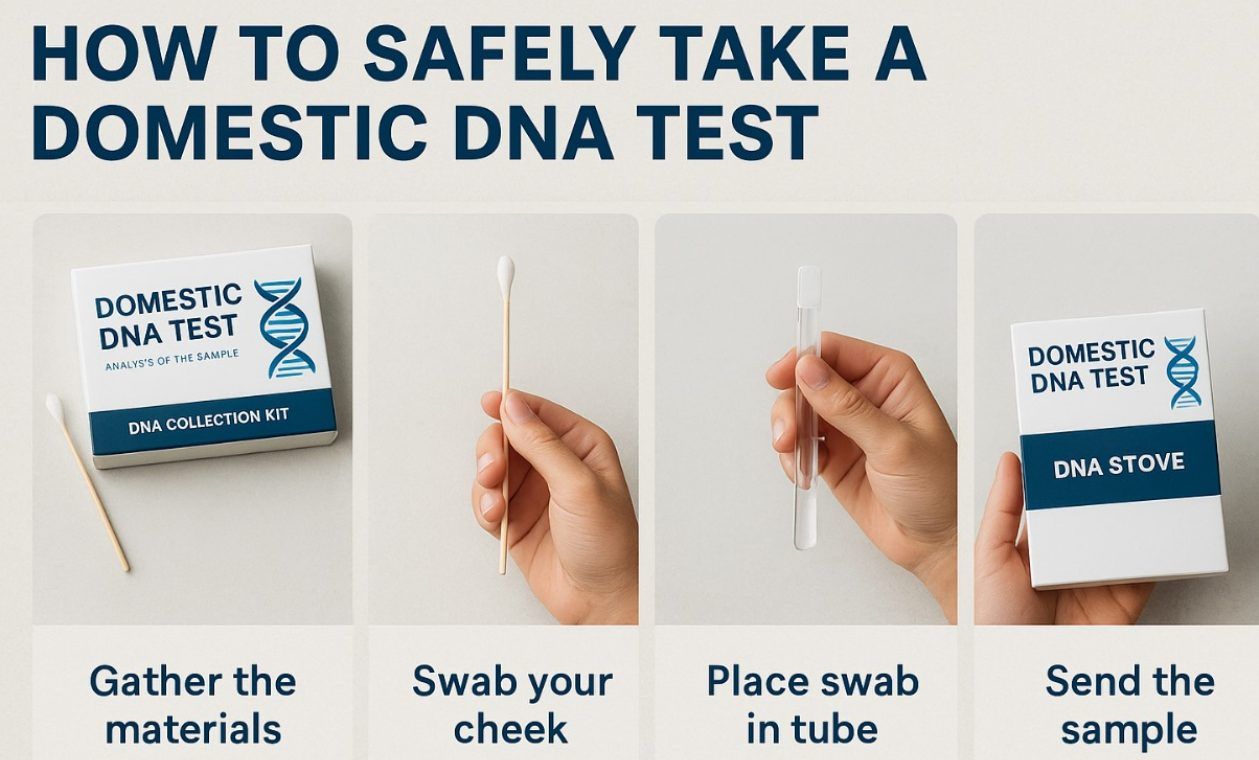
Taking a DNA test at home is cool for genealogy and health insights. But this convenience comes with some important safety issues that many people overlook. To protect your genetic information and personal data during testing, follow these steps. Also, be aware of the privacy concerns.
This article will tell you what to do before, during, and after your DNA test. A robust understanding of this will assist you in keeping your data secure and results accurate. With some basic precautions, you can test yourself, knowing that you will be out of trouble.
What Makes DNA Testing Safe
Your DNA testing experience is safe or not safe, depending on what you do and who you choose. Safe testing means proper sample handling, secure data transmission, and transparent privacy policies. Unsafe practices include contaminated samples and unsecured data sharing. It also means companies lack proper security protocols.
Reputable testing stands out from the risky ones due to several key points. Legitimate companies have certified labs and follow strict scientific protocols. They provide clear information on data handling. They have strong privacy controls. They explain how your genetic information will be used, stored, and shared.
Evaluating Testing Companies
Research the background, ownership, and previous security breaches of the company. Seek a transparent culture and fluidity in communicating their process. Make sure they use certified labs, preferably CLIA-approved. The labs are all certified, adhering to the tightest quality controls and sets of testing guidelines. Ensure you get services from labs that process samples locally.
Preparing for Sample Collection
Proper preparation helps ensure accurate results. It also keeps your sample safe and secure. Your environment and timing choices affect sample quality and reduce contamination risks.
Setting Up Your Collection Environment
Select a clean and private place as a sample collection point. Wash your hands before starting. Don’t eat, drink, smoke, or chew gum for at least 30 minutes before testing. Make sure there is no makeup or any other lip product that can tamper with the saliva samples.
Ensure that there is proper lighting to read the instructions. Get the material ready before the collecting process begins. This will avert interruptions that can contaminate your sample.
What to Avoid Before Testing
Some activities may weaken your sample. Do not brush your teeth, take mouthwash, or take hot drinks before collecting saliva. These may present foreign substances or impact the concentration of DNA.
When several family members are testing, stagger collection and use different areas. You should not share the materials used in your collections, and your samples should not touch at all.
Proper Sample Collection Techniques
Adherence to the instructions will guarantee sample integrity and good results. The instructions of each testing kit are lab-specific and test-specific. Following these steps precisely ensures a definitive DNA test can accurately identify the biological father with total peace of mind.
Following Instructions Precisely
Read all instructions before you start collecting. Different companies have different requirements for sample volume, collection method, or timing. Some tests require saliva samples, others cheek swabs.
Pay attention to minimum sample requirements. Insufficient samples will result in failed tests and the need for recollection. This will delay results and may incur extra costs.
Preventing Contamination
Keep collection tools sterile, and don’t touch swab tips or container interiors. Seal containers immediately after use, as instructed.
Again, store completed samples at room temperature unless otherwise specified. Extreme temperatures will degrade DNA quality.
When testing many people, collect samples separately and at different times. Label each sample immediately and verify names and IDs before sealing. Clean surfaces between collections. All members should strictly observe the same steps of preparation to avoid cross-contamination.
Protecting Personal Information
You need to understand how companies use and maintain your data. It helps you in making useful choices about data privacy and sharing.
Understanding What Data Is Collected
Companies collect more than just your DNA sequence. They also collect personal information from registration forms and family trees you create. Some platforms track your browsing behavior and interactions with other users.
Check out the types of data collected and how it’s linked to your genetic data. This combines to create detailed profiles. Researchers, marketers, or other third parties may use these profiles.
Privacy Controls
Most reputable companies offer privacy controls that allow you to limit data sharing. These settings often let the company’s clients:
- Opt out of research.
- Block law enforcement access.
- Control matching features.
Companies sometimes change their policies. They may also add new features that affect your data sharing settings. Thus, you should review and update your privacy settings regularly.
Data Sharing Decisions
Be cautious when pushing your data to the researchers or the pharmaceutical firms. Sharing can help make medical advancements. However, your genetic information may be used in ways you never intended.
Understand the difference between aggregate and individual data sharing. Aggregate sharing combines your data with thousands of others. Individual sharing includes personally identifiable information.
Secure Shipping and Handling
Proper packaging and shipping protect your sample during transit and the chain of custody. Most companies provide prepaid shipping materials designed for biological samples.
Use the provided materials exactly as instructed. Extra padding or different containers may mess up lab processing. Track your shipment to confirm delivery and note any delays that may impact sample quality.
Ship samples as soon as possible after collection. Storing samples at the wrong temperature for too long can degrade DNA.
What Happens to Your Sample and Data
Understanding the journey of your sample and data after shipping helps you assess ongoing privacy and security risks.
Laboratory Processing Security
Reputable labs keep samples and personal information separate. They use unique IDs and cannot access personal details during testing. They duplicate the tests, confirm results, and keep detailed records of sample handling.
Long-term Data Storage
Recent reports suggest that most major DNA testing companies retain your genetic data indefinitely. Your information may remain in their systems long after receiving results.
Data storage policies vary greatly between DNA testing companies. Some keep genetic data separate from personal information, while others store all customer data in one profile.
Deletion and Retention Policies
Pay attention to the policy on data retention and be knowledgeable about the data deletion options. Some companies allow you to request complete data removal. Others only delete certain types of information or maintain anonymized genetic data.
Consider the permanence of data deletion requests. Once deleted, genetic data can’t be restored without retesting.
Managing Your Results Safely
Protecting your results requires ongoing digital security and thoughtful sharing decisions.
Secure Access Methods
Use strong, unique passwords for your testing account. Also, use two-factor authentication if available. Avoid accessing your results on public computers or unsecured networks, as they risk your login details.
Log out completely after viewing results. Don’t save genetic information to shared devices or cloud storage without encryption.
Sharing Results with Family
Be careful when sharing detailed genetic information with family. Your results might reveal surprising links, health risks, or sensitive details. These could affect many family members.
Consider discussing potential discoveries with family members before testing. Genetic information often has implications beyond the individual being tested.
Medical Professional Consultation
Do not rely on genetic tests to make medical decisions; consult a physician instead. Home DNA tests don’t meet clinical standards. Keep secure copies of your genetic reports for medical records. Share them with qualified professionals only.
Conclusion
DNA testing could be of value if done with caution. Pick reputable testing companies, adhere to the collection procedures, and monitor your privacy settings. Genetic information is permanent; take time to understand the implications before testing. Your genetic information should have the same privacy as you give to other sensitive personal information. With planning and knowledge, the testing of DNA may be risk-free and enjoyable.
