

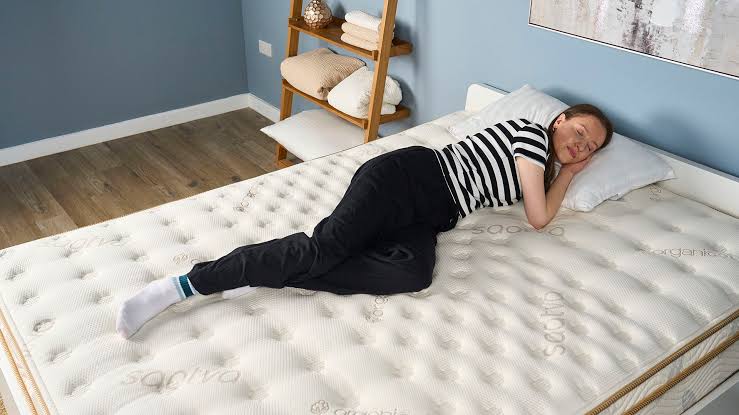
Warm nights can leave you restless, even after trying lighter blankets, breathable sheets, or a fan. Poor temperature control affects sleep quality, energy levels, and overall comfort. A mattress designed with cooling features can make a noticeable difference, but choosing the right one requires more than reading product labels.
A cooling mattress guide explains the key features to evaluate before making a purchase. The tips below help sleepers compare options with confidence and select a mattress that delivers comfort, support, and better temperature regulation.
Focus on Materials That Promote Airflow
The materials inside a mattress play a major role in heat control. Dense foams without airflow channels tend to hold body heat, while breathable foams, latex, and pocket coil systems allow air to move more freely. Check the product description for details instead of relying on words like “cool” or “temperature regulating.” Mattresses with ventilated foam layers, breathable covers, or coil support systems generally create a cooler sleep surface than solid foam designs.
Match the Mattress to Your Sleep Position
Every sleeping position places pressure on different parts of the body. Side sleepers usually need extra cushioning around the shoulders and hips, while back sleepers benefit from balanced support across the spine. Stomach sleepers typically require a firmer surface to reduce excess sink. A mattress that fits your sleep style helps improve comfort while maintaining better airflow around pressure points. This combination supports both temperature regulation and healthy body alignment throughout the night.
Pay Attention to Mattress Firmness
Firmness affects comfort as well as heat retention. A mattress that allows your body to sink too deeply may reduce airflow around your body, making the surface feel warmer after several hours of sleep. Choose firmness based on your body weight and comfort preferences. For example, lightweight sleepers may prefer a softer feel, while heavier individuals usually receive better support from medium-firm or firm models that keep the body closer to the mattress surface.
Compare Cooling Technologies Carefully
Manufacturers use different cooling features, and each serves a different purpose. Gel-infused foam spreads heat, graphite helps move warmth away from the body, while breathable fabrics improve surface airflow. Use a cooling mattress guide to compare how each technology works instead of assuming every cooling mattress performs the same. Reading detailed specifications and customer experiences can provide a clearer picture than marketing claims alone.
Consider Your Bedroom Environment
Room conditions influence mattress performance. A well-ventilated bedroom supports cooling materials, while poor airflow can reduce their effectiveness. The National Sleep Foundation recommends keeping the bedroom between 65°F and 68°F (18°C–20°C) for most adults because a cooler environment supports better sleep quality.
Ceiling fans, breathable bedding, and room temperature all contribute to a comfortable sleep environment. For example, someone living in a warmer climate may benefit from a hybrid mattress with coil support and moisture-wicking fabric. A cooler climate may allow greater flexibility when selecting mattress materials without sacrificing comfort.
Test Motion Isolation and Edge Support
People who share a bed should evaluate more than cooling performance. Motion isolation reduces sleep disturbances when one partner changes position, while strong edge support creates a stable sleeping surface across the full mattress. Visit a showroom if possible and spend several minutes lying in your normal sleeping position. Small details such as edge stability and pressure relief become easier to notice during a hands-on trial than through online descriptions.
Review Warranty and Sleep Trial Policies
A mattress represents a long-term purchase, so flexible return policies provide valuable peace of mind. Sleep comfort may change after several nights as your body adjusts to new materials and support layers. Look for brands that include generous sleep trials and clear warranty coverage. These policies allow you to evaluate cooling performance, pressure relief, and overall comfort at home instead of making a decision after only a few minutes in a store.
Read Verified Customer Reviews Instead of Star Ratings Alone
Star ratings provide a quick overview, but detailed customer reviews reveal how a cooling mattress performs after weeks or months of use. Look for comments that mention temperature regulation, comfort during warm nights, durability, edge support, and pressure relief. Reviews from people with a similar body type or sleeping position can provide practical insights that product descriptions cannot. Consistent feedback about heat control and long-term comfort is usually a stronger indicator of quality than a high rating based on a limited number of reviews.
Questions to Ask Before Buying a Cooling Mattress
A few simple questions can help you compare products more effectively before placing an order.
- Which cooling materials are used inside the mattress?
- Does the mattress suit your preferred sleeping position?
- What firmness level matches your body weight?
- How long is the home sleep trial?
- What does the warranty cover?
- Does the mattress provide good edge support for couples?
- Are the cover materials breathable and easy to maintain?
Choosing a cooling mattress involves more than selecting the first model with temperature-control claims. Material quality, firmness, support, cooling technology, and trial policies all contribute to long-term comfort. Taking time to compare these features helps you invest in a mattress that delivers cooler, more restful sleep and dependable support for years ahead.
