

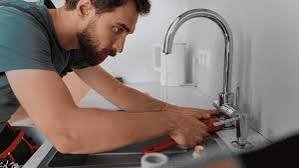
Forty percent of homeowners who gut a kitchen or bathroom discover the same thing too late: their brand-new tile is sitting on top of pipes that should have been replaced first. The renovation looks stunning. The plumbing still leaks. And fixing it now means tearing out work they just paid for.
Plumbing upgrades are not the glamorous part of a remodel. Nobody posts a photo of new drain lines to Instagram. But get the sequencing wrong and you will spend money twice, once to do the project and once to undo it. This guide walks you through how to plan upgrades that protect your investment, add measurable value at resale, and avoid the most expensive mistakes homeowners make.
Why the Age of Your Home Changes Everything
The single biggest variable in any plumbing upgrade decision is how old your house is. According to 2022 American Community Survey data analyzed by the NAHB’s Eye on Housing, the median age of owner-occupied homes in the U.S. is 40 years. That puts the typical American house firmly inside the window where original supply lines, drain stacks, and water heaters are approaching or past their designed service life.
Homes built before 1980 often used galvanized steel supply pipes, which corrode from the inside out over decades. You may have full water pressure at the meter and nearly no flow at the fixture. Cast iron drain lines are similarly durable until they aren’t. Once root intrusion or corrosion takes hold, no amount of cosmetic renovation covers the problem.
If your home is 35 years old or more, treat a full plumbing inspection as the first line item in any remodel budget, not an optional add-on. The inspection cost is trivial compared to discovering failed pipes after the walls are closed.
The Plumbing-First Rule: A Framework for Smarter Remodels
Here is a framework worth writing on a sticky note and putting on your fridge before you talk to a single contractor: finish surfaces cover plumbing, not the other way around. Call it the Plumbing-First Rule.
The practical sequence for any kitchen or bathroom remodel goes like this:
- Inspect all supply lines, drain lines, and the water heater before design work starts.
- Replace or repair anything that is aging, corroded, or undersized for the planned layout.
- Rough-in any new fixture locations and get them inspected before closing walls.
- Install backer board, waterproofing membranes, and subfloor.
- Then, and only then, install tile, fixtures, and finishes.
Contractors who skip step one or two are not saving you money. They are deferring a problem into the most expensive possible moment to deal with it.
A concrete example: a homeowner in a 1962 build decides to renovate a primary bathroom. The tile work and vanity replacement go smoothly. Six months later, a pinhole leak in a galvanized supply line soaks the new cabinet. The repair bill includes cabinet replacement, drywall, and remediation. The original pipe inspection would have cost a fraction of that. This is not a hypothetical. It describes a pattern that anyone who has worked in plumbing services in grand rapids or any older Midwest housing market will recognize immediately.
Which Plumbing Upgrades Actually Move the Needle at Resale
According to the 2025 Remodeling Impact Report from the National Association of REALTORS®, Americans spent an estimated $603 billion on home remodeling in 2024. That is a lot of money, and a meaningful share of it gets left on the table because homeowners invest in surfaces while ignoring the systems underneath.
The upgrades that carry genuine resale weight are the ones buyers and their inspectors will flag if they are absent or failing. Here is how to think about the short list:
| Upgrade | Resale Impact | Priority Timing
|
| Water heater replacement (10+ years old) | Removes buyer objection; prevents inspection flag | Before listing or before remodel |
| Supply line replacement (galvanized to copper or PEX) | Eliminates hidden liability; required for some loans | During any major remodel |
| Drain line inspection and repair | Avoids post-sale disputes; protects finished work | Before closing walls |
| Bathroom fixture upgrade with proper rough-in | Moderate direct value; high lifestyle score | After systems are confirmed sound |
| Kitchen sink and dishwasher supply/drain update | Required for code compliance in full remodels | During kitchen renovation |
The water heater is worth calling out specifically. According to the U.S. Department of Energy’s ENERGY STAR program, if your water heater is more than 10 years old, it is time to consider replacing it before you are left with an emergency decision. Buyers notice a 12-year-old unit. Their inspector will note it. Their agent will use it as a negotiating chip. Replacing it on your terms, before the sale, keeps that leverage out of the buyer’s hands.
The Costs Homeowners Consistently Underestimate
Budget overruns are the rule, not the exception, in remodeling. A big part of that gap comes from underestimating plumbing complexity, especially in older homes where the actual condition of pipes is not visible until walls open.
A few patterns that catch homeowners off guard:
- Moving fixtures costs significantly more than replacing them in place. Relocating a toilet or sink means rerouting drain lines, often under a slab or through a floor joist bay. That work is skilled, slow, and billed accordingly.
- Permit requirements are not optional. Most jurisdictions require permits for new fixture rough-ins, water heater replacements, and any work that touches the drain-waste-vent system. Unpermitted plumbing work can invalidate home insurance claims and complicate sales.
- The contingency buffer is real. Industry standard is 10 to 20 percent above your quoted estimate, specifically because hidden conditions in walls and subfloors are common.
If a contractor tells you they can skip the inspection to save you money, that is the moment to find a different contractor.
How to Interview a Plumber Before Your Remodel Starts
Not every plumber is set up for remodel coordination. Some specialize in service calls and repairs. Others work extensively with general contractors on phased projects. Knowing which you are hiring matters.
“The best plumbing work in a remodel is the work you never think about again because it was done correctly the first time.” This reflects a consensus among experienced remodeling contractors: invisible systems only become visible when they fail.
Ask these four questions before you sign anything:
- Do you pull your own permits, and are you licensed in this jurisdiction?
- Can you do a camera inspection of the existing drain lines before we finalize the scope?
- What is your process for coordinating with the general contractor on rough-in timing?
- What happens if you open the wall and find a condition that changes the scope?
The last question separates experienced remodel plumbers from service-only operations. A good answer involves a documented change order process and a clear communication protocol. A bad answer is a shrug.
Timing Your Upgrade for Maximum Return
The worst time to address plumbing is reactively. A burst supply line at 2 a.m. gives you no choices. You call whoever answers, pay emergency rates, and manage the repair around whatever else is in the house. The best time is during a planned remodel, when walls are already open, when a licensed inspector is already on site, and when a coordinated crew can sequence the work cleanly.
If you are not planning a remodel right now, the second-best time is a scheduled annual inspection. You want to know the condition of your supply lines, drain stack, and water heater on your timeline, not the plumbing’s timeline.
Homes are durable assets, but their mechanical systems have finite lives. Treating plumbing as infrastructure rather than an afterthought is what separates a remodel that holds its value from one that surprises you three years later with a bill you did not plan for. Get the pipes right first. Everything else follows.
