

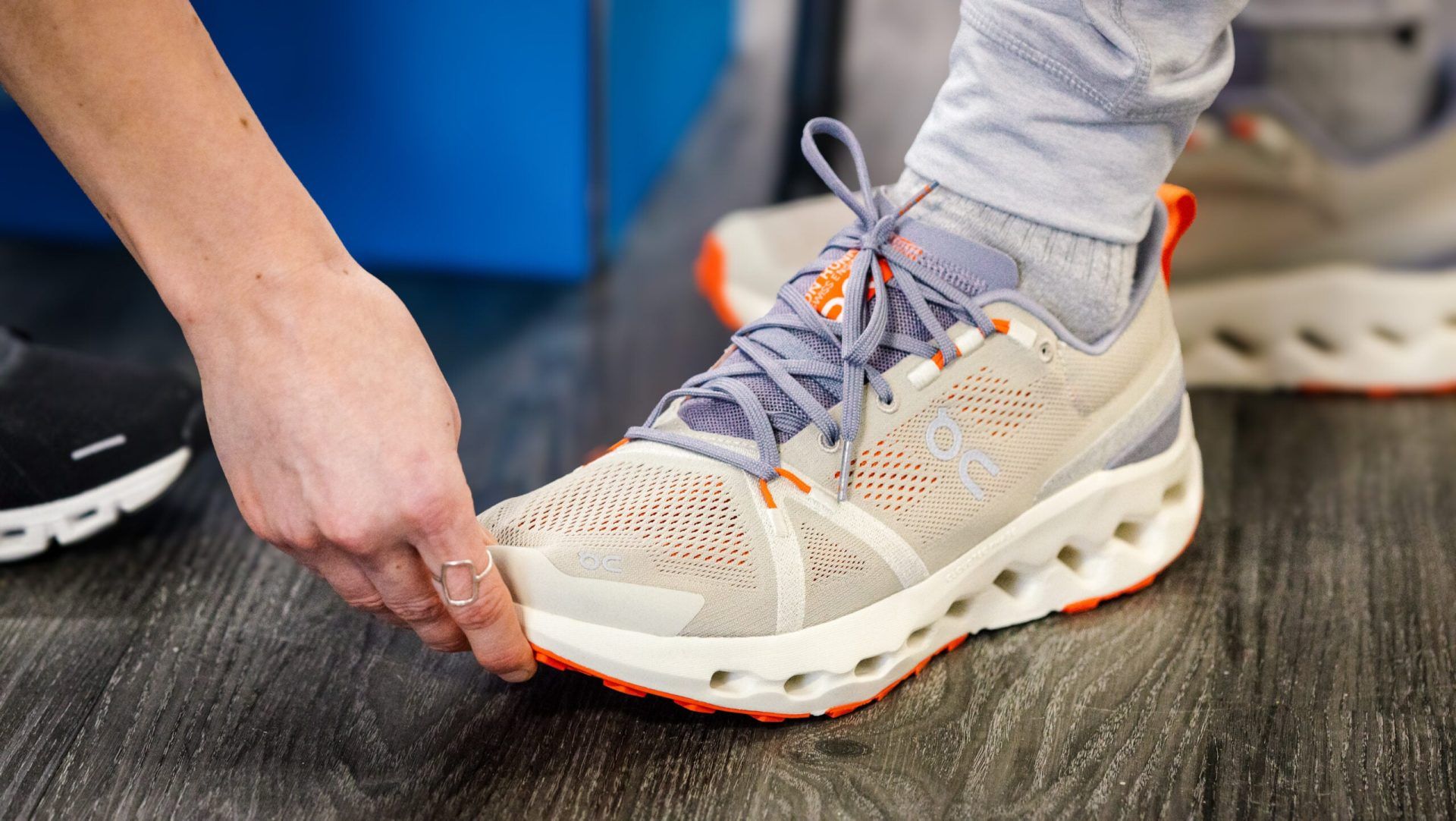
There’s a strange kind of frustration that comes with finding a pair of shoes you genuinely like, trying them on in your usual size, and realising almost immediately that something isn’t right. Maybe the length is fine but the sides feel tight, or the toes are squeezed, or the shoe looks perfect while standing still but becomes uncomfortable the moment you actually start walking. It’s annoying because the number on the box says it should work, and yet your feet are clearly having a very different conversation.
That’s why wide fit boots can be such a relief for people who’ve spent years assuming they just have to “break in” uncomfortable footwear. Sometimes the issue isn’t that the shoe needs more time, or that your feet are being difficult, or that you’ve chosen the wrong size. Sometimes the shape simply doesn’t suit your foot, and once you realise that, it becomes much easier to shop with comfort in mind rather than hoping discomfort will somehow disappear after a few wears.
Shoe Size Only Tells Part of the Story
Most people know their general shoe size, but length is only one part of fit. Width, arch shape, instep height, toe room and heel grip all affect how a shoe feels once it’s on. Two people can wear the same size and need very different shoes, which is why buying purely by number can be so misleading.
A shoe that’s too narrow can create pressure across the forefoot, rubbing around the toes, pinching near the bunion area or that familiar feeling of wanting to take the shoes off long before the day is over. Going up a size might give a bit more room, but it can also make the shoe too long, which leads to slipping, blisters and poor support. That’s when a wider fit makes more sense than simply chasing extra length.
Comfort Shouldn’t Mean Giving Up Style
For a long time, people associated comfortable shoes with styles that felt a little too sensible, as if the price of proper fit was accepting something clunky or uninspiring. Thankfully, that’s changed. Wide fit designs now come in far more polished, modern and versatile options, which means people don’t have to choose between shoes that look good and shoes they can actually wear for more than an hour.
Boots are a great example, because they’re often expected to do a lot. They need to work with different outfits, support the foot, feel secure around the ankle and still be comfortable enough for full days out. When the width is right, everything else tends to feel less forced.
Your Feet Usually Know Before You Do
If a pair of shoes feels wrong in the first few minutes, it’s worth paying attention. Some materials soften with wear, but serious pinching, numbness or pressure usually isn’t a sign of a shoe magically becoming perfect later. It’s your feet telling you the shape isn’t right.
Better Fit Changes the Whole Day
The right shoes shouldn’t be the thing you keep thinking about. They should let you walk, stand, commute, work, travel or head out for dinner without that constant low-level discomfort in the background. When the fit is right, especially through the width of the foot, shoes stop feeling like something you have to endure and start feeling like part of an outfit you can actually enjoy wearing.
