

Tooth sensitivity has a way of making itself known at the most annoying moments. One sip of cold water, one bite of ice cream, one mouthful of hot coffee, and suddenly there’s that sharp little zing that makes you pause mid-conversation and wonder whether you should’ve booked a dentist appointment weeks ago. It might disappear quickly, which is probably why so many people shrug it off at first, but when it keeps coming back, it’s usually worth paying attention.
The tricky thing is that sensitivity can have a few different causes, so knowing how to manage sensitive teeth really depends on what’s creating the problem in the first place. Sometimes it’s worn enamel, sometimes it’s gum recession, sometimes it’s tooth grinding, sometimes it’s a cavity, and sometimes it’s something as simple as brushing too aggressively with a hard toothbrush. The sensation may feel similar each time, but the solution won’t always be the same.
That Quick Sharp Pain Is a Signal
Sensitive teeth often react to temperature, sweetness, acidity or even cold air. It’s usually a short, sharp discomfort rather than a dull ache, and that can make it easy to dismiss. But pain is still information, even when it only lasts for a second. Your teeth are basically telling you that something is exposed, irritated or under pressure.
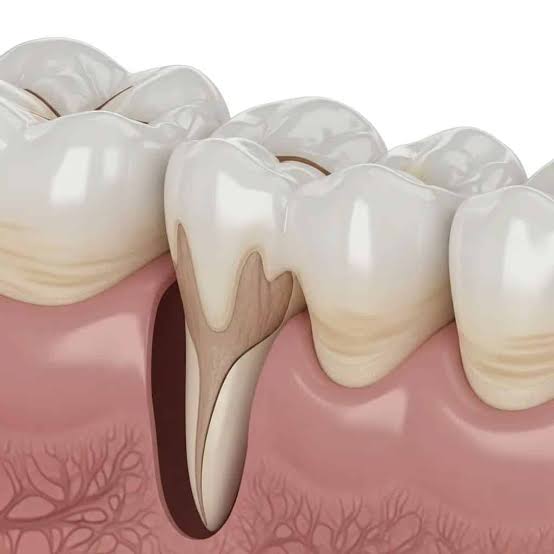
Enamel is strong, but it isn’t something you can rebuild once it’s worn away. When it becomes thinner, or when gums recede and expose more of the tooth root, the softer parts of the tooth can become more reactive. That’s when everyday things like citrus, fizzy drinks, whitening products or an enthusiastic brushing technique can start causing more trouble than expected.
Small Changes Can Help, but Don’t Guess Forever
There are some sensible first steps people often try, like switching to a soft-bristled toothbrush, using toothpaste made for sensitivity, avoiding aggressive scrubbing and being mindful of acidic foods and drinks. These changes can make a real difference, especially when the sensitivity is mild and linked to enamel wear or gum irritation.
The problem is that sensitivity can also be a warning sign of something that needs dental treatment. If one tooth is suddenly reacting more than the others, if the discomfort is getting worse, or if sensitivity lingers after hot or cold foods, it’s better not to keep guessing. A dentist can check whether there’s decay, a crack, a leaking filling or another issue that needs proper attention.
Prevention Is Usually Easier Than Repair
Like most dental problems, sensitivity is much easier to manage early than after it has been ignored for months. Gentle brushing, regular check-ups, good fluoride habits and a mouthguard for grinding can all help protect teeth over time. It’s not about becoming obsessive; it’s about noticing patterns before they turn into bigger problems.
Don’t Wait Until Eating Feels Stressful
Food and drink shouldn’t come with a warning label in your head. If you’re avoiding cold drinks, chewing on one side or bracing yourself every time you eat something sweet, that’s enough reason to take sensitivity seriously. It may be simple to manage, but the first step is finding out what’s actually causing it rather than hoping the next sip of coffee will somehow feel different.
