

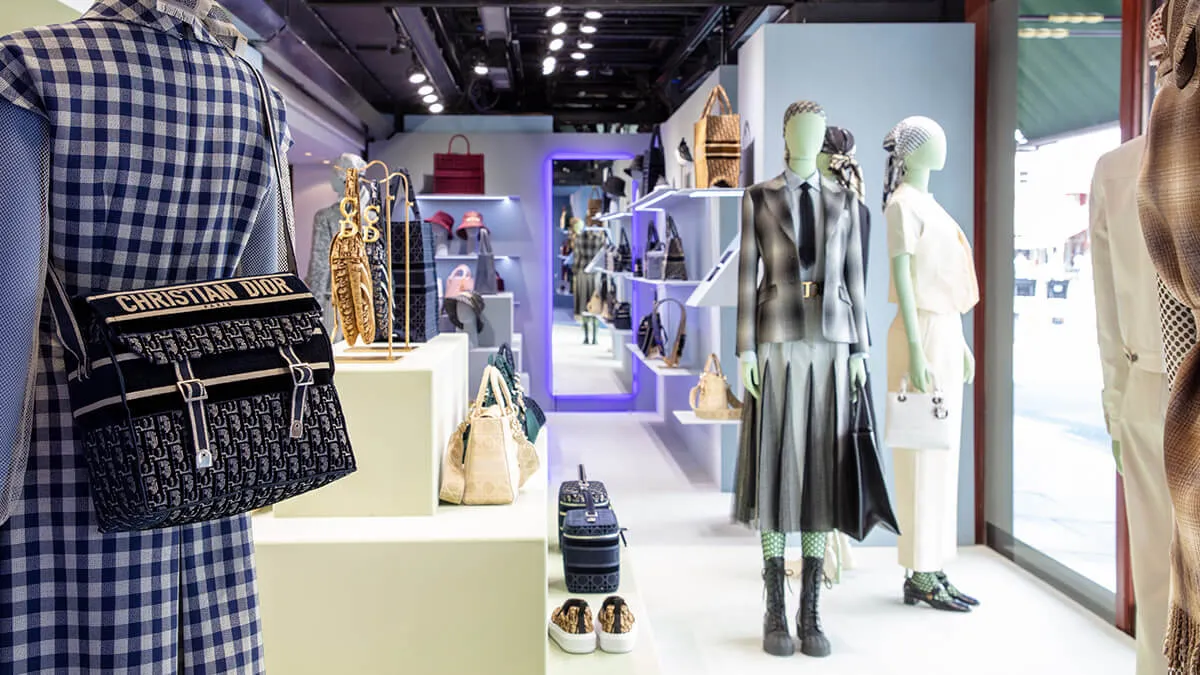
There’s a particular energy around a good event that ordinary retail can’t always recreate. People are already out of their usual routine, they’re wandering with time to spare, they’re more open to discovering something new, and they’re often in the mood to buy if something catches their eye at the right moment. That’s why pop-up retail still has such a strong place at markets, festivals, conferences and trade shows, even in a world where people can order almost anything online without leaving the couch.
For artists, makers and small brands, artist kiosks can be a brilliant way to turn that passing interest into a proper customer interaction. They give sellers a physical presence without needing a permanent shopfront, and they create a space where people can see the work up close, ask questions, understand the story behind it and make a decision in the moment rather than bookmarking a website they may or may not ever visit again.
People Buy Differently in Person
Online shopping is convenient, but it doesn’t always create connection. At an event, someone can pick up a ceramic piece, feel the weight of a print, notice the detail in a handmade object or have a quick chat with the person behind the work. That kind of interaction can make a product feel more memorable, especially when there are dozens of other stalls competing for attention.
A good kiosk helps frame that experience. It doesn’t need to be overdesigned or packed with props, but it does need to make the display easy to understand. People should be able to tell what’s being sold, what makes it interesting and how to engage without feeling awkward. Clear presentation gives shoppers permission to slow down, step closer and take the work seriously.
The Setup Has to Work Hard
Event retail is usually short on space, time and second chances. You might only have a small footprint, a few seconds to catch someone’s attention and a limited window to make the day worthwhile. That means the stall setup has to do more than simply hold stock. It needs to create height, organise products, support signage, allow smooth payments and still leave enough room for the seller to move comfortably.
This is where thoughtful kiosk design really matters. A cluttered setup can make even beautiful products feel confusing, while a clean and practical display can make a small range feel polished and professional. Lighting, levels, layout and branding all play a part, but the goal is simple: help people notice, understand and buy without making the process feel forced.
Pop-Ups Are Also a Testing Ground
One of the underrated benefits of event retail is feedback. Sellers can see which products people pick up first, which prices make them hesitate, which questions keep coming up and which displays pull people in. That information is hard to get from an online store alone, and it can shape everything from future product development to packaging and merchandising.
A Temporary Space Can Leave a Lasting Impression
The best pop-up setups don’t feel temporary in a careless way. They feel focused, intentional and easy to approach. When the product, display and conversation come together, a simple kiosk can do more than generate sales for a day; it can help people remember the brand, follow it online and come back later with a stronger sense of connection.
