

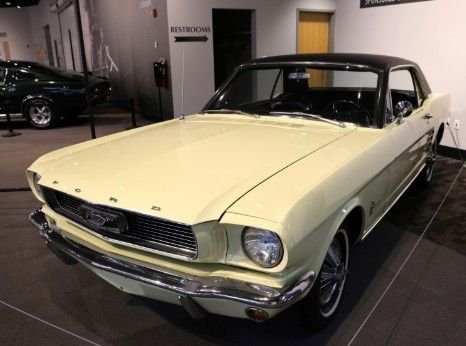
Few automobiles in history have captured the American imagination quite like the Ford Mustang. From its debut in 1964 to the roaring muscle car era of the late 1960s and early 1970s, the Mustang became more than a vehicle — it became a cultural symbol. Today, that legacy is experiencing a remarkable revival, driven by passionate enthusiasts, skilled craftsmen, and a growing market of collectors who refuse to let these icons fade into obscurity. Whether you are a lifelong gearhead or a newcomer discovering the romance of classic American iron, the world of restored and reimagined Mustangs offers something genuinely extraordinary.
Why Classic Mustangs Continue to Command Attention
The enduring appeal of the classic Mustang is not simply nostalgia. These cars represent a specific moment in American engineering history when designers and engineers were willing to take bold risks. The long hood, short deck proportions, the aggressive stance, and the thunderous V8 soundtrack created a formula that has never truly been replicated. Modern performance cars are faster, safer, and more technologically sophisticated — but they rarely stir the same visceral emotion that a well-restored 1967 Fastback does when it rolls past you on a summer evening.
Collector values for first-generation Mustangs have climbed steadily over the past decade. Pristine examples of Shelby GT350s and GT500s from the late 1960s regularly command six-figure sums at auction, and even more modest coupes and convertibles have appreciated significantly. This is not merely a speculative bubble — it reflects genuine, sustained demand from buyers who understand that these vehicles represent irreplaceable pieces of automotive history.
The Difference Between Restoration and Reimagination
Within the classic Mustang community, there is an important distinction between traditional restoration and what might be called sympathetic reimagination. A traditional restoration aims to return a vehicle to its original factory specification — correct paint codes, period-accurate interior materials, matching-numbers drivetrain components. This approach appeals to purists and concours competitors who value historical accuracy above all else.
Reimagination, by contrast, takes the classic body and aesthetic as a starting point but incorporates modern mechanical components — fuel-injected engines, updated suspension geometry, power-assisted disc brakes, and contemporary electrical systems. The result is a car that looks authentically vintage but drives with the reliability and confidence of a modern vehicle. For many buyers, this represents the ideal compromise: the soul of the original with the practicality demanded by daily or weekend use.
Revology Cars: Setting the Standard for Classic Mustang Excellence
Revology Cars has established itself as one of the most respected names in the business of building new classic Mustangs — vehicles that carry the authentic styling of the 1960s Mustang but are constructed entirely from new components using modern manufacturing techniques. Rather than restoring old cars, Revology builds fresh examples that deliver the classic experience without the compromises inherent in aging original vehicles. Their approach appeals to buyers who want the look and feel of a golden-era Mustang without worrying about rust, worn components, or the unpredictability that often accompanies decades-old machinery.
Craftsmanship That Honors the Original
What separates truly exceptional classic Mustang builders from the rest is an unwavering commitment to detail. Every panel gap, every stitch of leather, every chrome accent must meet exacting standards. The best builders in this space understand that buyers are not simply purchasing transportation — they are investing in an experience, a statement, and in many cases, a legacy they intend to pass down through generations. This level of care requires skilled artisans who combine old-world craftsmanship with modern precision tooling.
The Global Appetite for American Muscle
The passion for classic American muscle cars is no longer confined to the United States. Markets across Europe, the Middle East, and Asia have developed sophisticated collector communities with genuine appreciation for these vehicles. In cities like Dubai, where automotive culture is deeply embedded in the lifestyle of affluent residents and visitors, the demand for distinctive, high-performance vehicles spans both modern exotics and classic American icons. For those exploring the luxury automotive scene in that region, surprisingly affordable luxury car rental options in Dubai demonstrate just how accessible premium automotive experiences have become for travelers seeking something beyond the ordinary.
This globalization of muscle car culture has had a positive effect on the restoration and reimagination market. International buyers bring fresh perspectives and, importantly, fresh capital that supports the skilled craftsmen and specialty suppliers who keep this ecosystem thriving. A builder in Florida or California may find that a significant portion of their clientele comes from overseas — buyers who have fallen in love with the mythology of American muscle through film, motorsport history, and the simple, undeniable visual drama of a classic Mustang fastback.
What the Future Holds for Classic Mustang Culture
The future of classic Mustang culture looks genuinely bright, even as the broader automotive industry undergoes seismic shifts toward electrification and autonomous technology. If anything, the contrast between modern vehicles and classic muscle cars has never been sharper — and that contrast works in favor of the classics. As new cars become increasingly similar in their digital interfaces and aerodynamic efficiency, the raw mechanical character of a classic Mustang becomes more distinctive, more desirable, and more valuable.
Ford itself continues to invest in the Mustang nameplate, and the ongoing development of high-performance variants keeps the conversation alive. The recent digital renderings and speculation surrounding the 2026 Ford Mustang Shelby GT500 concept have generated enormous enthusiasm across automotive media, demonstrating that the appetite for Mustang performance — in both classic and modern forms — remains as strong as ever.
Investing in a Classic Mustang: What Buyers Should Know
For prospective buyers considering entry into the classic Mustang market, due diligence is essential. Provenance documentation, structural integrity assessments, and drivetrain evaluations should all be part of any serious purchase process. Working with established, reputable builders or restoration specialists dramatically reduces the risk of acquiring a vehicle with hidden problems. The premium paid for a professionally built or restored example is almost always justified by the peace of mind and long-term value retention it provides.
Conclusion: A Legacy Worth Preserving
The classic Ford Mustang occupies a unique position in automotive history — beloved enough to inspire a thriving industry of restoration, reimagination, and new construction, yet still accessible enough that passionate enthusiasts at various budget levels can participate in the culture. Whether you are drawn to the concours-correct restoration, the modernized restomod, or the entirely new-build approach championed by specialists in the field, the common thread is a deep respect for what these cars represent. They are rolling proof that great design, when executed with conviction, transcends its era and continues to inspire long after the assembly line has gone quiet.
