
Close Menu
CEOColumnCEOColumn
    What's Hot

    From a Trucker’s Backseat to the Courtroom: How Chris Keith Built One of the Southeast’s Largest Injury Law Firms

    July 16, 2026

    Private Chef Meal Prep: The Smarter Way to Eat Well Every Week

    July 16, 2026

    Finding Urgent Financial Support Without Compromising on Trust

    July 16, 2026
    Facebook X (Twitter) Instagram
    Facebook X (Twitter) Instagram
    CEOColumnCEOColumn
    Subscribe
    • Home
    • News
    • BLOGS
      1. Health
      2. Lifestyle
      3. Travel
      4. Tips & guide
      5. View All

      Improving Patient Communication in Healthcare Settings

      July 14, 2026

      Specialist Guide to Cosmetic Dentist London Consultations for Nervous Patients

      July 13, 2026

      Antidepressants Explained: What to Know Before Starting, Switching, or Stopping Treatment

      July 13, 2026

      Healthy Weight and Nutrition for Seniors: Avoiding Unintended Weight Loss

      July 13, 2026

      Why Small Wooden Details Change How a Bedroom Feels

      July 10, 2026

      Why You Need More Than a Virtual Try-on for Successful Sales

      July 7, 2026

      How to Choose a Freestanding Bathtub That Actually Suits Your Bathroom

      July 6, 2026

      Casa Fantastic is Raising the Bar for Luxury House Cleaning in Los Angeles

      July 2, 2026

      How to Plan a Fun-Filled Day in Pigeon Forge

      July 9, 2026

      How International Visitors Are Redefining Urban Living in London

      June 24, 2026

      Experts: How Rising Costs Are Changing the Way Families Travel This Summer

      June 23, 2026

      A Different Side of Paris: Holiday Experiences Beyond the Eiffel Tower

      June 12, 2026

      How Australians Pay for Online Games: Safety and Fees Explained

      July 11, 2026

      Understanding the Value of Professional Legal Guidance

      June 18, 2026

      How Attorneys Balance Negotiation and Litigation Strategies

      June 18, 2026

      How To Navigate SEO In a Multi-Platform World

      June 12, 2026

      From a Trucker’s Backseat to the Courtroom: How Chris Keith Built One of the Southeast’s Largest Injury Law Firms

      July 16, 2026

      Not Just Luxury: The Practical Value of a Professional Chauffeur Service in Milan

      July 15, 2026

      Your Essential Guide to Selecting Lab Diamond Wedding Bands

      July 14, 2026

      What Happens When a CEO Finally Gets Help for Addiction

      July 14, 2026
    • BUSINESS
      • OFFLINE BUSINESS
      • ONLINE BUSINESS
    • PROFILES
      • ENTREPRENEUR
      • HIGHEST PAID
      • RICHEST
      • WOMEN ENTREPRENEURS
    CEOColumnCEOColumn
    Home»BLOGS»The Hidden Currency of the Circular Economy: Why Data is the New Sustainable Standard

    The Hidden Currency of the Circular Economy: Why Data is the New Sustainable Standard

    OliviaBy OliviaJanuary 11, 2026Updated:January 11, 2026No Comments5 Mins Read

    The global marketplace is currently undergoing a seismic shift in how it handles waste and resources. For decades, the linear model of “take, make, dispose” dominated industrial production, but the environmental cost has become too high to ignore. As governments worldwide scramble to meet climate targets, the regulatory landscape regarding packaging is tightening at an unprecedented rate. For international businesses, this presents a complex challenge that goes far beyond simple box-ticking. It requires a fundamental rethinking of how supply chains operate, and at the heart of this transformation lies the critical need for robust, granular intelligence.

    Table of Contents

    Toggle
    • The Rising Tide of International Regulation
    • Turning Supply Chain Visibility into Strategy
    • The Role of Technology in Compliance
    • Future-Proofing for a Circular Tomorrow

    The Rising Tide of International Regulation

    We are witnessing the end of the era of voluntary sustainability. What was once a “nice-to-have” section in a corporate social responsibility report is now a matter of strict legal liability. Extended Producer Responsibility (EPR) legislation is rolling out across Europe, Asia, and the Americas, placing the financial and physical burden of waste disposal squarely on the shoulders of the producers. However, the true difficulty lies not just in the existence of these laws but in their variety.

    A multinational corporation selling consumer goods might face a plastic tax in the UK, strict recycling quotas in Germany, and an entirely different set of labelling requirements in France. Navigating this regulatory fragmentation is a logistical minefield. Without a unified approach, companies risk significant non-compliance fines, reputational damage, and disrupted supply chains. This complexity is driving a surge in demand for clarity. Businesses can no longer rely on estimates or averages. They require precise visibility into every gram of material that flows through their operations.

    Turning Supply Chain Visibility into Strategy

    The primary obstacle for many organisations is the sheer opacity of their own supply networks. In a globalised economy, a single product might be manufactured in one country, packaged in another, and sold in a third. Tracking the specific composition of packaging materials across these borders is notoriously difficult. Suppliers often use different reporting standards, and legacy IT systems struggle to communicate with one another.

    This is where the conversation shifts from simple compliance to strategic data management. Leaders in the sector are realising that accurate reporting is impossible without high-quality inputs. It is no longer sufficient to know that you used “plastic.” You must know the polymer type, the percentage of recycled content, the weight, and the recyclability status in the destination market.

    Access to reliable global packaging data allows businesses to transcend reactive compliance. Instead of frantically gathering information right before a deadline, forward-thinking companies are integrating data streams that provide real-time insights. By understanding exactly what materials are entering different markets, procurement teams can make informed decisions that lower costs and reduce environmental impact simultaneously. It transforms a regulatory burden into an opportunity for optimisation.

    The Role of Technology in Compliance

    The manual spreadsheets of the past are woefully inadequate for the volume of information required by modern EPR schemes. The margin for error is simply too slim. Consequently, the industry is seeing a rapid adoption of specialised software solutions designed to automate and standardise this reporting. These platforms serve as a single source of truth, aggregating fragmented information from disparate suppliers into a cohesive format that regulators accept.

    This technological evolution is particularly vital for maintaining consistency. When a business operates in twenty different markets, the definition of “recyclable” can change twenty times. Automated systems that are underpinned by vast regulatory databases can map a product’s packaging against local laws instantly. This capability safeguards companies against the risk of greenwashing accusations. If a brand claims a package is 100 per cent recyclable based on UK standards, but sells it in a market where the infrastructure to recycle that material does not exist, they could face legal action for misleading consumers. Technology bridges this gap between material science and regional infrastructure reality.

    Future-Proofing for a Circular Tomorrow

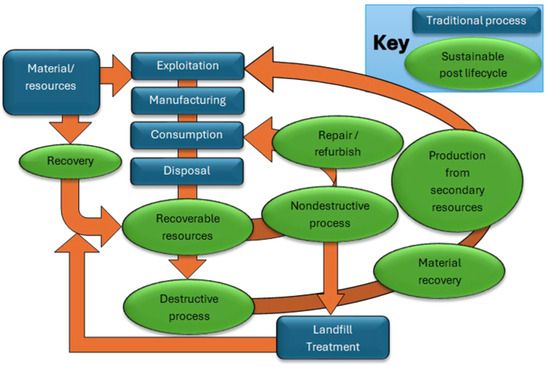
    The trajectory of environmental policy is clear. Regulations will become stricter, taxes on virgin materials will rise, and the demand for transparency will intensify. The ultimate goal is a fully circular economy where waste is designed out of the system entirely. In this future, data will be as valuable as the physical materials themselves.

    organisations that invest early in understanding their material flows will have a significant competitive advantage. They will be able to adapt to new taxes more quickly, redesign packaging with greater agility, and communicate their sustainability credentials with confidence. Conversely, those that delay will find themselves bogged down in administrative chaos, paying higher fees for non-optimised packaging and struggling to meet the basic requirements of market entry.

    The transition to sustainable packaging is not merely a design challenge; it is a data challenge. Success depends on the ability to gather, analyse, and act upon information from every corner of the supply chain. As the regulatory net tightens, the winners will be those who treat their environmental data with the same rigour as their financial accounts.

    Share. Facebook Twitter Pinterest LinkedIn Tumblr Telegram Email
    Previous ArticleIs There an AI Tool That Combines GPT-4, Claude, and Gemini?
    Next Article How Health Science Degrees Create Career Opportunities
    Olivia

    Olivia is a contributing writer at CEOColumn.com, where she explores leadership strategies, business innovation, and entrepreneurial insights shaping today’s corporate world. With a background in business journalism and a passion for executive storytelling, Olivia delivers sharp, thought-provoking content that inspires CEOs, founders, and aspiring leaders alike. When she’s not writing, Olivia enjoys analyzing emerging business trends and mentoring young professionals in the startup ecosystem.

    Related Posts

    From a Trucker’s Backseat to the Courtroom: How Chris Keith Built One of the Southeast’s Largest Injury Law Firms

    July 16, 2026

    Not Just Luxury: The Practical Value of a Professional Chauffeur Service in Milan

    July 15, 2026

    Your Essential Guide to Selecting Lab Diamond Wedding Bands

    July 14, 2026
    Add A Comment
    Leave A Reply Cancel Reply

    You must be logged in to post a comment.

    Latest Posts

    From a Trucker’s Backseat to the Courtroom: How Chris Keith Built One of the Southeast’s Largest Injury Law Firms

    July 16, 2026

    Private Chef Meal Prep: The Smarter Way to Eat Well Every Week

    July 16, 2026

    Finding Urgent Financial Support Without Compromising on Trust

    July 16, 2026

    Not Just Luxury: The Practical Value of a Professional Chauffeur Service in Milan

    July 15, 2026

    AI UGC ads are getting indistinguishable from real ones. brands should own that.

    July 15, 2026

    What West Des Moines Parents Should Look for in a Day Care Program

    July 15, 2026

    How the Right Rotary Tooling Improves Matrix Stripping and Reduces Web Breaks

    July 15, 2026

    How Small Businesses Can Outcompete Big Brands Using Authentic Video Social Proof

    July 14, 2026

    Austin Morelock and Surface Finishing Nanotechnology: The Coatings Redefining Durability and Precision

    July 14, 2026

    OpenMemory Walkthrough: A Local-First Memory Layer That Connects ChatGPT

    July 14, 2026
    Recent Posts
    • From a Trucker’s Backseat to the Courtroom: How Chris Keith Built One of the Southeast’s Largest Injury Law Firms July 16, 2026
    • Private Chef Meal Prep: The Smarter Way to Eat Well Every Week July 16, 2026
    • Finding Urgent Financial Support Without Compromising on Trust July 16, 2026
    • Not Just Luxury: The Practical Value of a Professional Chauffeur Service in Milan July 15, 2026
    • AI UGC ads are getting indistinguishable from real ones. brands should own that. July 15, 2026

    Your source for the serious news. CEO Column - We Talk Money, Business & Entrepreneurship. Visit our main page for more demos.

    We're social. Connect with us:
    |
    Email: [email protected]

    Facebook X (Twitter) Instagram Pinterest LinkedIn WhatsApp
    Top Insights

    From a Trucker’s Backseat to the Courtroom: How Chris Keith Built One of the Southeast’s Largest Injury Law Firms

    July 16, 2026

    Private Chef Meal Prep: The Smarter Way to Eat Well Every Week

    July 16, 2026

    Finding Urgent Financial Support Without Compromising on Trust

    July 16, 2026
    © Copyright 2025, All Rights Reserved
    • Home
    • Pricacy Policy
    • Contact Us

    Type above and press Enter to search. Press Esc to cancel.

    Go to mobile version