

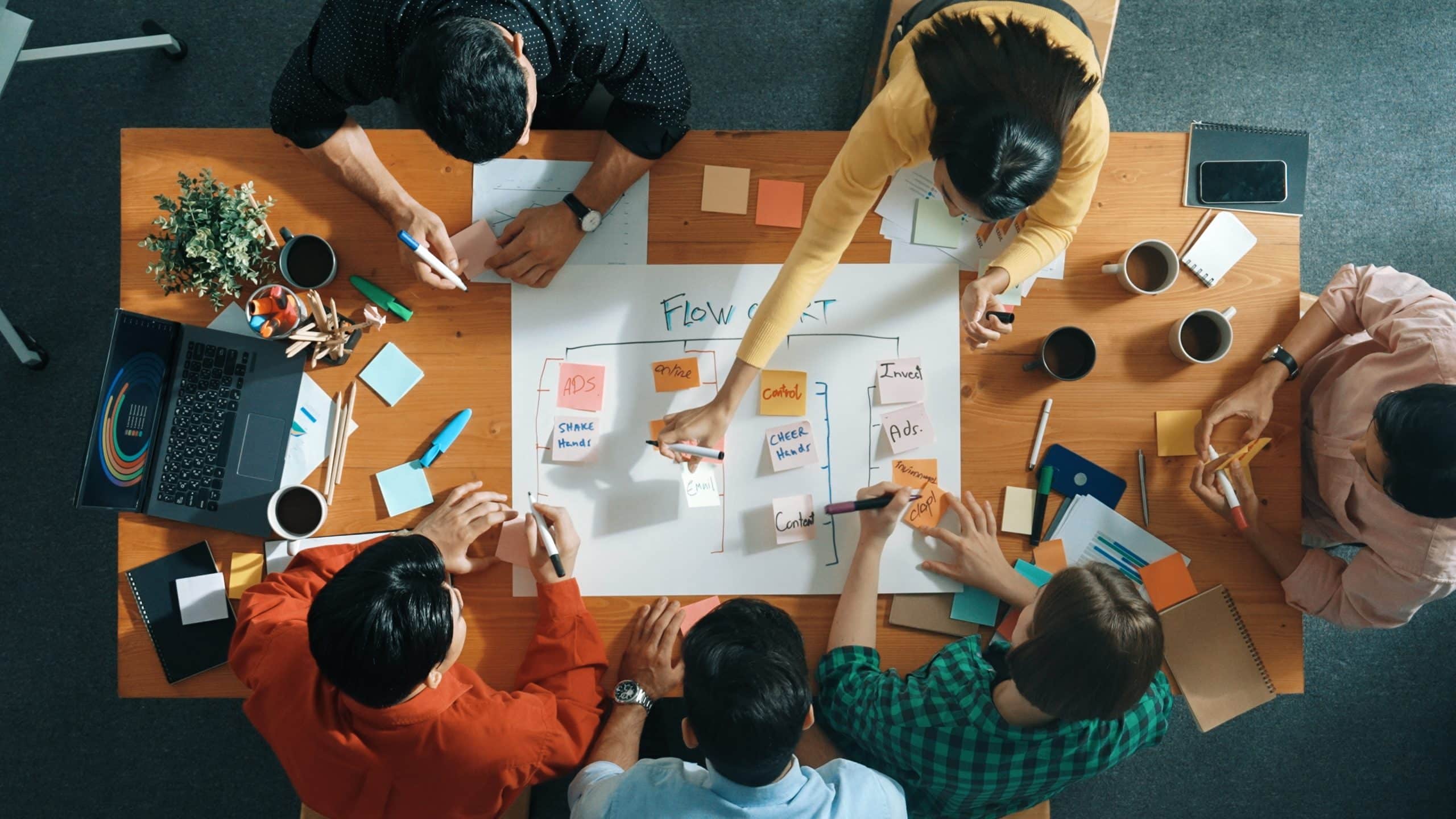
Today’s design environment is more dynamic, competitive, and fast-paced than ever, requiring creatives to do far more than produce visually compelling work. Designers are expected to meet tight deadlines, manage multiple revisions, collaborate across teams, and adapt quickly to changing project demands. In this evolving landscape, having access to the right digital solutions can transform the creative process from one filled with repetitive manual tasks into one driven by inspiration and strategic execution. As the role of the AI designer continues to gain momentum, platforms like Replit’s AI-powered design tools are helping automate routine workflows, giving creatives more freedom to focus on innovation, originality, and bringing bold ideas to life.
Modern designers benefit from utilizing digital resources that drive efficiency at every phase of a project. Online design tools increase productivity by minimizing repetitive tasks, fostering seamless teamwork, and providing access to creative assets from any location. As these digital solutions evolve, they change how creatives collaborate, manage projects, and produce high-quality work faster than ever before.
Automating Repetitive Tasks
One of the most significant advantages of leveraging online tools is their ability to reduce or eliminate repetitive manual work. For instance, AI-based programs can generate design layouts or prototype variations in seconds, dramatically reducing initial project setup or adjustments. According to Forbes, many organizations using AI in design processes are realizing faster project completions and greater creative bandwidth. Rather than spending hours arranging basic elements, designers can focus on refining the finer details and aesthetics of their projects.
Moreover, online automation tools move beyond just graphics creation. Many platforms now incorporate workflow automation for routine approvals, notifications, and file organization, enabling design teams to stay on top of deadlines without constant manual oversight. These integrations create smoother handoffs between team members and departments, eliminating frequent bottlenecks caused by manual data entry or repetitive feedback calls. Integrated automation further helps teams maintain consistency across deliverables by embedding standardized processes into the tool itself, making it easier to uphold project guidelines and branding requirements.
Enhancing Collaboration
Effective communication and collaboration are central to thriving design teams, especially when team members work remotely. Online collaboration platforms such as Figma have revolutionized design teamwork by enabling multiple stakeholders to edit and comment on the same project file in real time. This approach reduces friction, minimizes miscommunication, and accelerates the feedback loop. As design cycles shorten, the ability to iterate and share live progress is essential to maintaining momentum.
Collaboration is not just about communication; it’s about creating an environment where everyone feels empowered to contribute ideas. Advanced design platforms offer shared dashboards and live editing capabilities, so creatives and stakeholders can brainstorm effectively, identify issues earlier, and converge rapidly on the best solutions. These online environments foster a culture of open feedback, where designers can experiment and adapt swiftly to new requirements or client expectations. Additionally, integration with communication tools such as Slack or Microsoft Teams allows for instant updates and ensures critical discussions never get lost in email threads.
Utilizing Cloud-Based Storage
The flexibility to work from anywhere has never been more valuable. Cloud storage platforms such as Google Drive and Dropbox grant designers the peace of mind that their latest files are accessible no matter where they or their teammates are located. By centralizing important documents and designs, cloud storage eliminates confusion over which version is current and speeds up the creative process for both in-house and remote collaborators.
Cloud-based solutions also offer critical security features like automatic backups, encrypted file transfer, and controlled access permissions. These measures protect intellectual property while giving team leads precise control over which collaborators can view, edit, or share assets. Over time, cloud systems also accumulate a rich archive of previous work, allowing teams to reference past solutions for new projects or draw inspiration from their shared creative history. Combined with robust search features, retrieving specific assets or templates becomes instant and intuitive, enhancing productivity across large or distributed design teams.
Leveraging AI-Powered Tools
The integration of artificial intelligence into the creative process is redefining traditional workflows. AI-powered solutions like Adobe’s Firefly and Canva’s AI toolsets can analyze project requirements, automate asset creation, and even suggest color palettes or layouts. These advanced solutions act as digital creative directors, interpreting high-level guidance and executing the technical details. This evolution not only increases individual productivity but also elevates the quality and scope of possibilities for design teams.
Implementing Project Management Tools
Managing a design project requires careful coordination between tasks, resources, and timelines. Project management platforms such as Trello and Asana help structure these elements into customizable boards or lists, providing both a high-level overview and granular detail of a project. These tools facilitate deadline tracking, task assignment, and communication, ensuring that creative teams stay aligned and projects move steadily towards completion.
Adopting Version Control Systems
Design projects are rarely linear, with files and assets constantly evolving. Version control systems like Git enable designers to efficiently track changes, revert to previous versions, and synchronize updates across teams. Particularly when designers collaborate closely with developers, version control provides a shared foundation for managing assets and maintaining an organized workflow.
Exploring Design Systems
Consistency is critical to successful brand identity and user experience, making design systems an invaluable asset for teams. A design system serves as a comprehensive library of standards, principles, and reusable components that support efficient project scalability and collaboration. By providing shared visual guidelines, teams can avoid redundant decision-making and ensure their work achieves a cohesive, polished outcome across platforms.
Conclusion
Online tools are transforming how designers work, collaborate, and innovate. By adopting digital solutions, ranging from AI automation to cloud storage, version control, and comprehensive project management, creative professionals can unlock new levels of productivity and efficiency. Modern tools empower designers to focus less on busywork and more on delivering exceptional creative results, enabling them to thrive in a competitive, rapidly changing industry.
As digital platforms continue to evolve, the opportunities for designers expand far beyond traditional frameworks. These tools cultivate an agile mindset among creative professionals, driving ongoing learning, experimentation, and adaptation. By continuously integrating new technologies, design teams can uncover innovative strategies, strengthen team cohesion, and set the standard for excellence in the digital age. Geographical or technical barriers no longer limit the creative journey; instead, they are shaped and accelerated by the smart use of online tools that bring visions to life faster and more effectively than ever before. Whether working solo or in cross-functional teams, today’s designers are better equipped than ever to meet the ever-expanding challenges of their field.
