

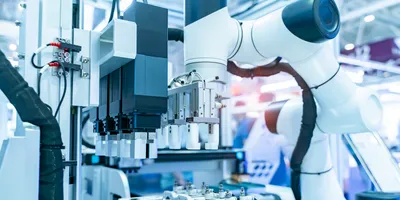
Lab automation has quietly become one of the most influential shifts in how modern laboratories operate, turning repetitive manual work into precise, repeatable processes that run around the clock. From clinical diagnostics to pharmaceutical research, food safety testing to biotech innovation, automated systems are now central to how labs handle rising sample volumes without sacrificing accuracy. For businesses sourcing the right equipment, understanding what lab automation delivers, where it fits, and how to evaluate it makes the difference between a smart investment and an expensive mismatch.
What Lab Automation Means for Modern Laboratories
At its core, lab automation refers to the use of robotic instruments, integrated software, and workflow management systems to perform tasks that were once handled by human technicians. This includes pipetting, sample preparation, plate handling, incubation, measurement, and data capture. Rather than replacing scientists, laboratory automation frees skilled personnel from repetitive work so they can focus on interpretation, experimental design, and decision making. The result is higher throughput, tighter reproducibility, and fewer opportunities for human error.
The global market reflects how rapidly this shift is happening. According to Fortune Business Insights, the laboratory automation market was valued at roughly 9.2 billion US dollars in 2025 and is projected to reach 20.71 billion by 2034. Grand View Research places North America’s share of the lab automation market at more than 36 per cent of global revenue, driven by a strong clinical diagnostics and pharmaceutical base. These numbers tell a clear story. Lab automation is no longer a premium capability reserved for large pharmaceutical firms. It is becoming standard infrastructure for any laboratory serious about efficiency and reliability.
The Core Technologies Driving Lab Automation Today
Understanding what sits behind modern lab automation helps buyers evaluate equipment with confidence. The category is broad, but most systems fall into a few distinct technology groups that work together to form complete automated laboratory workflows.
Robotics and Automated Workstations
Laboratory robotics form the mechanical backbone of most lab automation setups. Automated liquid handlers, robotic arms, and plate movers carry out thousands of precise pipetting steps per hour with accuracy measured in microlitres. Workstations combine these mechanical elements with sample storage, heating, and sealing in a single benchtop footprint, giving smaller labs access to capabilities that were once limited to industrial facilities.
AI and Data Integration
Modern lab automation is not just about mechanical movement. Artificial intelligence and machine learning now play a major role in optimising run scheduling, flagging anomalies, and predicting maintenance needs before instruments fail. Laboratory information management systems tie it all together, giving lab leaders a single source of truth for sample tracking, quality control, and compliance reporting. This digital layer transforms lab automation technology from a collection of machines into a connected ecosystem that adapts to the way each facility works.
Modular Versus Total Automation Systems
Buyers typically face a choice between modular and total automation approaches. Modular lab automation handles specific tasks such as liquid handling, centrifugation, or thermal cycling, and can be added incrementally as needs grow. Total automation systems, by contrast, link pre-analytical, analytical, and post-analytical stages into one continuous workflow. Grand View Research notes that modular automation held the largest share of the lab automation market in 2024, thanks to its flexibility for mid-sized laboratories that need to scale gradually rather than replace their entire setup at once.
Industries Benefiting Most From Lab Automation
Although the technology looks similar across sectors, the reasons for adopting lab automation vary widely depending on industry pressures, sample types, and regulatory demands.
Clinical Diagnostics and Healthcare Labs
Clinical chemistry analysis is the single largest end-use segment for lab automation, representing over 27 per cent of the global market in 2024 according to Grand View Research. Hospital and reference laboratories use automated analysers to process blood, urine, and tissue samples at volumes that would be impossible to handle manually. Rapid turnaround times directly improve patient care, and lab automation is now seen as essential rather than optional in high-volume diagnostic environments.
Pharmaceutical and Biotech Research
Drug discovery relies heavily on high-throughput screening, where hundreds of thousands of compounds must be tested against biological targets. Lab automation solutions make this possible by running screens continuously with minimal supervision. Biotech firms also use automated laboratory systems for cell culture, genomic sequencing preparation, and assay development, all of which benefit from the consistency that laboratory robotics provide across long experimental campaigns.
Food, Beverage, and Environmental Testing
Food safety laboratories, environmental monitoring facilities, and quality control operations within manufacturing use lab automation to keep pace with testing mandates. Automated sample preparation and analysis help confirm product safety, detect contaminants, and meet regulatory requirements faster than manual methods allow. For food processors and beverage producers already running automated production lines, adding laboratory automation to quality assurance workflows is a natural extension of existing operational thinking.
Key Considerations When Investing in Lab Automation Equipment
Choosing the right lab automation equipment comes down to matching capability with actual workflow demands. Laboratories that overbuy risk underutilised assets, while those that underbuy face bottlenecks within months. Sample throughput, assay complexity, available footprint, and integration with existing informatics systems should all be mapped out before any purchase decision is finalised.
Budget also shapes decisions significantly. New lab automation systems from tier-one manufacturers carry substantial price tags, which is why the used and refurbished market has grown meaningfully in recent years. Quality pre-owned automated workstations and robotic liquid handlers often deliver the same performance as new equipment at a fraction of the cost, provided they are sourced through verified sellers with clear service histories. For many laboratories, blending new and used lab automation technology offers the best balance between capability and capital efficiency.
Training and support are equally important. Even the most advanced lab automation platform delivers limited value if staff cannot operate, maintain, or troubleshoot it confidently. Buyers should weigh the availability of technical documentation, spare parts, and service contracts as seriously as the instrument specifications themselves.
The Future Outlook of Lab Automation
Looking ahead, the trajectory of lab automation points toward deeper integration between hardware, software, and analytics. Autonomous labs, where experiments design themselves based on incoming data, are already moving from concept to early deployment. Cloud-connected lab automation platforms allow remote monitoring of distributed sites, a capability that became especially valuable during recent global health events. Modular, scalable systems will likely continue dominating new purchases, giving laboratories room to grow without replacing foundational equipment.
For any business involved in research, diagnostics, production, or quality control, lab automation is moving from a competitive advantage to a baseline expectation. The laboratories that thrive over the next decade will be the ones that treat automation not as a single purchase, but as an evolving capability built piece by piece with the right mix of new and used equipment, skilled people, and thoughtful workflow design.
