

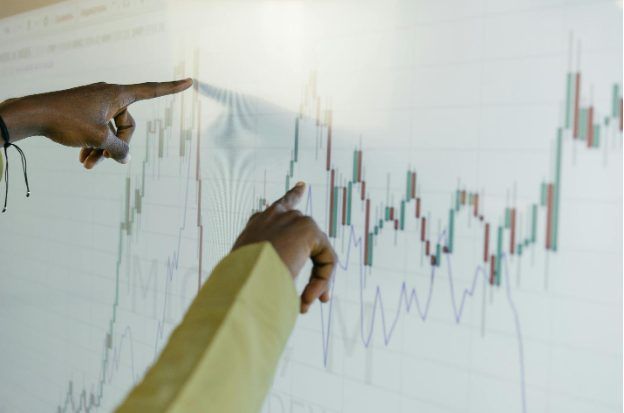
Most managers have been in meetings where the conversation sounded optimistic right up until someone pulled up the actual numbers. Revenue looked fine, traffic seemed steady, reports were polished, but results still felt off somehow. Companies deal with this more than they admit publicly.
Businesses collect endless streams of information now, from customer habits and employee output to online engagement and operations data. Getting access to information is no longer the difficult part. The harder part is understanding which details actually matter and using them to make decisions that hold up outside spreadsheets and presentations.
Why Businesses Need People Who Understand Both Systems and Strategy
A lot of companies spent years separating technical work from business planning. Analysts handled reports while executives focused on growth plans, budgets, and long-term direction. That setup worked for a while, at least enough to keep operations moving. But business decisions have become more tied to real-time information, and those lines do not stay clean anymore.
Companies now need people who understand how information systems work while also seeing the bigger business picture behind the numbers. It is not enough to pull reports or build dashboards if nobody understands what those patterns mean for hiring, operations, customer retention, or long-term costs. Businesses move faster now, and mistakes become expensive pretty quickly.
That shift explains why more professionals are moving toward programs like the University of South Carolina’s online master in informatics, which combine technical analysis with management training. Many working adults already understand one side of the equation but want stronger knowledge in the other. The university offers flexible online graduate business programs focused on informatics, analytics, and technology management. Its programs are designed to help professionals strengthen decision-making, data interpretation, and leadership skills while preparing for business environments increasingly shaped by digital systems and operational analysis.
Such programs have become the number one option for professionals trying to bridge the gap, especially in industries where decisions are increasingly shaped by data systems, automation, and operational analysis rather than instinct alone.
Businesses Are Drowning in Information but Still Missing Things
Companies collect more information now than they know how to handle half the time. Reports pile up, dashboards keep updating, notifications never stop, and teams still miss obvious problems sitting right in front of them. A business can monitor dozens of metrics and still fail to notice customers slowly checking out. Data without context turns messy pretty fast. Numbers might point to declining engagement, but the real issue could be pricing, weak customer service, confusing websites, or shifting habits people barely talk about directly.
Analytics only becomes useful when businesses pair it with actual strategic thinking. Otherwise, teams just stare at spreadsheets, hoping answers magically appear. A better strategy helps companies ask smarter questions before problems become expensive.
Consumer Behavior Changes Faster Than Many Companies Expect
Customer behavior changes more quickly than a lot of companies expect. People compare prices constantly now, switch platforms without thinking much about loyalty, and lose patience after one bad experience online. Someone who ignores emails for months might suddenly respond to a short video or text message instead. Businesses track this stuff closely because small behavior shifts can turn into revenue problems pretty fast.
Analytics helps companies notice patterns early, but strategy decides how they respond. The businesses adjusting fastest usually combine customer data with long-term planning instead of relying fully on executive instinct. Investors expect clearer forecasting now, customers expect smoother experiences, and employees expect systems that actually work. Guesswork does not carry companies very far anymore.
Strategy Without Analytics Starts Feeling Incomplete
A lot of business leaders still trust instinct first, which makes sense because experience does matter. Problems start when companies keep following old habits even after the numbers clearly suggest something is off. Analytics forces businesses to confront uncomfortable realities sometimes. Campaigns that people felt confident about may perform badly once customer reactions are measured properly. Processes defended for years can turn out to waste of time and money.
But data alone is not enough either. Some teams get obsessed with clicks, traffic, and engagement while losing sight of actual business goals. The companies that usually perform best combine both approaches. They use data to guide decisions while still applying judgment, timing, and real-world business awareness along the way.
Analytical Skills Are Becoming Part of Everyday Business Roles
A lot of jobs that once focused mostly on supervision or operations now involve constant interaction with data. Managers check dashboards before meetings. Marketing teams study customer behavior almost daily. Human resource departments track retention patterns, hiring trends, and productivity numbers more closely than they did a few years ago. Even smaller businesses now use reporting systems and software tools that used to belong mostly to large corporations with bigger budgets.
Because of this, employees who understand both business operations and analytical systems tend to stand out faster inside organizations. They can speak with technical teams without getting completely lost in jargon, but they also understand how decisions affect budgets, timelines, customers, and staff. That balance matters more than companies sometimes realize. Businesses do not just need people who can read numbers. They need people who can explain what those numbers actually mean in practical situations.
Why Businesses Are Prioritizing Data-Driven Decision Making
There is also a financial reason companies value these skills more now. Businesses spend huge amounts of money on software platforms, automation systems, reporting tools, and customer tracking technology. Leadership expects those systems to improve decisions, not simply create more charts for meetings; everybody quietly wants to leave early. Companies want clearer forecasting, fewer operational mistakes, and better long-term planning.
The demand for professionals who can connect analytics with strategy will probably continue growing because business operations are becoming more dependent on digital systems every year. Artificial intelligence, predictive tools, and automation already influence how companies hire, market products, manage inventory, and respond to customers. Some organizations adapt fairly smoothly, while others struggle because their internal culture moves more slowly than the technology they invested in. Still, businesses usually perform better when decisions are supported by evidence instead of assumptions alone.
