

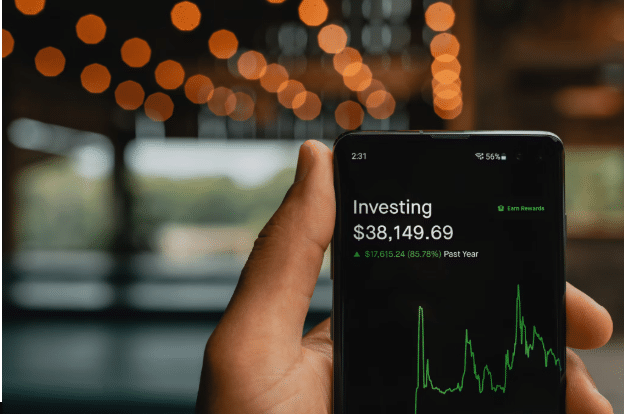
A values-based investment plan can support financial goals while reflecting the interests, communities, and ideas that matter to you. Traditional assets still have a place, but they’re no longer the only practical options available. Collectibles, personalized items, and other alternative assets can add variety to a portfolio when buyers understand the costs and risks.
The key is to separate emotional appeal from investment merit. A meaningful asset may deserve a place in your life even if it never produces a profit, but an investment requires evidence of demand, careful recordkeeping and a realistic exit plan.
Beyond Stocks and Bonds
Stocks and bonds provide liquidity, transparent pricing, and access to businesses and governments across the world. Alternative assets operate differently. Their markets may be smaller, sales can take longer, and values often depend on condition, scarcity, and buyer sentiment.
Those differences can make alternatives useful as a limited part of a wider strategy. The case for collectibles often rests on their low correlation with public markets and their potential to hold value when demand comes from dedicated communities. However, low correlation doesn’t guarantee stability. Prices may be hard to verify when transactions are private or infrequent.
Start by setting a maximum allocation. Someone with $50,000 in investable assets might reserve 5%, or $2,500, for collectibles and other specialized purchases. That boundary prevents enthusiasm for one category from disrupting retirement savings, emergency reserves, or other core financial priorities.
It also helps to examine how an alternative asset fits alongside your existing holdings. Investors already taking a thematic approach can read more about sector-based investing and consider whether their public and private assets carry similar economic risks. A portfolio filled with technology shares and technology memorabilia, for example, may be less diversified than it first appears.
The Value of Collectibles
Collectibles derive value from rarity, condition, provenance, and cultural relevance. Items from the same year can command different prices depending on their history, production numbers, and associations.
Before buying, check completed sales rather than asking prices. Compare similar items in condition and documentation, and research reputable grading services where relevant.
Personalised vehicle registrations combine scarcity with personal meaning. Buyers may seek initials, names or memorable combinations. Marketplaces such as personalised plates allow users to search and list registrations. Before investing, check transfer rules, fees and actual demand.
Proper storage and documentation also protect value. Keep invoices, photographs, certificates and serial numbers in two secure locations. Guidance on collectible ownership risks highlights the importance of authentication, insurance, and estate planning. Good records can support future sales and help family members identify your assets.
Investing in Personal Passions
Personal knowledge can give you an advantage in a niche market. A longtime design enthusiast may recognize an early production feature that a casual buyer misses, while a dedicated sports follower may understand why one season or player has lasting cultural significance.
Interest alone isn’t enough. Treat each prospective purchase as if you’ll need to explain its value to a skeptical buyer five years from now. Write down the purchase price, transaction fees, expected holding period, and evidence supporting your valuation. Include a short note about who might buy the item later and where that sale could take place.
Use three questions to test a passion-led investment:
- Would you still want the item if its market value fell by 30%?
- Can you verify authenticity and legal ownership before paying?
- Is there an active resale market with recent completed transactions?
A “no” answer doesn’t automatically rule out the purchase. It may show that the item belongs in your personal spending budget instead of your investment portfolio.
You should also calculate carrying costs. A $3,000 collectible that requires $100 per year for secure storage and insurance costs $4,000 after a decade, before selling expenses. If a marketplace then charges 10%, the asset must sell for more than $4,444 just to cover the original purchase, carrying costs, and sale fee. Taxes may raise the break-even point further depending on where you live.
Set separate budgets for enjoyment and investment. This simple distinction allows you to support a creator, preserve an object you care about, or celebrate a personal milestone without forcing every purchase to meet a financial target.
Unique Assets and Their Market
An asset’s price only becomes meaningful when another person is prepared to pay it. Thinly traded categories present a particular challenge because a single high-profile sale can create unrealistic expectations. One exceptional result may reflect two determined bidders, rare provenance or unusually strong publicity.
Research the market’s sales channels before buying. Auction houses may reach specialist buyers but charge seller commissions. Online marketplaces can offer wider access, though sellers may need to handle photography, descriptions, shipping and disputes. Private sales provide discretion but make price discovery and identity checks more difficult.
Fractional ownership has also opened some high-cost categories to smaller investors. Platforms may divide an item into shares and arrange storage, insurance and eventual sale. A guide to collectible investing platforms can help explain how this model works, but every provider has its own fee structure and exit process. Read the ownership terms carefully. Find out who holds legal title, how valuations are calculated, and what happens if the operator closes.
Authenticity deserves equal attention. Ask for original receipts, certificates, and a clear ownership history. Independent specialists can inspect higher-value items, though their fees need to be included in your expected return. For memorabilia, buyer interest may depend heavily on documented origin. Reviews of memorabilia investment categories show how factors such as historical importance, signatures, and rarity influence demand.
Plan the exit before the purchase. Identify at least two possible sales channels and estimate how long a typical transaction takes. An asset that needs six months to sell shouldn’t hold money you may need for a near-term expense.
Future Trends in Alternative Assets
Technology is changing how specialised assets are authenticated, valued and traded. Digital certificates can strengthen ownership records, while image analysis helps experts assess condition and detect alterations. However, buyers should still verify the issuing organisation and assessment.
Online marketplaces connect buyers across regions, potentially improving price discovery for niche assets. International purchases also involve shipping, customs and currency risks, so calculate the full cost before buying.
Consumer preferences influence demand. Collectibles linked to cultural events may gain temporary attention, while established categories often benefit from dedicated communities. Look for consistent sales, active collectors and credible market data rather than short-lived trends.
Environmental concerns may also increase interest in restored, reused and historically significant items. Transparent sourcing and reliable documentation remain essential.
Treat alternative assets as long-term purchases, not guaranteed investments. Set a budget, retain ownership records and review valuations periodically. Choose items you would still value if their market prices declined.
