

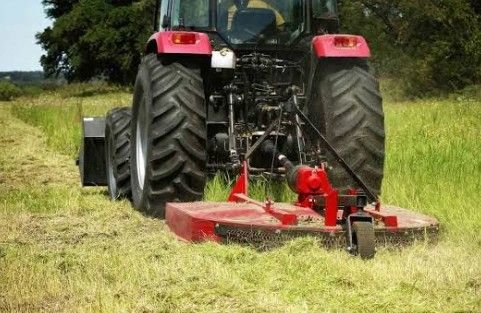
Bush hogs have become indispensable tools for landowners, farmers, and property managers who need to maintain large areas of overgrown vegetation. These rotary cutters excel at clearing brush, tall grass, and light woody growth that standard mowing equipment cannot handle. While new bush hog equipment represents a significant capital investment, the used equipment market offers viable alternatives for operations seeking reliable performance at reduced costs. Understanding the factors that influence equipment selection helps buyers make informed decisions that align with their operational requirements and budget constraints.
Understanding Bush Hog Capabilities and Applications
Bush hogs operate through a horizontal rotating blade system mounted beneath a reinforced deck, designed to withstand impact from rocks, stumps, and debris commonly found in overgrown areas. The robust construction distinguishes these implements from finish mowers, which are intended for manicured lawns and cannot tolerate rough terrain or heavy vegetation. Property owners utilize bush hogs for pasture maintenance, right-of-way clearing, wildlife habitat management, and reclaiming neglected land. The cutting width varies considerably across models, ranging from compact units suitable for small tractors to commercial-grade implements spanning twelve feet or more.
When searching for equipment that matches specific land management needs, buyers should evaluate several critical specifications. Horsepower requirements determine compatibility with existing tractor equipment, while cutting width influences productivity rates. For those managing extensive acreage or operating commercial land clearing services, exploring options for used bush hogs for sale provides access to quality implements that deliver professional results without the premium price associated with new machinery. The secondary market offers diverse options across brands, cutting widths, and feature sets.
Evaluating Structural Integrity and Component Condition
The harsh operating environment that bush hogs endure makes thorough inspection essential when considering pre-owned equipment. The deck housing represents the primary structural component, and buyers should examine it carefully for cracks, excessive wear, or repairs that might compromise performance. Welds along stress points deserve particular attention, as poor repair work or metal fatigue can lead to catastrophic failure during operation. The gearbox constitutes another critical system requiring assessment. This component transmits power from the tractor’s power take-off shaft to the cutting blades, and any signs of leakage, unusual noise, or bearing wear indicate potential expensive repairs.
Blade Assembly and Safety Features
The blade assembly typically consists of multiple free-swinging blades that pivot upon impact with solid objects, preventing damage to the implement and tractor. Examining blade condition, mounting hardware, and the blade pan provides insight into maintenance history and remaining service life. Safety features including blade retention systems, deflector chains, and discharge shields should be present and functional. These components protect operators and bystanders from projectiles ejected during cutting operations. Missing or damaged safety equipment represents both a liability concern and an indication of inadequate maintenance practices.
The Role of Quality Manufacturing in Equipment Longevity
Manufacturing quality significantly influences the operational lifespan and reliability of agricultural implements. Premium equipment incorporates heavier gauge steel, superior bearing assemblies, and more robust gearbox designs that withstand demanding applications. The foundational components that support agricultural operations often rely on precision-engineered parts. Understanding what makes agricultural casting products important for reliable farm operations illuminates how material quality and manufacturing processes contribute to equipment durability. Well-maintained implements from reputable manufacturers often provide decades of service, making them attractive options in the used equipment market.
Matching Equipment Specifications to Operational Requirements
Proper equipment sizing prevents both underperformance and unnecessary expense. Tractor horsepower must align with bush hog specifications to ensure safe operation and adequate cutting performance. Undersized tractors struggle to maintain proper blade speed, resulting in poor cutting quality and potential equipment damage. Conversely, pairing modest bush hog equipment with oversized tractors represents inefficient resource allocation. Three-point hitch category compatibility ensures proper mounting and load distribution. Category I hitches suit compact tractors and smaller implements, while Category II and III hitches accommodate progressively larger equipment and heavier loads.
Maintenance History and Documentation
Service records provide valuable insight into equipment care and potential issues. Documented maintenance including gearbox oil changes, blade replacements, and bearing services indicates responsible ownership. Original purchase documentation, operator manuals, and parts diagrams add value and facilitate future maintenance. Buyers should inquire about operating hours when available, though this information is less commonly tracked for pull-behind implements compared to self-propelled equipment. Understanding proper maintenance intervals and operational guidelines helps establish realistic expectations for equipment condition based on age and use patterns.
HR AgriPower: Supporting Agricultural Equipment Needs
HR AgriPower has established itself as a trusted resource for agricultural equipment across diverse farming and land management applications. The company maintains an extensive inventory spanning various equipment categories, providing customers access to implements that support productive operations. Their commitment to quality assessment and customer service helps buyers navigate equipment decisions with confidence. By offering detailed equipment specifications and transparent condition reporting, they facilitate informed purchasing decisions that align with operational requirements and budget parameters.
Making the Investment Decision
Acquiring used bush hog equipment requires balancing cost considerations against condition, capability, and expected service life. Equipment showing moderate wear but sound structural integrity often provides excellent value, particularly for seasonal use or supplemental capacity. Buyers should establish maximum budget parameters that include potential refurbishment costs for wear items such as blades, bearings, and belts. Comparing multiple options within the used market reveals pricing trends and helps identify equipment offering superior value propositions.
The decision to invest in pre-owned implements versus new equipment depends on operational intensity, available capital, and risk tolerance. High-utilization commercial operations may justify new equipment warranties and latest design features, while hobby farms and occasional users often find used equipment meets their needs admirably. Regardless of the chosen path, thorough evaluation, proper sizing, and realistic maintenance expectations contribute to successful equipment acquisition that supports productive land management for years to come.
