

In recent years, home maintenance has shifted from being a basic necessity to becoming an important part of lifestyle planning. Homeowners are no longer choosing tools and systems only for functionality—they are also considering convenience, time savings, and long-term value. This change is especially visible in outdoor maintenance, where premium products are redefining how people care for their living spaces.
Swimming pools, in particular, require consistent upkeep to remain clean, safe, and visually appealing. Traditionally, this meant regular manual effort and time-consuming routines. However, modern solutions are changing that expectation by offering automation and smarter performance.
As a result, products like swimming pool cleaners are now seen not just as tools, but as long-term lifestyle investments that support comfort and efficiency.
The Shift From Basic Tools to Smart Home Investments
Homeowners today are thinking beyond short-term solutions. Instead of buying simple, manual tools that require effort every time, they are increasingly investing in smart systems that deliver ongoing value. This shift is driven by changing lifestyles where time is more valuable than ever.
Premium home maintenance products are designed to reduce effort while improving performance. They often include automation, intelligent navigation, and energy-efficient operation, making them more reliable in the long run. This is especially important for outdoor maintenance tasks like pool cleaning, where consistency plays a key role.
Modern buyers are also influenced by the idea of long-term savings. Even if premium products require higher initial investment, they reduce maintenance costs and manual labor over time, making them more cost-effective in the long run.
Why Homeowners Are Prioritizing Premium Maintenance Solutions
Convenience Has Become a Core Requirement
Homeowners are increasingly prioritizing convenience in their daily lives. Premium maintenance products help eliminate repetitive manual tasks, allowing users to focus on leisure and family activities instead of upkeep.
Improved Performance and Reliability
Unlike basic tools, premium solutions are designed for consistent performance. They are built to handle larger workloads and maintain stable results even under frequent use conditions.
Long-Term Value Over Short-Term Cost
Many homeowners now evaluate products based on long-term value rather than initial price. A higher-quality system that lasts longer and requires less maintenance is often preferred over cheaper alternatives.
How Technology Is Changing Pool Maintenance Expectations
Automation Is Becoming the New Standard
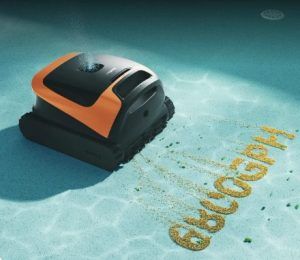
Automation is no longer a luxury feature—it is becoming a standard expectation. Pool cleaning systems now operate independently, reducing the need for manual intervention and improving consistency.
Smart Navigation Improves Cleaning Efficiency
Modern pool maintenance devices use intelligent navigation to map pool areas and optimize cleaning paths. This ensures more thorough coverage and reduces missed spots.
Reduced Dependence on Manual Labor
With automated systems in place, homeowners no longer need to spend hours manually cleaning their pools. This shift significantly reduces physical effort and improves overall efficiency.
Comparing Traditional vs Premium Pool Maintenance Approaches
| Feature | Traditional Cleaning Tools | Premium Smart Systems |
| Effort Required | High | Low |
| Cleaning Consistency | Moderate | High |
| Time Investment | Significant | Minimal |
| Technology Integration | None | Advanced |
| Long-Term Cost Efficiency | Low | High |
This comparison highlights why more homeowners are transitioning toward premium solutions that offer better performance and long-term convenience.
The Role of Robotic Systems in Modern Pool Care
Robotic systems are playing a major role in redefining how pools are maintained. These devices are designed to handle cleaning tasks autonomously, ensuring consistent results with minimal user involvement.
Consistent Cleaning Performance
Robotic systems follow structured cleaning patterns that ensure full coverage of the pool surface, reducing the chances of missed areas or uneven cleaning.
Time-Saving Operation
Once activated, robotic cleaners operate independently, freeing homeowners from manual supervision and reducing the time spent on maintenance tasks.
How Premium Products Enhance Lifestyle Quality
Better Use of Personal Time
By reducing maintenance workload, premium home products allow homeowners to spend more time on activities they enjoy, such as relaxation, family time, or travel.
Improved Home Experience
A clean and well-maintained home environment contributes to overall comfort and satisfaction. This is especially true for outdoor spaces like pools, where cleanliness directly affects usability.
Using swimming pool robot ensures consistent cleaning performance, helping maintain clear water conditions and reducing manual effort significantly.
Why the Sora 30 Reflects the Future of Pool Maintenance
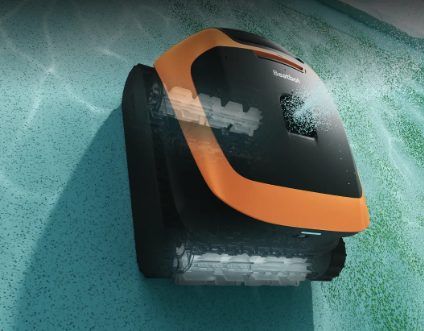
The Beatbot Sora 30 represents a new generation of smart pool cleaning systems designed for modern households. It combines automation, efficiency, and intelligent navigation to deliver consistent cleaning performance across different pool conditions.
Its ability to reduce manual intervention while maintaining reliable results makes it a strong example of how premium maintenance tools are evolving into lifestyle investments. Instead of being seen as simple cleaning devices, these systems are now part of a broader shift toward smarter and more convenient living.
The Growing Value of Smart Home Ecosystems
Premium maintenance products are increasingly being integrated into larger smart home ecosystems. This allows homeowners to manage multiple systems from a single platform, improving convenience and control.
As technology continues to evolve, pool maintenance will become even more automated, with systems capable of adapting to environmental conditions, usage patterns, and user preferences. This level of intelligence will further increase the value of premium home maintenance solutions.
The growing demand for such systems reflects a broader trend: homeowners are no longer just maintaining their homes—they are investing in smarter, more efficient living environments.
